Guide to Conditioning Flowers for a Longer Vase Life

Conditioning flowers properly is essential to extending their freshness and vibrancy in a vase. Here are key steps to ensure your blooms last as long as possible:
1. Prepare Your Tools
Clean Vase: Ensure your vase is thoroughly washed with hot, soapy water to eliminate bacteria.
Sharp Knife or Scissors: Use a sharp instrument to make cuts, which will prevent crushing the stems.
2. Select Fresh Flowers
Choose flowers that are at the right stage of bloom. Look for buds that are just beginning to open, as they will continue to blossom in the vase.
3. Trim the Stems
Angle of Cut: Cut stems at a 45-degree angle to increase the surface area for water absorption.
Length of Cut: Remove at least 1-2 inches from the bottom of each stem.
4. Remove Leaves
Strip away any leaves that will be submerged in water. This helps prevent bacterial growth, which can shorten the flowers' lifespan.
5. Choose the Right Water
Temperature: Use lukewarm water, as it is more readily absorbed than cold water.
Additives: Consider adding flower food, which provides essential nutrients and improves water quality.
6. Hydrate the Flowers
Allow the flowers to hydrate in the water for several hours. Ideally, place them in a cool, shaded area to minimise stress.
7. Change Water Regularly
Refresh the water every two days to prevent stagnation and bacteria build-up. When doing so, re-trim the stems slightly to ensure continued water absorption.
8. Keep Flowers Cool
Display the flowers in a cool area away from direct sunlight, heat sources, or fruit. Ethylene gas released by ripening fruit can hasten wilting.
9. Monitor and Maintain
Keep an eye on the flowers daily. Remove any wilting petals or leaves as they occur to improve the overall appearance and health of the bouquet.
SG Florist Advice
By following these conditioning steps, you can significantly extend the life of your flowers, allowing you to enjoy their beauty for a longer period. Conditioning is an investment in the longevity of your floral arrangements, ensuring they remain a delightful part of your decor.

A Guide to the Vase Life of Different Focal Flowers

When arranging a bouquet, the choice of focal flowers significantly impacts its longevity. Here is a Bloom and Song guide to the vase life of some commonly used focal flowers in floral arrangements:
1. Roses
Vase Life: 5 to 7 days
Care Tips: Remove excess leaves, cut stems at an angle, and change water every two days to prolong freshness.
2. Lilies
Vase Life: 7 to 10 days
Care Tips: Remove anthers to prevent pollen staining and avoid ethylene gas by keeping them away from ripe fruits.
3. Peonies
Vase Life: 5 to 7 days
Care Tips: Ensure the stems are cut properly and keep them in cool water to maximise their lifespan.
4. Tulips
Vase Life: 7 to 10 days
Care Tips: Similar to other flowers, cutting stems at an angle helps. Tulips continue to grow in the vase, so position them away from direct sunlight.
5. Sunflowers
Vase Life: 6 to 12 days
Care Tips: Ensure stems are fully submerged in water, and trim them every couple of days to ensure hydration.
6. Hydrangeas
Vase Life: 5 to 10 days
Care Tips: Hydrangeas are prone to wilting; submerging the stems in water for a few hours before arranging can help.
7. Orchids
Vase Life: 1 to 3 weeks
Care Tips: Use a clean vessel with no foliage in the water and change the water every few days.
8. Gerbera Daisies
Vase Life: 5 to 10 days
Care Tips: Remove lower leaves and cut stems at an angle to prevent bacterial growth.
9. Carnations
Vase Life: 7 to 14 days
Care Tips: Keep the water level adequate, and change water every few days.
10. Anemones
Vase Life: 5 to 7 days
Care Tips: Anemones are sensitive; keep them cool and in water immediately after cutting or purchasing.
General Tips for Maximising Vase Life
Cut Stems: Always cut stems underwater or at an angle upon placing them in a vase.
Water Quality: Use clean water, ideally distilled or filtered, and consider adding flower food where applicable.
Temperature: Keep arrangements in a cool place away from direct sunlight and heat sources.
Regular Maintenance: Change the water regularly and trim stems every few days to remove any bacterial build-up.
Understanding the specific needs and care of these focal flowers will not only enhance the beauty of your arrangements but also ensure they last as long as possible.

Guide to Indoor Plants Ideal for Singapore

Singapore's tropical climate provides an excellent environment for a variety of indoor plants. Here are some suitable options that thrive in such conditions:
1. Snake Plant (Sansevieria trifasciata)
Light Requirements: Thrives in indirect light but can tolerate low light.
Watering: Allow the soil to dry out between waterings.
Benefits: Excellent air purifier and low maintenance.
2. Pothos (Epipremnum aureum)
Light Requirements: Grows well in low to bright indirect light.
Watering: Water when the top inch of soil feels dry.
Benefits: Known for its trailing vines and ability to remove indoor toxins.
3. Cast Iron Plant (Aspidistra elatior)
Light Requirements: Prefers low light conditions.
Watering: Water sparingly; can tolerate neglect.
Benefits: Extremely hardy and ideal for beginners.
4. Peace Lily (Spathiphyllum)
Light Requirements: Prefers low to medium indirect light.
Watering: Keep the soil slightly moist; do not overwater.
Benefits: Features elegant white blooms and helps purify the air.
5. ZZ Plant (Zamioculcas zamiifolia)
Light Requirements: Thrives in low to bright indirect light.
Watering: Can withstand long periods of drought; water only when the soil is completely dry.
Benefits: Its glossy leaves add a touch of elegance to interiors.
6. Rubber Plant (Ficus elastica)
Light Requirements: Prefers bright indirect light but can adapt to lower light.
Watering: Water when the top couple of inches of soil are dry.
Benefits: Known for its large, glossy leaves and air-purifying qualities.
7. Spider Plant (Chlorophytum comosum)
Light Requirements: Thrives in indirect sunlight and can tolerate low light.
Watering: Allow the soil to dry out between waterings.
Benefits: Excellent for beginners; produces 'pups' or offshoots.
8. Dracaena (Dracaena spp.)
Light Requirements: Prefers indirect or filtered light.
Watering: Allow the soil to dry out slightly before watering.
Benefits: Available in various varieties, adding diversity to your indoor space.
9. Chinese Evergreen (Aglaonema)
Light Requirements: Thrives in low to medium indirect light.
Watering: Water when the top inch of soil is dry.
Benefits: Known for its striking foliage and easy care.
10. Money Plant (Pothos)
Light Requirements: Prefers low to bright indirect light.
Watering: Water when the top inch of soil feels dry.
Benefits: Often associated with good luck and prosperity.
Care Tips for Indoor Plants in Singapore:
Humidity: Most tropical plants thrive in high humidity levels typical of Singapore.
Temperature: Keep indoor temperatures consistent, avoiding exposure to drafts and sudden changes.
Fertilisation: Use a balanced fertiliser during the growing season to promote healthy growth.
Repotting: Choose the right pot size to avoid root rot, and repot as needed.
These indoor plants can enhance the aesthetic of your living space while providing numerous benefits. By selecting species that flourish in Singapore's climate, you can enjoy a vibrant indoor garden year-round.
A Guide to the Luckiest Flower Varieties to Buy in Singapore

When it comes to conveying good fortune, certain flower varieties are believed to possess auspicious qualities. Here’s a concise Bloom and Song guide to some of the luckiest flowers you can find in Singapore, perfectly suited for gifting or personal adornment.
1. Orchids
Orchids are a symbol of strength, beauty, and refinement. In many Asian cultures, they are considered to bring prosperity and enhance relationships. With a variety of colours and species available, orchids make for an elegant choice for any occasion, especially during Lunar New Year.
2. Chrysanthemums
Chrysanthemums, known as 'mums', are symbols of longevity and vitality. In Singapore, they are often used for festive occasions and are thought to attract good luck. Yellow and gold chrysanthemums are particularly popular, representing wealth and prosperity.
3. Peonies
Peonies are famous for their lush blooms and sweet fragrance. In Chinese culture, they are known as the 'flower of riches and honour'. Gifting peonies is believed to bring good luck and a prosperous future, making them ideal for weddings and major celebrations.
4. Bamboo
While not a traditional flower, bamboo is often included in floral arrangements due to its association with luck and resilience. It represents strength and flexibility and is commonly used in Feng Shui practices. Incorporating bamboo into your floral displays can enhance good fortune.
5. Lilies
Lilies are symbols of purity and virtue but are also associated with wealth and good fortune, especially the white lily. They are widely used in various flower arrangements for celebratory events and are considered a thoughtful gift for loved ones.
6. Gerbera Daisies
Gerbera daisies are known for their bright colours and cheerful appearance. They are believed to bring happiness and good luck in personal relationships. Gifting a bouquet of gerbera daisies can evoke warmth and positivity, making them a perfect choice for birthdays and other joyous occasions.
7. Sunflowers
Associated with warmth and positivity, sunflowers represent adoration and loyalty. Their bright, sunny disposition is thought to bring good luck and is particularly festive during the summer months. An arrangement of sunflowers can brighten any space and uplift the mood.
8. Roses
Though most often associated with love, roses also carry meanings of luck depending on their colour. Red roses signify love and respect, while yellow roses signify friendship and joy, both of which can foster positive relationships and good fortune.
SG flower delivery
When choosing flowers, consider the meanings behind each variety, especially if you are purchasing them for significant occasions. By selecting from these lucky flower varieties, you can convey heartfelt sentiments while inviting good fortune into your life or the lives of those you care about.
Guide to the Most Popular Flower Varieties in Singapore
Singapore’s tropical climate supports a rich diversity of flowering plants, making it a paradise for flower enthusiasts. Here are some of the most popular flower varieties found in Singapore:
Orchids
The national flower of Singapore, the Vanda Miss Joaquim, exemplifies the country's love for orchids. Known for their unique shapes and vibrant colours, orchids are cherished for their elegance and durability. Varieties such as Phalaenopsis (moth orchid) and Dendrobium are commonly used in arrangements and decorations.
Hibiscus
Hibiscus flowers are prominent in Singaporean gardens, showcasing large, striking blooms in red, pink, yellow, and white. With their tropical appeal and cultural significance, hibiscus flowers are frequently used in landscaping and ornamental displays.
Bougainvillea
Featuring vibrant colours ranging from purple to magenta, Bougainvillea adds a splash of brilliance to urban landscapes. These hardy vines flourish in Singapore's climate, making them a popular choice for gardens, balconies, and public spaces.
Frangipani
Known locally as 'plumeria', Frangipani flowers exude a sweet fragrance, making them a favourite for leis and floral arrangements. Their waxy petals are typically white or yellow, often with a hint of pink at the edges.
Anthurium
Anthuriums are celebrated for their glossy, heart-shaped flowers and are often seen in residential and corporate settings. Available in red, pink, and white, they are long-lasting and add a contemporary touch to arrangements.
Roses
Roses are universally popular, and in Singapore, they are favoured for their classic beauty and variety of colours. From romantic red to cheerful yellow, roses are commonly used for gifts and special occasions.
Lilies
Lilies, with their elegant blooms and captivating fragrances, are frequently used in floral arrangements. Varieties such as Asiatic and Oriental lilies are popular choices for both formal and casual settings.
Gerberas
Gerberas stand out with their vibrant, bold colours and large daisy-like flowers. They are often used in cheerful bouquets and are popular for celebrations such as birthdays and anniversaries.
Birds of Paradise
This exotic flower mimics the shape of a bird in flight, adding a unique touch to floral displays. Known for their striking orange and blue colours, they epitomise tropical beauty and are often featured in arrangements aimed at evoking a sense of paradise.
Lotus
The lotus is revered in many cultures, symbolising purity and beauty. Although more associated with water gardens, their striking blooms can be seen within floral arrangements, particularly during festive occasions.
This diverse selection of flowers reflects Singapore's rich botanical heritage and is ideal for various occasions, from everyday celebrations to grand events. Whether you're seeking to create a stunning bouquet or simply appreciate nature's beauty, these popular flower varieties will surely inspire.
Tips provided by: https://www.hk-florist.org/
A Guide to Flower Bouquet Colour Tones for Special Occasions
Choosing the right colour tone for your flower bouquet can enhance the sentiment you wish to convey. Here’s a Bloom and Song guide to different colour tones and the occasions they best suit.
1. Red
Occasions: Anniversaries, Valentine's Day, Celebrations
Meaning: Passion, love, desire
Red flowers such as roses and gerberas are the quintessential choice for expressing deep affection and romantic intentions. A vibrant red bouquet can evoke strong emotions, making it ideal for personal milestones.
2. Pink
Occasions: Birthdays, Congratulations, Thank You
Meaning: Grace, admiration, sweetness
Soft pinks create a gentle and tender feel, making them an excellent choice for birthdays or to express gratitude. Mix different shades of pink to convey sweetness and charm.
3. White
Occasions: Weddings, Sympathy, Christenings
Meaning: Purity, innocence, peace
White flowers like lilies and calla lilies are often associated with purity and elegance. They are suitable for formal occasions such as weddings and serene moments, such as expressing condolences.
4. Yellow
Occasions: Friendships, Celebrations, Get Well Soon
Meaning: Joy, friendship, optimism
Bright yellow flowers, such as sunflowers and daffodils, bring a cheerful tone to any occasion. They are perfect for celebrating friendships and sending wishes for a speedy recovery.
5. Orange
Occasions: New Beginnings, Celebrations, Appreciation
Meaning: Enthusiasm, creativity, warmth
Vibrant orange blooms, including lilies and chrysanthemums, signify warmth and energy. They are great for celebrating new ventures or expressing appreciation for someone special.
6. Purple
Occasions: Graduation, Congratulations, Remembrance
Meaning: Royalty, wisdom, dignity
Rich purple flowers, like orchids and irises, convey a sense of luxury and achievement. They are well-suited for celebrating accomplishments such as graduations or other noteworthy achievements.
7. Blue
Occasions: Fostering Calm, Sympathy, Tranquility Events
Meaning: Serenity, peace, trust
While less common in nature, blue flowers such as delphiniums and hydrangeas can create a sense of calm and tranquillity. They are appropriate for moments requiring reflection or sympathy.
8. Mixed Colour Bouquets
Occasions: General Celebrations, Thank Yous, Apologies
Meaning: Vibrant Life, Variety, Joy
A mixed bouquet can be a beautiful way to celebrate the complexity of life and emotions. Such arrangements are suitable for various occasions, allowing versatile expression and delight.
SG florist tips
Selecting the right colour tone for your bouquet can significantly enhance its message. Consider the recipient's preferences and the occasion to create a truly memorable gesture. Whether it's a single colour or an eclectic mix, blooms convey emotions that words sometimes cannot express.
A Guide to Flowers to Buy to Thank a Colleague

When expressing gratitude to a colleague, the choice of flowers can convey your appreciation effectively. Here’s a Bloom and Song guide to selecting the perfect blooms for this occasion.
1. Roses
Roses are a classic choice for any expression of appreciation. For a colleague, consider opting for yellow roses, which symbolise friendship and gratitude. Pink roses can also be appropriate, conveying admiration and appreciation.
2. Lilies
Lilies represent purity and refined beauty. A bouquet featuring white lilies can provide a sophisticated touch, making it ideal for a professional environment. Alternatively, a mix of brightly coloured lilies can add an uplifting vibe to your gratitude.
3. Gerbera Daisies
These vibrant flowers are known for bringing joy and cheerfulness. Gerbera daisies come in various colours, allowing you to choose a combination that resonates with your colleague's personality. They can brighten up any workspace, making them an excellent way to say thank you.
4. Tulips
Tulips evoke a sense of elegance and simplicity. They are available in numerous shades and can be suitable for both formal and casual relationships. A bouquet of mixed tulips can express your appreciation in a stylish yet understated manner.
5. Chrysanthemums
Also known as mums, chrysanthemums symbolize optimism and joy, making them perfect for thanking a colleague. They are long-lasting flowers that can enhance any office space with their vibrant blooms, sending a message of heartfelt gratitude.
6. Orchids
Orchids represent beauty and strength. They make a sophisticated gift and can be a unique choice to express your appreciation. A single orchid plant can be a thoughtful gesture that adds elegance to any decor.
7. Sunflowers
If you want to evoke happiness and positivity, sunflowers are a great choice. Their bright yellow petals can brighten anyone's day and convey warmth and gratitude towards your colleague.
Tips for Presentation:
Consider a simple yet elegant vase to accompany the flowers, which can enhance their aesthetic appeal.
A handwritten note expressing your specific thanks can add a personal touch to the gift.
Choose flowers that align with your colleague's preferences, if known, to make the gesture even more meaningful.
By selecting flowers that resonate with your message of gratitude, you can create a thoughtful and memorable gift for your colleague.
Romantic Guide to Gifting Roses for a Wedding Proposal

Roses are timeless symbols of love, making them an ideal choice for a wedding proposal. Here’s a comprehensive Bloom and Song guide to selecting and gifting roses that will make your proposal unforgettable.
Choosing the Right Roses
1. Variety of Roses
Red Roses: Symbolise deep love and passion, making them the most popular choice for proposals.
White Roses: Represent purity and new beginnings, often associated with weddings.
Pink Roses: Convey admiration and gratitude and can be a lovely way to express your feelings.
Yellow Roses: Signify friendship and joy, perfect if you want to highlight your playful bond.
2. Meaning and Symbolism
It’s essential to consider the meaning behind each rose colour to align with the message you want to convey. Red for passion, white for purity, pink for admiration, and yellow for joy can all play a significant role in setting the tone of your proposal.
Presentation of the Roses
1. Bouquet Style
Opt for a classic bouquet, a single stunning rose, or a bouquet mixed with other flowers. A dozen red roses is a traditional and romantic choice.
Consider incorporating your partner's favourite flowers for a personal touch.
2. Accompanying Items
Pair the roses with other elements like a beautiful card with a heartfelt message, chocolates, or a small gift that holds significance in your relationship.
Presentation is key; choose elegant wrapping or a beautiful vase to showcase the flowers.
Timing and Setting
1. Choosing the Right Moment
Think about the significance of your chosen time. It could be a special date, such as your anniversary or the day you first met.
Consider proposing during a memorable moment, such as a romantic dinner, a scenic walk, or a notable location that holds meaning for both of you.
2. Creating the Right Atmosphere
Ensure the environment complements the surprise. Dim lighting, soft music, and an intimate setting enhance the mood.
You can scatter rose petals along the path to the location or at the proposal spot for added romance.
Making it Memorable
1. Personal Touch
Customise your proposal with personal anecdotes or shared experiences that will resonate with your partner.
If possible, involve their friends or family to add an element of surprise and support.
2. Capture the Moment
Consider hiring a photographer or asking a friend to discreetly capture the moment, ensuring you have lasting memories to cherish.
After the Proposal
1. Preserving the Roses
After the proposal, consider drying the roses or using a floral preservation service to keep them as a keepsake.
You can also gift a new bouquet during the engagement announcement to celebrate your commitment.
2. Celebration
Plan a small celebration following your engagement to share your joy with close friends and family. Use more roses to create a beautiful setting and honour the moment.
Roses are more than just flowers; they are a reflection of your love and commitment. By carefully selecting the right type, presentation, and setting, you can create an unforgettable proposal that speaks volumes. Rose tips provided by Lover Floral: https://www.loverflorals.com/
Guide to Sending Flowers to Congratulate a Graduation

Celebrating a graduation in Singapore is a significant milestone, and sending flowers is a thoughtful way to convey your congratulations. Here’s how to select and send the perfect floral arrangement for the occasion.
1. Choose the Right Flowers
Symbolic Choices
Roses: Often symbolise achievement and admiration. Yellow roses denote friendship and joy.
Lilies: Represent purity and refined beauty, making them ideal for celebrations.
Gerbera Daisies: Bright and cheerful, they signify enthusiasm and innocence.
Seasonal Flowers
Consider selecting flowers that are in season to ensure freshness and availability. Seasonal blooms often have richer colours and a more vibrant aroma.
2. Select a Suitable Arrangement
Bouquet vs. Arrangement
Bouquet: A hand-tied bouquet can be a lovely personal gift, ideal for a home celebration.
Arrangements: A professionally arranged centerpiece adds sophistication, perfect for a graduation party.
Personal Touch
Incorporate the graduate's school colours or favourite flowers into the arrangement for a more personalised gift.
3. Add a Thoughtful Card
Include a congratulatory message that reflects your sentiment. Here are a few examples:
"Congratulations on your remarkable achievement!"
"Your hard work has truly paid off. Celebrate this special moment!"
"Wishing you every success as you embark on this exciting new chapter."
4. Consider Delivery Options
Same-Day Delivery
For last-minute decisions, opt for same-day delivery services to ensure your flowers arrive fresh and on time.
Schedule in Advance
If you are aware of the graduation date, consider placing your order in advance to eliminate any last-minute stress.
5. Timing of Delivery
Before the Ceremony: Sending flowers to the graduate on the morning of their graduation can build excitement for the day ahead.
Post-Ceremony: A surprise delivery after the ceremony can be a delightful way to continue the celebrations.
6. Presentation Matters
Ensure that the flowers are beautifully wrapped or presented. Consider upgrades like a decorative vase or a personalised ribbon, which can enhance the overall impact.
7. Additional Gifts
Consider pairing flowers with a small gift, such as a book, a personal note, or a gift card. This thoughtful combination can make your gesture even more special.
By following these steps, you can create a memorable surprise that celebrates the graduate’s hard work and success, leaving a lasting impression on their special day.
A Guide to Using Tulips in Flower Bouquets

Tulips are a beloved choice for floral arrangements, renowned for their elegant shape and vibrant colours. They are versatile and can be used in various styles, making them a staple for florists. This Bloom and Song guide will provide insights into selecting, preparing, and arranging tulips in bouquets.
Selecting Tulips
Seasonality: Tulips are typically in season from late winter to early spring. Source your flowers during this time for optimal freshness.
Varieties: Familiarise yourself with different tulip varieties, such as Darwin Hybrid, Triumph, and Parrot tulips. Each has unique colours and shapes that can influence your bouquet’s aesthetic.
Quality Check: Look for firm stems and unopened buds. Healthy tulips should have vibrant colours, with no signs of wilting or browning.
Preparing Tulips
Submerging: Before arranging, submerge the tulips in lukewarm water for about 30 minutes. This allows them to hydrate fully.
Cutting Stems: Trim the stems under water at a 45-degree angle to increase water uptake. Ensure that no leaves are submerged in the water, as this can promote bacterial growth.
Conditioning: Place the tulips in a cool, dark location to condition them for several hours, ideally overnight. This process enhances their longevity.
Arranging Tulips
Design Style: Tulips can suit varied designs, from minimalist to opulent. Consider a monochromatic look or a mix of complementary hues for an impactful display.
Focal Points: Use tulips as the focal point of the bouquet, or incorporate them with complementary flowers such as hydrangeas, roses, or foliage. This adds depth and texture.
Height Variations: Arrange tulips at different heights for visual interest. Position taller stems in the centre and shorter ones around the edges, or create a cascading effect for a dramatic look.
Binding Technique: Use a spiral binding technique to ensure tulips are held securely and positioned naturally. This technique allows for a more organic feel.
Care and Presentation
Hydration: Keep tulips hydrated in clean water until the bouquet is delivered or presented. Change the water daily to maintain freshness.
Temperature: Store arrangements in a cool environment away from direct sunlight and heat sources to prolong freshness.
Wrapping: If delivering, wrap the stems in wet paper or place them in a water source to ensure they remain hydrated during transit.
Floral tips
Incorporating tulips into your floral creations can elevate your offerings and appeal to clients’ senses. With their graceful lines and diverse colours, tulips remain a timeless choice for any bouquet. With the right care and creativity, your tulip arrangements can leave a lasting impression.
A Guide to Using Hydrangeas in Flower Bouquets

Hydrangeas are a stunning addition to floral arrangements, known for their lush blooms and captivating hues. Their versatility and volume make them a favourite for all occasions. Here’s how to effectively incorporate hydrangeas into your bouquets.
Choosing the Right Hydrangeas
Varieties: There are several types of hydrangeas, including mophead, lacecap, and climbing hydrangeas. Mophead varieties are particularly popular for bouquets due to their large, round flower heads.
Colour: Hydrangeas come in an array of colours, such as blue, pink, purple, and white. Consider the colour scheme of your event when selecting hydrangeas. Note that the colour can vary based on soil pH; acidic soils produce blue blooms, while alkaline soils yield pink.
Preparing Hydrangeas
Cutting: Harvest hydrangeas in the early morning or late afternoon when the plant is well-hydrated. Cut the stems at an angle with sharp, clean secateurs to promote water uptake.
Hydrating: After cutting, place the stems in a bucket of cool water immediately. Allow them to hydrate for several hours, ideally overnight, before arranging.
Removing Leaves: Strip leaves from the lower part of the stems to prevent them from sitting in water, which can lead to bacterial growth.
Arranging Hydrangeas in Bouquets
Base Filler: Due to their size, hydrangeas can serve as the base or focal point of your bouquet. Build the arrangement around them with complementary flowers.
Mixing: Combine hydrangeas with other blooms like roses, peonies, or lilies. Use a mix of textures and colours to create depth. For a softer look, pair with foliage like eucalyptus or ferns.
Layering: When arranging, layer hydrangeas thoughtfully to emphasise their shape. Place larger blooms at the centre and surrounding them with smaller or more delicate flowers.
Binding: When wrapping your bouquet, consider using neutral or natural materials such as twine, linen, or ribbon to allow the hydrangeas to shine.
Caring for Hydrangeas
Water: Hydrangeas need plenty of water. If using them in a bouquet, ensure the stems are submerged at least halfway in water to keep them hydrated.
Temperature: Keep the bouquet in a cool place away from direct sunlight. This will help maintain the fresh appearance of the blooms.
Re-cutting: If you notice wilting, re-cut the stems under water and refresh their water supply. This can extend their longevity significantly.
Florist tips in Singapore
Incorporating hydrangeas into your flower bouquets can create a striking and lush appearance suitable for various occasions. By selecting the right variety, preparing them properly, and arranging them with intention, you can ensure that your hydrangea arrangements are both beautiful and enduring.
Flower Care Guide for Hot and Humid Climates
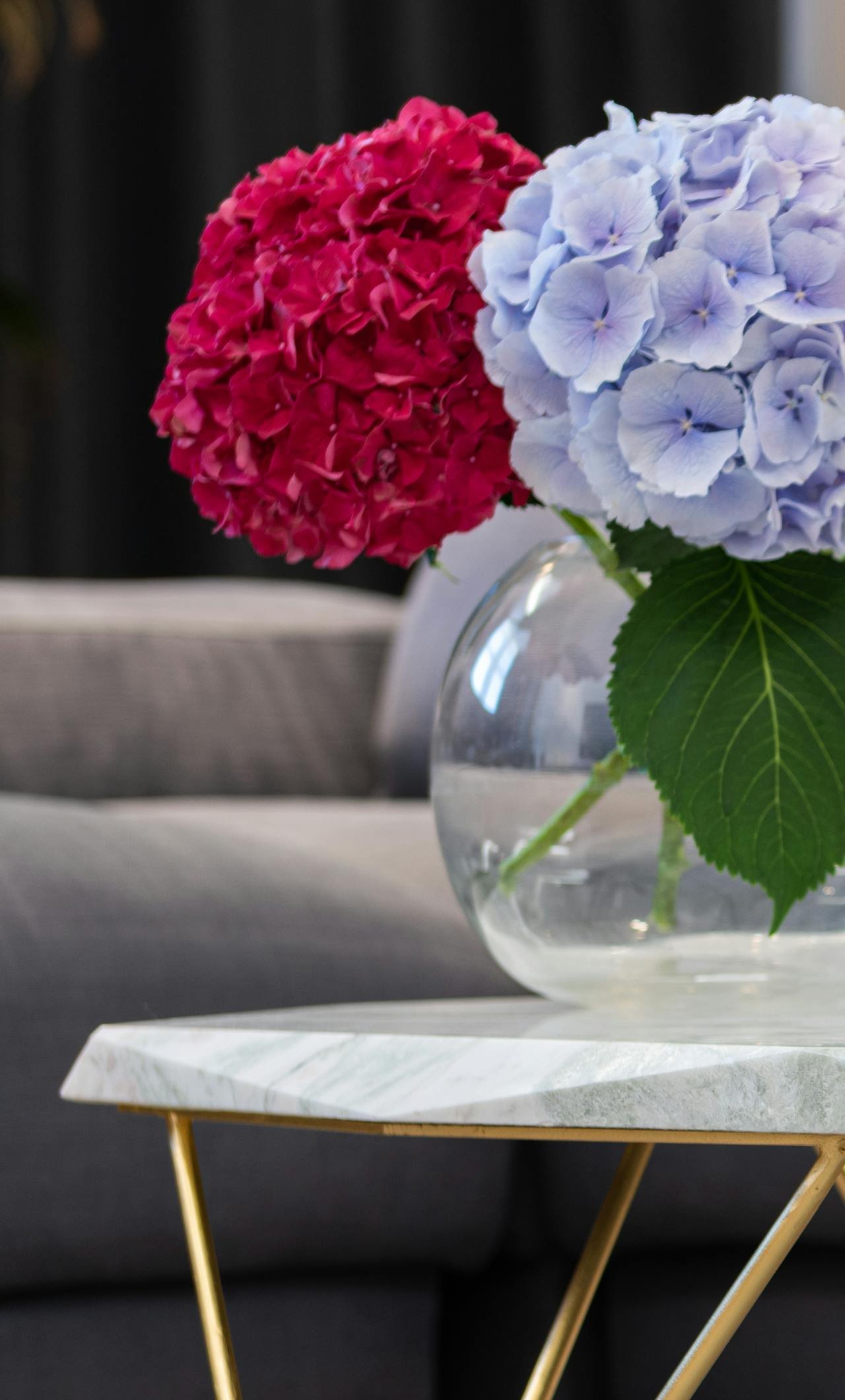
Caring for flower bouquets in a hot and humid environment like Singapore requires special attention to ensure their longevity and vibrancy. Here are essential tips to keep your blooms looking beautiful for as long as possible.
1. Choose the Right Location
Avoid Direct Sunlight: Place your bouquet away from direct sunlight, as it can cause the flowers to wilt quickly.
Control Temperature: Keep flowers in a cool room, ideally between 18-22°C. Air-conditioned spaces are preferable.
2. Water Wisely
Hydrate Immediately: Upon receiving your bouquet, hydrate it by cutting the stems at an angle under running water.
Use Fresh Water: Refill the vase with clean, room-temperature water, ensuring no leaves are submerged to prevent bacterial growth.
Change Water Regularly: Replace the water every two days to keep it fresh and free from bacteria.
3. Trim the Stems
Regular Trimming: Trim about 1-2 cm from the stems every few days to encourage water absorption.
Cut at an Angle: Always cut at an angle to maximise surface area, which helps the flowers take up more water.
4. Add Flower Food
Use Provided Flower Food: If included with your bouquet, mix the flower food with the water. This helps provide necessary nutrients.
DIY Flower Food: In the absence of commercial flower food, you can make your own by mixing sugar and bleach (1 part each) in water to nourish and inhibit bacterial growth.
5. Monitor Humidity Levels
Humidity Control: While flowers thrive in humidity, excessive moisture can lead to rot. Ensure good air circulation around the bouquet.
Avoid Overcrowding: If displaying multiple bouquets, ensure they are spaced out to prevent excess moisture accumulation.
6. Prune Regularly
Remove Wilting Flowers: Regularly check for wilting or brown leaves and remove them. This helps maintain the bouquet's overall health.
Snip Non-Flowering Buds: If there are many closed buds, snip those that show signs of wilting once they have opened.
7. Be Mindful of Seasonal Changes
Choose Seasonal Flowers: Select blooms that are suitable for the current climate season to ensure they are more resilient.
Adapt Care Routines: As the weather changes, adjust your care routine
Guide to Luxury Flower Varieties for Valentine's Day

Valentine's Day is a celebration of love and affection, and what better way to express those feelings than with luxury flowers? Below is a Bloom and Song guide to some exquisite varieties that are perfect for creating memorable floral arrangements on this special occasion.
1. Garden Roses
Garden roses are renowned for their lush, romantic blooms and captivating fragrances. Unlike standard roses, these varieties have a more intricate petal structure, making them an ideal choice for luxury bouquets. Popular shades include blush pink, deep red, and soft white.
2. Peonies
Peonies are celebrated for their extravagance, with large, full blooms that exude elegance and beauty. Available in various colours, peonies symbolise romance and prosperity, making them a perfect choice for Valentine's Day. They are typically in season from late spring to early summer, but consider using preserved varieties for a stunning and lasting impression.
3. Orchids
Orchids offer an exotic touch to any floral arrangement. With their graceful stems and unique blooms, they radiate elegance and sophistication. Varieties such as Phalaenopsis and Cymbidium are particularly popular and can serve as beautiful focal points in luxury bouquets.
4. Tulips
Tulips, with their simple yet striking silhouette, are a timeless choice for Valentine's Day. Luxury tulips come in a variety of vibrant hues, including rich purples, deep reds, and soft pastels. Look for double-flowered varieties for added extravagance.
5. Calla Lilies
Calla lilies are synonymous with modern elegance. Their sleek, sculptural shapes and lush blooms make them a favourite in luxury arrangements. Available in classic white or bold shades such as deep purple and rich burgundy, they can evoke a sense of sophistication.
6. Hydrangeas
Hydrangeas add fullness to arrangements, creating a lush and romantic look. Their large, rounded flower heads are available in various colours, including delicate pastel shades and striking blues and purples. They pair beautifully with other luxury blooms, adding texture and depth to the display.
7. Sweet Peas
Sweet peas are beloved for their fragrant, delicate blooms and are often found in pastel shades. They add charm and a touch of whimsy to bouquets, making them an excellent addition for a romantic gift.
8. Lisianthus
With their rose-like appearance, lisianthus are an elegant choice for any luxury floral arrangement. These flowers boast a long vase life and come in an array of colours, including soft whites, vibrant pinks, and deep purples.
9. Dahlias
Dahlias are known for their stunning, intricate blooms and come in various shapes and sizes. They can be found in a range of colours, from vibrant reds to soft pinks and whites, adding a touch of drama and flair to any bouquet.
10. Anemones
Anemones feature striking, bold petals with a central dark centre that draws the eye. Available in vivid colours like deep blue, white, and burgundy, they bring an artistic flair to luxury arrangements.
Flower tips
Choosing the right luxury flower varieties for Valentine's Day can elevate your floral gift and express your love uniquely. Selecting blooms based on their beauty, fragrance, and symbolism will ensure a thoughtful presentation that cherished loved ones will remember. Aim for a harmonious blend of colours and textures to create a stunning bouquet that embodies love and affection.
Guide to the Best Flowers to Celebrate a Job Promotion

Celebrating a job promotion is a significant milestone and choosing the right flowers can enhance the joy of the occasion. Here is a Bloom and Song guide to some of the best flower choices suitable for congratulating someone on this achievement.
1. Roses
Meaning: Roses are widely recognised symbols of love and admiration.
Recommendation: Opt for vibrant colours such as yellow for joy or pink for gratitude. A bouquet of mixed roses adds elegance and charm.
2. Lilies
Meaning: Lilies represent commitment and rebirth.
Recommendation: White lilies convey purity and achievement, whereas Asiatic lilies in bright colours can add a lively touch to the celebration.
3. Sunflowers
Meaning: Sunflowers symbolise adoration and loyalty.
Recommendation: Their bright and cheerful appearance makes them perfect for conveying happiness and positivity about a new beginning.
4. Orchids
Meaning: Orchids signify refinement and exotic beauty.
Recommendation: A potted orchid is a lovely gift that lasts longer, serving as a lasting reminder of the achievement.
5. Gerbera Daisies
Meaning: These flowers represent joy and cheerfulness.
Recommendation: Their vibrant colours and large blooms add a playful yet sophisticated touch, making them a fantastic choice for a celebratory bouquet.
6. Tulips
Meaning: Tulips denote new beginnings.
Recommendation: Available in various colours, they can be customised to the recipient’s preference, adding a personal touch to the gift.
7. Peonies
Meaning: Peonies symbolise good fortune and prosperity.
Recommendation: Their lush blooms and romantic aura make them perfect for a congratulatory gesture, particularly in pink or white shades.
8. Mixed Seasonal Arrangements
Meaning: A bouquet featuring a variety of flowers can convey diversity and vibrancy.
Recommendation: Include seasonal blooms to create a unique and fresh arrangement that reflects the colours of the season.
Top floral tips
Choosing the right flowers for celebrating a job promotion should reflect the recipient’s personality and the significance of their achievement. Each flower carries its own meaning, allowing you to convey your heartfelt congratulations in a beautiful and meaningful way. Consider pairing the flowers with a handwritten note for a personal touch that will make the celebration even more special.
A Guide to the Best Florists in Hong Kong for Flower Delivery

Sometimes even though you live in Singapore, you need to deliver flowers to friend in Hong Kong. When it comes to sending flowers in Hong Kong, several exceptional florists stand out for their quality, service, and creativity. Below is a curated list of the best options for flower delivery in the city.
1. Petal & Poem
Petal & Poem is renowned for its luxurious flower arrangements and same-day delivery service across Hong Kong Island, Kowloon, and the New Territories. Their exquisite bouquets cater to a variety of occasions, including weddings, anniversaries, and corporate events. The team's attention to detail and commitment to sourcing the freshest blooms ensure each arrangement is a work of art.
2. The Floristry
This florist is celebrated for its stylish designs and unique floral arrangements. The Floristry offers both classic and contemporary options, making it ideal for any occasion. With a strong emphasis on customer service, they provide prompt delivery and even bespoke arrangements tailored to individual preferences.
3. Floristics Co.
Floristics Co. combines modern aesthetics with a passion for floristry. Known for their creative and fashionable bouquets, they frequently incorporate seasonal flowers and foliage into their designs. Their eco-conscious approach to sourcing materials appeals to customers looking for sustainable options.
4. Flowersby
Specialising in quick and efficient service, Flowersby is perfect for last-minute gifts. Their extensive collection includes a range of prices and styles, ensuring there's something for everyone. They also offer same-day delivery and have a reliable reputation among locals for quality service.
5. Lover Florals
Lover Florals is a premium florist that focuses on bespoke arrangements and luxurious flower gifting. Their team of skilled florists creates one-of-a-kind bouquets suitable for grand celebrations or intimate occasions. With a commitment to providing exceptional customer service, Fleurs certainly delivers an elegant experience.
6. HK Florist
If you're looking for something a bit different, HK Florist is known for its untraditional styles and artistic arrangements. Ideal for modern tastes, they offer a delightful selection of wild and whimsical designs. hk-florist.com signature service includes same-day delivery and unique flower subscriptions for regular recipients.
7. Flowerbee
Flowerbee combines elegance with sustainability, focusing on locally sourced blooms and eco-friendly packaging. Their arrangements are not only beautiful but also environmentally responsible. They provide a range of styles and offer next-day delivery, ensuring your flowers arrive fresh.
Whether you're celebrating a special occasion or simply wishing to brighten someone's day, these florists offer excellent flower delivery services throughout Hong Kong. Each brings its unique flair to floral artistry, ensuring that whatever your choice, you will find stunning arrangements to convey your sentiments beautifully: https://www.hk-cityguide.com/expat-guide/hk-best-florists
Other exceptional Hong Kong florists that come highly recommended by customers include, the award-winning Andrsn Flowers (andrsnflowers.com), the seasonal favourite Hayden Blest (haydenblest.com), for luxury rose bouquets Maison XXII (maisonxxii.com), blooming marvellous Bloom Box HK (bloomboxhk.com), the floral trendsetter Pause Rewind & Fastforward (pauserewindnfastforward.com) and the florist known for great value flower delivery Magenta Florist (magenta-florist.com).
The most luxury Hong Kong florists in Hong Kong among the city’s elite are Mille Florist (milleflorist.com), Comma Blooms (commablooms.com) as well as Petal Priory (petalpriory.com).
For great value blooms when you don’t want your flowers to break the bank, check out Magenta Florist (magenta-florist.com) , Sunny Florist (sunny-florist.com) or La Rose Florist (larose-florist.com).
Botanical Guide to Different Petal Types

In the world of botany, petals serve as crucial components of flowers, often defining their aesthetic and functional qualities. Understanding the different types of petals can enhance the appreciation of floral arrangements and the natural beauty of various plants. Here is a Bloom and Song guide to the primary petal types:
1. Single Petals
Single petals consist of a solitary layer of petals without any further subdivisions. Typically found in flowers like lilies and tulips, these simplify the flower's structure. They often serve as a striking display due to their uniformity and elegance.
Characteristics:
Simple and clean appearance
Often broad and flat
Can vary in colour and size
2. Double Petals
Double petals are characterised by multiple layers of petals, which may create a fuller, more luxurious effect. Common in varieties like roses and peonies, these flowers often present a more lush and complex visual impact.
Characteristics:
Multiple layers create depth
Frequently maintains fragrance
Sizes and colours can vary widely
3. Fringed Petals
Fringed petals feature a distinct, serrated edge, giving them a unique texture. Flowers such as fringed tulips display this trait, attracting attention with their decorative borders.
Characteristics:
Textured appearance with fringed edges
Adds visual interest to floral arrangements
Often seen in striking colours
4. Spurred Petals
Spurred petals have a distinctive extension or spur that often projects from the base, enhancing the flower's shape and functionality. Columbines and violets are notable examples of flowers with spurred petals, which can aid in pollination strategies.
Characteristics:
Include a pronounced spur
Attractive to specific pollinators
Vary in length and curvature
5. Notched Petals
Notched petals feature a small indentation or cut at the edge, which can bring a delicate quality to flowers. Species such as daffodils showcase this petal type, contributing to their unique blossom shape.
Characteristics:
Subtle indentations along the edge
Contributes to the overall flower silhouette
Can vary in depth of notch
6. Tubular Petals
Tubular petals are elongated and often form a tube-like structure, as seen in flowers like snapdragons and honeysuckles. These structures not only serve aesthetic purposes but also facilitate specific pollination processes.
Characteristics:
Long and narrow structure
Often attract hummingbirds and specific insects
Can be vibrant and colourful
7. Bell-Shaped Petals
Bell-shaped petals resemble a bell and are typically arranged in an overlapping manner. This type is seen in flowers such as bluebells and freesias. Their shape can help collect moisture and attract insects.
Characteristics:
Distinctive bell-like appearance
Provides shelter for nectar
Often used in clustered arrangements
The variety of petal types enriches the floral world, contributing to the beauty and diversity of plant life. Flower guide provided by Singapore’s top luxury florist: https://www.petalandpoem-sg.com/. By recognising these characteristics, one can gain deeper insights into the natural elegance of flowers, whether in their natural settings or in thoughtful arrangements.
A Guide to Graduation Flowers for Universities in Singapore

Graduation is a momentous occasion, celebrating achievements and new beginnings. Choosing the right flowers adds a touch of elegance to this event. Here’s a Bloom and Song guide tailored to various universities in Singapore.
1. National University of Singapore (NUS)
Recommended Flowers: Orchids
Meaning: Orchids are associated with beauty, strength, and luxury, making them a perfect complement to the prestigious NUS.
Bouquet Ideas: A cascading orchid bouquet in shades of purple and white captures the essence of accomplishment. Pair it with greens to enhance its beauty.
2. Nanyang Technological University (NTU)
Recommended Flowers: Sunflowers
Meaning: Sunflowers represent positivity and joy, reflecting the bright future awaiting graduates.
Bouquet Ideas: A vibrant sunflower arrangement, possibly in a rustic basket, conveys warmth and celebration, perfect for NTU’s dynamic environment.
3. Singapore Management University (SMU)
Recommended Flowers: Roses
Meaning: Roses signify love, respect, and admiration, suitable for acknowledging the hard work put into achieving this milestone.
Bouquet Ideas: A classic red and white rose bouquet elegantly wrapped can symbolize triumph and beauty, aligning with SMU’s reputation for excellence.
4. Singapore University of Technology and Design (SUTD)
Recommended Flowers: Gerberas
Meaning: Gerberas epitomise cheerfulness and strength, ideal for the innovative spirit of SUTD.
Bouquet Ideas: A lively mix of gerberas in a variety of hues can reflect creativity and joy, making a striking statement on graduation day.
5. Yale-NUS College
Recommended Flowers: Calla Lilies
Meaning: Calla lilies represent purity and elegance, perfectly suited for the distinguished atmosphere of Yale-NUS.
Bouquet Ideas: A sophisticated bouquet featuring white and deep burgundy calla lilies can create a striking visual impact, resonating with the college’s ethos.
6. Singapore University of Social Sciences (SUSS)
Recommended Flowers: Lilies
Meaning: Lilies symbolise transformation and renewal, fitting for SUSS, which focuses on social sciences and change.
Bouquet Ideas: A bouquet of mixed lilies, perhaps in pastel colours, reflects a sense of new beginnings and personal growth.
7. Singapore Institute of Technology (SIT)
Recommended Flowers: Proteas
Meaning: Proteas are known for their resilience and adaptability, mirroring the innovative spirit of SIT.
Bouquet Ideas: A contemporary arrangement featuring proteas and complemented by foliage can represent strength and uniqueness.
https://www.singaporetech.edu.sg/
Final tips
Choosing the right graduation flowers can enhance the celebration of this significant achievement. Each university has its unique character, which can be beautifully reflected in the floral selections. Whether opting for classic elegance or vibrant creativity, the ideal bouquet will leave a lasting impression on this special day.
Best designer outlets in Singapore for luxury shopping
Singapore is a fantastic destination for luxury shopping, and if you’re looking for designer bargains, there are some great options. Let’s explore both outlet malls and other luxury shopping destinations:
The Shoppes at Marina Bay Sands:
Located inside the iconic Marina Bay Sands building, The Shoppes is a paradise for luxury shoppers. It houses some of the world’s most prestigious brands, including Audemars Piguet, Balmain, Balenciaga, Dior, Breitling, Giorgio Armani, Givenchy, Hermès, Prada, Saint Laurent, and Versace. While it’s not an outlet mall per se, the sheer variety and exclusivity of brands make it a must-visit for fashion enthusiasts.
ION Orchard:
ION Orchard, situated on Orchard Turn, is another high-end shopping destination. While not strictly an outlet mall, it features flagship stores of luxury brands like Louis Vuitton, Chanel, and Gucci. Keep an eye out for occasional sales and promotions, especially during festive seasons or end-of-season clearances.
Ngee Ann City (Takashimaya):
Ngee Ann City, commonly known as Takashimaya, is a massive shopping complex on Orchard Road. It houses Takashimaya Department Store, which offers luxury fashion, cosmetics, and accessories. While not exclusively an outlet, it occasionally hosts sales events where you can find designer items at discounted prices.
Paragon Shopping Centre:
Paragon, also located on Orchard Road, is home to upscale boutiques and designer stores. While it’s not an outlet mall, it’s worth checking out for its curated selection of luxury brands. Keep an eye on seasonal sales or special promotions to snag some bargains.
IMM Outlet Mall:
IMM, situated in Jurong East, is one of Singapore’s largest outlet malls. It boasts over 90 outlet stores, offering year-round discounts of up to 80%. Serious shoppers can score deals from high-end boutiques like Calvin Klein Jeans, Club 21, British India, Benjamin Barker, and Cole Haan, among others.
Changi City Point:
Located in the east of Singapore, Changi City Point is home to many high-street fashion outlets. You’ll find brands like Cotton On, Esprit, Bata, Aldo, Clarks, and more. It’s a great place to shop for everyday basics and comfortable shoes at considerable discounts.
Anchorpoint Shopping Centre:
This two-storey gem in Queenstown houses popular brands like Cotton On, Charles & Keith, and Pedro. If you’re on the hunt for a new pair of shoes, Anchorpoint is the place to be. Flats from Charles & Keith start from just $15 here.
Queensway Shopping Centre:
One of Singapore’s oldest shopping complexes, Queensway Shopping Centre specializes in sports equipment. While it may not have the trendiest choices, it offers discounts on last season’s Nike football boots, squash racquets, and more. Sports enthusiasts won’t leave empty-handed.
Luxury shopping doesn’t always mean outlet malls. Sometimes, flagship stores and department stores also offer promotions and sales. Happy shopping, and may you find fabulous designer pieces without breaking the bank.
A Guide to Theories About Flower Arrangement

Understanding the fundamental theories of flower arrangement is essential for any florist seeking to create stunning bouquets. Here are key principles and theories every florist should be familiar with:
1. The Elements of Design
Line
The line creates structure and movement in a floral arrangement. It can be geometric or organic, guiding the viewer's eye throughout the design.
Form
Form refers to the three-dimensional shape of the arrangement. Understanding the unique silhouettes of different flowers helps to create a balanced and visually appealing composition.
Shape
A vital aspect of the arrangement, shape is defined by the outline of the flowers and foliage. Different shapes evoke different emotional responses, influencing the overall impression of the bouquet.
Colour
Colour theory is critical in floral design. Florists should understand how different colours interact and the psychological effects they can have. The colour wheel can guide colour combinations that create harmony or contrast.
Texture
Incorporating various textures adds depth and interest to an arrangement. A mix of smooth and rough textures, shiny and matte surfaces, can engage the viewer and make the arrangement more dynamic.
Space
Negative space (the empty areas between elements) is just as important as the flowers themselves. It helps to highlight the arrangement's components, making the whole piece more impactful.
2. Design Principles
Balance
Achieving balance ensures that the arrangement is stable and visually pleasing. This can be symmetrical (formal) or asymmetrical (informal), depending on the desired look.
Proportion
Proportion relates the size of flowers to their arrangement and the container. Understanding how the scale of elements influences perception is crucial for creating effective designs.
Scale
Scale refers to the overall size of the arrangement in relation to its surroundings. A large arrangement may dominate a space, while a smaller bouquet can create intimacy.
Rhythm
Rhythm guides the flow within an arrangement, created by the repetition of certain elements, such as colour or shape. It draws the viewer's eye around the design.
Harmony
Harmony involves the cohesion of various design aspects, ensuring the bouquet feels like a unified whole rather than a collection of disparate elements.
3. The Principles of Ikebana
Ikebana, the Japanese art of flower arranging, emphasises simplicity and the beauty of nature. Key principles include:
Minimalism: Focusing on a few key elements to create impact.
Asymmetry: Promoting natural balance through uneven placements.
Seasonality: Using seasonal flowers to connect with nature.
4. The Fibonacci Sequence
The Fibonacci sequence, a mathematical concept where each number is the sum of the two preceding ones, can be applied in floral design to create arrangements that feel naturally balanced and pleasing to the eye. Flowers arranged in spirals or groups that reflect this sequence can achieve an organic and harmonious look.
5. Nature-Inspired Design
Drawing inspiration from nature encourages florists to observe how flowers grow in the wild. Arrangements that mimic natural habitats often result in more authentic and aesthetically pleasing designs. Embracing irregularity and allowing flowers to flow naturally can create a more visually engaging arrangement.
6. Cultural Influences
Different cultures have distinct floral arrangement techniques and meanings. Understanding these cultural influences allows florists to create arrangements that resonate with specific clients or occasions, adding depth and significance to the design.
Final tips
Mastering the theories of flower arrangement enables florists to elevate their craft. An integration of design elements and principles, coupled with cultural understanding and nature-inspired approaches, can lead to stunning floral creations that impress and inspire. Embrace these theories to enhance your floral artistry and meet the diverse expectations of your clientele.
Guide to Buying Flowers for a Graduation in Singapore
Graduation is a momentous occasion, deserving of a thoughtful floral arrangement to celebrate the achievement. Here’s a Bloom and Song guide to selecting the perfect flowers for this special day.
1. Understand the Symbolism of Flowers
It's essential to consider the meanings associated with different flowers:
Roses: Often signify love and admiration, perfect for celebrating someone's hard work.
Lilies: Symbolise purity and commitment, making them suitable for the fresh beginnings that follow graduation.
Gerberas: Represent joy and cheerfulness, embodying the excitement of this new chapter.
Orchids: Convey elegance and refinement, ideal for a luxurious touch.
2. Choose the Right Arrangement
Decide whether you prefer a bouquet or a more structured arrangement:
Bouquet: A classic choice, easy to hold and carry. Consider a hand-tied bouquet for a casual yet sophisticated look.
Arrangement: Ideal for displaying on a table or at a gathering. Choose a stylish vase to complement the flowers.
3. Consider the Recipient's Preferences
Tailor your choice to the graduate's taste. Pay attention to their favourite colours, flowers, or any specific themes they might prefer.
4. Opt for Seasonal Flowers
Choosing flowers that are in season ensures freshness and often comes at a lower cost. In Singapore, consider flowers like:
Hibiscus: A tropical favourite that adds a local flair.
Bougainvillea: Vibrant and available throughout the year, contributing a striking visual.
5. Add Personal Touches
Enhance the arrangement with personalised elements:
Message Card: Include a heartfelt note congratulating the graduate.
Add-ons: Consider incorporating items like chocolates or small gifts alongside the flowers for an extra surprise.
6. Plan for Delivery
If you’re unable to attend the ceremony in person, make sure to arrange for timely delivery. Most florists in Singapore offer same-day delivery services, ensuring the flowers arrive fresh and on time.
7. Select a Reputable Florist
Choose a florist known for quality and reliability. Look for:
Customer Reviews: Check online for feedback on service and delivery.
Variety: A good florist should have a wide range of flowers and arrangements to choose from.
8. Budget Wisely
Set a budget prior to shopping. Flowers can vary significantly in price based on type and arrangement. Electronics and add-ons will also contribute to your overall expenditure.
Final tips
A beautiful bouquet or floral arrangement can enhance the celebratory mood of graduation. By considering the graduate's preferences, opting for seasonal blooms, and selecting a reputable florist, you’ll ensure your gift is both meaningful and memorable. Celebrate this significant achievement with flowers that reflect joy, pride, and admiration.