Thematic Use of Flowers in Musical Theatre
1. Symbolism of Growth and Renewal
Flowers often represent growth, change, and renewal in musical narratives. They can signify the blossoming of a character or the transformation of relationships. For instance, in "Little Shop of Horrors," the carnivorous plant symbolizes desire and ambition, echoing the protagonist's journey from a timid florist to someone willing to cross moral boundaries.
2. Love and Romance
Flowers are traditional symbols of love and romance, regularly appearing in musicals to convey deep emotions. In "The Phantom of the Opera," the red rose serves as a powerful motif, representing both the Phantom's love for Christine and the beauty intertwined with tragic longing. Similarly, in "My Fair Lady," flowers play a crucial role in the themes of societal status and romantic interest, particularly in Eliza's transformation.
3. Celebration and Festivity
In various musicals, flowers are used as symbols of celebration and joy. The vibrant floral arrangements in "Mamma Mia!" encapsulate the spirit of summer and the jubilation of life on a Greek island. Flowers in such contexts help to create a visual feast that complements the upbeat, festive atmosphere of the musical.
4. Mourning and Loss
Conversely, flowers can also represent sorrow and loss, serving as a poignant reminder of mortality. In "Rent," the imagery of flowers entwined with themes of illness and remembrance conveys the fragility of life. The use of floral motifs captures the bittersweet nature of the characters’ experiences and relationships throughout the narrative.
5. Cultural Significance
Different cultures imbue flowers with specific meanings, allowing musicals to leverage this symbolism for deeper themes. For example, in "The King and I," the use of tropical flowers highlights the richness of Siamese culture and distinguishes between the East and West. Musical theatre often employs flowers not just for aesthetic purposes but also to honour cultural heritage.
6. Visual and Aesthetic Enhancements
Flowers can significantly enhance the visual aesthetics of a production. They serve to create vibrant stage designs that draw audiences into the world of the musical. In "Wicked," the portrayal of lush floral settings in the land of Oz contributes to the fantastical atmosphere, reinforcing the themes of magic and wonder present throughout the story.
7. A Representation of Nature
In many musicals, flowers are used to express a connection to nature. Productions like "Into the Woods" explore the intertwining of human desires with the natural world, with flowers symbolising the beauty and complexity of this relationship. This connection reinforces themes of adventure, danger, and the morals of storytelling.
HK florist
Flowers serve as a multifaceted theme in musical theatre, representing an array of emotions, symbols, and cultural significances. Their presence adds depth to narratives and enriches the audience's experience, affirming the enduring connection between nature and the human experience conveyed in song and performance. As both visual and metaphorical elements, flowers are indispensable in crafting the emotive tapestry of musical storytelling.
Guide to Table Arrangement Techniques for Florists
When it comes to creating stunning floral displays, understanding table arrangement techniques is essential. From weddings to corporate events, the right arrangement can elevate any occasion. Here are several techniques every florist should master.
1. Hierarchy and Focal Points
Establishing a focal point is crucial in any table arrangement. The focal point draws the eye and creates interest.
Tall Centrepieces: Use tall stems or dramatic flower varieties to create height and draw attention.
Layered Heights: Incorporate varying heights in the arrangement to guide the viewer’s gaze.
2. Balance and Symmetry
Achieving balance ensures the arrangement feels stable and harmonious.
Symmetrical Arrangements: Common in formal settings, these arrangements are mirror images on either side of the centre.
Asymmetrical Arrangements: These create more dynamic and modern looks, utilising varying elements to create a more organic flow.
3. Colour Theory
Understanding colour combinations can greatly affect the overall impact of a floral arrangement.
Monochromatic Schemes: Utilise varying shades of a single colour for a sophisticated look.
Analogous Colours: Choose colours next to each other on the colour wheel to create a pleasing palette.
Complementary Colours: Use opposite colours to create vibrant, eye-catching arrangements.
4. Texture and Variety
Incorporating different textures adds depth and interest.
Variety of Foliage: Mixing various green textures can enhance the arrangement’s overall impact.
Combining Flowers: Use a combination of large blooms, small filler flowers, and delicate elements like grasses or twigs.
5. Scale and Proportion
Ensuring that the size of the arrangement is appropriate for the table size is vital.
Consider Table Dimensions: A low arrangement works best on smaller tables, whereas larger tables can accommodate more substantial centrepieces.
Proportional Elements: Ensure flowers and containers are proportionate to each other and to the table.
6. Containers and Bases
The choice of container can significantly influence the arrangement's style and functionality.
Vases: Classic choice; select shapes that enhance the arrangement without overshadowing it.
Natural Bases: Consider using wooden slabs, stones, or rustic containers for a unique touch.
7. Scent Considerations
When arranging flowers for dining settings, scent should be considered to enhance the experience without overwhelming it.
Subtle Fragrances: Choose flowers with pleasant yet subtle aromas to avoid clashing with food scents.
No-Scent Options: For highly aromatic dishes, consider using scent-free flowers.
8. Seasonality and Availability
Utilising seasonal flowers not only supports local growers but also ensures freshness.
Seasonal Arrangements: Tailor arrangements to the time of year, incorporating seasonal blooms and colours.
Local Sourcing: Always check for the availability of flowers and foliage to enhance sustainability and freshness.
9. Maintenance and Longevity
Educating clients on care is vital for long-lasting arrangements.
Watering Needs: Include care instructions, particularly for arrangements requiring different levels of hydration.
Temperature and Light: Advise on ideal conditions for placement to prolong the life of the flowers.
10. Personalisation
Lastly, personal touches can make an arrangement meaningful.
Client Preferences: Always consider client preferences, whether they favour specific colours, flowers, or styles.
Thematic Arrangements: Tailor arrangements to the theme of the event for cohesive décor.
Singapore florist tips
Mastering these table arrangement techniques will elevate a florist's skillset and enable the creation of exquisite designs for any occasion. By understanding and applying these principles, florists can produce arrangements that not only look beautiful but also resonate with clients and their guests.
A Guide to the Most Expensive Places to Live in Singapore
Singapore is known for its high living standards and cosmopolitan lifestyle, which is reflected in its real estate market. Here is a comprehensive guide to some of the most expensive places to call home in the Lion City:
1. Sentosa Island
Sentosa is one of Singapore's most luxurious locales, famous for its resort-style living. With beachfront villas and exclusive condos, residents enjoy proximity to world-class attractions like Universal Studios and luxurious amenities. Properties here can command prices upwards of SGD 20 million.
2. Orchard Road
Orchard Road is synonymous with upscale shopping and dining. The area offers high-end condominiums and spacious apartments, often with stunning city views. Living in this prime location can cost between SGD 3 million and SGD 15 million, depending on the property type and size.
3. Marina Bay
Marina Bay stands as a symbol of modern luxury in Singapore, featuring iconic developments like Marina Bay Sands and luxury high-rise apartments. Waterfront living, breathtaking views, and proximity to business hubs make this area highly desirable. Prices here typically range from SGD 2 million to over SGD 25 million for penthouses.
4. Bishan
Bishan is an affluent residential area characterised by spacious homes and family-friendly amenities. Properties in this neighbourhood, particularly the landed houses, tend to be highly sought after, with prices ranging from SGD 2 million to upwards of SGD 6 million.
5. Bukit Timah
Known for its lush greenery and exclusive residential estates, Bukit Timah is popular among families and expatriates. The area features luxurious bungalows and spacious high-end apartments, with property prices starting around SGD 3 million and going much higher for prime locations.
6. East Coast
The East Coast area features a mix of landed properties and high-rise condominiums near the coastline. With access to recreational spaces and a vibrant food culture, homes here can cost anywhere from SGD 2 million to SGD 10 million for prime beachfront properties.
7. Holland Village
Holland Village is cherished for its eclectic mix of dining and shopping options. With a blend of landed homes and upscale condominiums, property prices can range from SGD 2.5 million to SGD 6 million, appealing to those looking for a vibrant community atmosphere.
8. Tanjong Pagar
As part of the Central Business District, Tanjong Pagar features a range of luxury high-rise apartments and penthouses. The ease of access to workplaces and entertainment options makes it a prime choice for professionals, with prices starting around SGD 2 million and going up significantly for exclusive developments.
Singapore living tips
Living in these prestigious locations in Singapore comes at a premium, but the luxury and lifestyle offered are often deemed worth the investment. Whether you are seeking a beachfront villa, a high-rise with city views, or a spacious family home, Singapore's top real estate offerings provide an unparalleled living experience.
Guide to Sending Luxury Flowers for Deepawali in Singapore

Deepawali, also known as Diwali, is a festival of lights celebrated by millions, symbolising the victory of light over darkness and good over evil. Sending luxury flowers is an exquisite way to convey your heartfelt wishes during this auspicious occasion. Here’s how to select and send the perfect floral arrangements to celebrate Deepawali in Singapore.
1. Choose the Right Flowers
When selecting flowers for Deepawali, consider the traditional and culturally significant varieties:
Marigolds: Often associated with celebrations, marigolds embody joy and prosperity.
Lotus: Symbolising purity and beauty, it is significant in many Indian traditions.
Roses: Available in various shades, they symbolise love and affection.
Carnations: Ideal for adding texture, they convey fascination and distinction.
Remember to choose vibrant colours such as orange, yellow, and red, which are considered auspicious.
2. Consider the Arrangement Style
Luxury flower arrangements can vary in style. Depending on the recipient's taste, you may choose:
Classic Bouquets: A timeless option, elegantly arranged in a simple bouquet.
Vase Arrangements: Flowers set in a luxury glass vase that can be reused, perfect for home décor.
Themed Displays: Incorporate candles or decorative elements that reflect the spirit of Deepawali.
3. Incorporate Traditional Elements
To enhance the festive appeal, consider including traditional elements such as:
Decorative Diyas: Small oil lamps that symbolise light and can be incorporated within the floral design.
Rangoli Patterns: Floral arrangements that mimic the traditional designs created on the ground during Deepawali.
Sweets and Treats: Pair your flowers with traditional sweets or treats to create an elegant gift package.
4. Timing Your Delivery
To ensure your flowers arrive fresh and on time:
Order in Advance: Due to high demand during Deepawali, place your order well ahead of the celebration.
Same-Day Delivery: Opt for services that offer same-day delivery to accommodate last-minute gifting.
5. Personalise Your Message
Include a heartfelt card with your floral arrangement. A thoughtful message can convey your wishes for prosperity, happiness, and light during this festive season. Keep it simple yet sincere.
6. Select a Reputable Florist
Choose a florist known for quality and luxury arrangements. Look for reviews or recommendations to ensure that the flowers are fresh and beautifully arranged.
By following these guidelines, you can send a stunning display of luxury flowers that will illuminate the celebrations of Deepawali in Singapore. Celebrate this festival with elegance, thoughtfulness, and the beauty of nature.
Guide to Flowers to Send in Singapore for a Job Promotion
Celebrating a job promotion is a significant occasion, and sending flowers can convey your congratulations in a heartfelt manner. Here's a selection of suitable flowers to consider for this special moment:
1. Roses
Meaning: Roses are a classic choice that symbolize love and respect.
Colours: Opt for yellow roses to convey cheerful congratulations or pink roses for admiration.
2. Lilies
Meaning: Lilies represent ambition and commitment, making them a fitting choice for a professional achievement.
Varieties: Consider Asiatic or Oriental lilies for their striking appearance.
3. Orchids
Meaning: Orchids convey refined beauty and strength; they are perfect for someone stepping into a new role.
Types: In Singapore, Vanda or Phalaenopsis orchids are particularly popular and meaningful.
4. Gerberas
Meaning: Gerberas are vibrant flowers that represent joy and celebration, ideal for marking a promotion.
Colours: Go for bright colours like orange or yellow to bring a sense of happiness.
5. Sunflowers
Meaning: Sunflowers represent adoration and loyalty, making them an uplifting choice for someone achieving a new milestone.
Presentation: A bouquet of sunflowers can brighten any space and create a cheerful sentiment.
6. Peonies
Meaning: Peonies symbolise prosperity and good fortune, apt for congratulating someone on their advancement.
Seasonality: Keep in mind that peonies are seasonal; ensure they are available at the time of your order.
7. Succulents
Meaning: For a modern twist, consider a potted succulent. They signify endurance and growth, suitable for the new challenges ahead.
Care: Succulents are low-maintenance, making them a lasting gift that can brighten a workspace.
Arrangement Tips
Mixed Bouquets: Consider a mixed bouquet that incorporates several of these flowers for a more dynamic presentation.
Personal Touch: Add a personalised note or card with your message of encouragement to enhance the gesture.
Delivery Considerations
Same Day Delivery: Ensure you choose a florist that offers same-day delivery service in Singapore for timely congratulatory greetings.
Presentation: Look for arrangements that are not only beautiful but also elegantly packaged, reflecting the importance of the occasion.
Sending flowers in Singapore to congratulate someone on a job promotion is a thoughtful act that helps celebrate their achievements while conveying your best wishes for their future endeavors.
Guide to Choosing Flowers for an Anniversary

Choosing the right flowers for an anniversary is an important task that reflects thoughtfulness and affection. Here are some steps to help you make the best choice:
1. Consider the Meaning of Flowers
Different flowers carry unique meanings. Here are a few classic options to consider for anniversaries:
Roses: Symbolise love and romance. Red roses are most popular for romantic occasions, while pink can signify admiration and gratitude.
Lilies: Represent purity and refined beauty. They are elegant and can convey deep emotions.
Tulips: A symbol of perfect love, tulips are vibrant and cheerful, making them suitable for celebrations.
Orchids: Associated with luxury and strength, orchids can convey a deep emotional connection.
2. Reflect on Personal Preferences
Pay attention to your partner’s flower preferences. Consider their favourite blooms, colours, and scents. If you’re aware of any allergies, make sure to avoid those flowers to ensure your gift is a joyful experience.
3. Think About the Colour Palette
The colour of the flowers can influence the mood and message you want to convey:
Red: Passion and love.
Pink: Romance and grace.
Yellow: Friendship and joy.
White: Purity and new beginnings.
Consider selecting a combination of colours that reflect both your feelings and your partner’s tastes.
4. Choose the Right Arrangement
The style of the bouquet can greatly impact its impression:
Bouquets: A hand-tied bouquet offers a casual and modern look, while a more structured arrangement can appear more formal.
Single Stem: A single stunning bloom can be just as impactful as a full bouquet.
Additions: Consider including greenery or seasonal elements to enhance the arrangement’s appeal and personalisation.
5. Consider the Occasion
If the anniversary marks a significant milestone (e.g., 1st, 25th, or 50th), consider pairing flowers with special meanings or traditional gifts associated with that year.
6. Timing and Delivery
Opt for same-day delivery if you are short on time. Ensure that the flowers arrive fresh and vibrant on the special day, enhancing the overall experience of the anniversary celebration.
7. Include a Personal Touch
Adding a heartfelt note or card can elevate your floral gift. Share your feelings, recall cherished memories, or express your hopes for the future together.
By combining these elements, you can choose a floral arrangement that reflects your relationship and makes your anniversary memorable.
Guide to Choosing Flowers for Valentine's Day

Valentine's Day is an occasion to express love and admiration, and flowers play a quintessential role in this celebration. Here’s a Singapore florist guide to help you select the perfect blooms for your loved one.
1. Understand Flower Meanings
Before selecting flowers, it's essential to consider their meanings. Certain flowers convey specific emotions or messages:
Roses: The classic symbol of love, particularly red roses represent passion, while pink roses signify admiration.
Lilies: Often associated with devotion, lilies can add elegance to your bouquet.
Tulips: These beautiful blooms represent perfect love and are a vibrant alternative to roses.
Orchids: Exotic and unique, orchids signify beauty, strength, and luxury.
Sunflowers: Bright and cheerful, sunflowers represent adoration and loyalty.
2. Consider Your Partner's Preferences
Think about your partner's favourite flowers or colours. Choosing blooms they love shows thoughtfulness and personalisation. If you're unsure, you might consider:
Their Colour Palette: Do they prefer warm hues, cool tones, or perhaps a vibrant mix?
Type of Flowers: Are they drawn more to classic choices like roses or more unconventional selections like wildflowers?
3. Choose the Right Arrangement
The arrangement can significantly impact the overall feel of the gift. Consider the following:
Bouquets: A hand-tied bouquet is a classic choice. Opt for a mix of flowers for added texture or stick to a single type for a more modern, cohesive look.
Floral Arrangements in Vases: If you want something lasting, a beautiful arrangement in a vase can be an excellent option.
Gift Sets: Some florists offer curated packages that might include chocolates or wine alongside the flowers for a more comprehensive gift.
4. Timing and Delivery
Since Valentine's Day is a busy occasion for florists, it's advisable to order your flowers well in advance. Consider the following:
Same-Day Delivery: If you're deciding at the last moment, ensure the florist offers same-day delivery options.
Planning Ahead: Ordering a few days in advance ensures you get the freshest flowers and that your specific choices are available.
5. Include a Personal Touch
Finally, complement the flowers with a personal message or card. Perhaps share why you chose those particular flowers or recount a cherished memory related to them. This added touch can make the gift even more special.
Singapore florist
Choosing flowers for Valentine's Day doesn't have to be daunting. By considering the meanings, your partner's preferences, the arrangement style, timing, and personalisation, you can create a memorable bouquet that speaks volumes. Remember, it’s the thought and effort that truly count.
Florist's Guide to Throwing a Bridal Shower

1. Setting the Scene
Choose a Theme
Select a theme that resonates with the bride's personality or interests. Popular themes include vintage, garden party, or a specific colour palette. This will guide your flower choices.
Venue Consideration
The location influences your floral arrangements. Whether it be an outdoor garden, a chic restaurant, or a home setting, consider the ambience and size. Outside venues may call for more seasonal blooms, while indoor settings can accommodate larger displays.
2. Flower Selection
Seasonal Blooms
Select flowers that are in season for freshness and cost-effectiveness. For spring, consider tulips and daffodils; summer might favour sunflowers and daisies; autumn can be adorned with chrysanthemums and dahlias; winter can feature holly and amaryllis.
Signature Flowers
Ask the bride if she has any favourite flowers. Incorporating these into the arrangements will add a personal touch.
Colour Palette
Stick to the chosen theme's colour scheme. Soft pastels work well for a romantic theme, while bold, vibrant colours make a striking statement.
3. Arrangements
Centrepieces
Create visually appealing centrepieces for tables. Large arrangements can be dramatic, while smaller vases with individual blooms can maintain elegance. Consider mixing heights with both tall and low arrangements.
Bouquets
Provide the bride with a personal bridal bouquet that matches her style and the overall theme. Offer options for bridesmaids' bouquets as well.
Corsages and Boutonnieres
Don’t forget to make corsages for the mothers and boutonnieres for the groom and groomsmen. These can echo the main floral theme.
4. Additional Floral Elements
Garlands and Swags
Use floral garlands to decorate the entrance or table edges. Swags can enhance the backdrop or the bridal table for an inviting feel.
Floral Cake Toppers
Consider a floral cake topper to highlight the wedding cake. Using edible flowers can add a unique and sophisticated touch.
5. Delivery and Setup
Timing
Arrange for delivery on the day of the bridal shower to ensure freshness. Consider set-up time; flowers should be arranged before guests arrive, creating an effortless transition.
Display Tips
Place taller arrangements at the edges of tables or corners, while shorter ones can be central for easy visibility. Ensure that all table settings complement the flowers for a cohesive look.
6. Final Touches
Personalised Notes
Include small cards with messages or the bride's favourite quotes placed among the floral arrangements. This adds a thoughtful, personal touch.
Takeaway Bouquets
Create small bouquets for guests to take home as a charming memento of the day. This will not only spread joy but also serve as a reminder of a lovely occasion.
This Singapore florist guide aims to help you seamlessly integrate beautiful blooms into a memorable bridal shower celebration that both the bride and guests will cherish.
How Florists in Singapore Can Help with a Baby Shower

Planning a baby shower is an exciting event that marks the upcoming arrival of a new life. Florists in Singapore can play a pivotal role in creating a charming atmosphere. Here’s how they can assist in making your celebration memorable:
1. Custom Floral Arrangements
Florists can craft bespoke floral arrangements tailored to the baby shower's theme, whether it’s a sweet pastel colour palette or a vibrant celebration. Consider flowers like roses, peonies, and hydrangeas that convey joy and warmth.
2. Centrepieces
Eye-catching centrepieces not only enhance the aesthetic but also serve as conversation starters. Florists can design unique centrepieces that fit the table setting and overall decor, using floral foam to ensure stability and freshness throughout the event.
3. Bouquets for the Mum-to-Be
Surprise the expectant mother with a stunning bouquet that reflects her personality. A florist can create a special gift for her to carry throughout the event, adding a personal touch to her experience.
4. Themed Decor
Many florists offer themed decorations, such as floral garlands, backdrop arrangements for photo opportunities, and floral wreaths. These can enhance the venue’s atmosphere and provide beautiful settings for capturing memories.
5. Greenery Accents
Incorporation of greenery can add a rustic charm to the baby shower. Florists can suggest suitable plants and foliage, such as eucalyptus and ferns, to complement floral arrangements and create an inviting environment.
6. Delivery and Setup
A professional florist can handle the logistics of delivery and setup, ensuring that arrangements are in place prior to the event. This allows hosts to focus on enjoying the celebration without stress or hassle.
7. Flower Care
Florists provide advice on flower care to ensure that arrangements look their best throughout the event. This includes tips on water levels, trimming stems, and ideal placement to maximise freshness.
8. Additional Offerings
Some florists offer related products such as balloon arrangements, candles, and tableware that can complement floral designs. Discussing these options with the florist can result in a cohesive theme and atmosphere.
Singapore florist tips
For a successful baby shower, collaborating with a florist in Singapore can transform your vision into reality. By leveraging their expertise in floral design and decor, you can create an enchanting experience that celebrates this joyous occasion.
The Art of Floristry: A Comprehensive Exploration

This thesis examines the intricate art of floristry, exploring its historical origins, cultural significance, design principles, and contemporary practices. By analysing the evolution of floral arrangements and the role of florists in various societal contexts, this study aims to highlight floristry not merely as a vocational skill but as a vital form of artistic expression.
Chapter 1: Historical Context
The art of floristry dates back to ancient civilisations where flowers were used not only for decoration but also in religious rituals, medicine, and as symbols of love and harmony. Early records from the Egyptians and Romans illustrate the importance of floral arrangements in their respective cultures. The chapter will delve into key historical milestones in floristry, including its transformation during the Renaissance period and its influence on art movements such as Impressionism.
Chapter 2: Cultural Significance
Floristry is deeply embedded in cultural practices worldwide. This chapter explores how flowers are integral to significant life events such as weddings, funerals, and festivals. It examines the symbolism of flowers across various cultures, interpreting their meanings and the emotions they evoke. Attention will be given to the role of florists in preserving traditions while also reinterpreting them for contemporary audiences.
Chapter 3: Principles of Floral Design
At the core of floristry lies the understanding of design principles. This chapter outlines key elements such as balance, harmony, contrast, and emphasis. It will also discuss colour theory and the psychological impact of colour choices in floral arrangements. Through case studies of renowned floral designers, the chapter will showcase innovative approaches to composition, texture, and shape that elevate floral artistry.
Chapter 4: Contemporary Practices and Trends
The modern florist operates in an ever-evolving landscape characterised by sustainability and technological advancements. This chapter will address current trends including the rise of eco-friendly practices, the integration of digital tools for design, and the influence of social media on floristry. Interviews with contemporary florists will provide insight into how they adapt traditional techniques to meet changing consumer demands.
Chapter 5: The Future of Floristry
As the world continues to grapple with environmental challenges and shifting societal values, the future of floristry is poised at a fascinating crossroads. This chapter will explore potential developments in the industry, including the use of artificial intelligence in design, the continued emphasis on sustainability, and the role of floristry in enhancing mental well-being.
Art of Floristry
The art of floristry engages a diverse array of disciplines, from design and horticulture to psychology and cultural studies. Through this thesis, it becomes evident that floristry transcends mere aesthetics; it is a dynamic art form that resonates with human experiences and emotions. As we look to the future, the continued evolution of floristry promises to foster connection and beauty in an increasingly complex world.
Singapore Florist's Guide to Making Wild-Style Flower Bouquets

Creating wild-style flower bouquets involves embracing a natural and unstructured aesthetic that reflects the beauty of blooms in their handpicked state. This SG Florist guide outlines essential techniques, tips, and flower choices to help you craft stunning arrangements that embody the essence of the wild.
Key Characteristics of Wild-Style Bouquets
Natural Form: Unlike traditional bouquets, wild-style arrangements should appear free-flowing and asymmetrical. Aim for a relaxed, organic shape that draws upon the natural growth patterns of the flowers.
Varied Textures: Utilise a diverse range of flower types and foliage to create visual interest. Combine smooth petals with textured greens, spiky flowers, and airy fillers to enhance the wild appearance.
Loose Arrangements: Avoid tightly packed designs. Allow stems to extend and mingle, creating an effect that feels spontaneous. This approach adds movement and an effortless charm to the bouquet.
Selecting Flowers and Foliage
Flower Choices
Seasonal Blooms: Opt for flowers that are in season to ensure freshness and vibrancy. Consider options like:
Peonies
Delphiniums
Cornflowers
Nigella (Love-in-a-Mist)
Sprays of Sweet Peas
Wildflowers: Incorporate genuine wildflowers when available. These offer an authentic touch and can include:
Daisies
Poppies
Bluebells
Foliage Options
Mixed Greens: Choose a variety of foliage such as:
Ferns for a soft touch
Eucalyptus for its unique scent and texture
Ivy for trailing elements
Herbs like rosemary or mint for added fragrance
Techniques for Arrangement
Prepare Your Materials: Start by gathering your selected flowers and foliage. Trim stems at a diagonal to ensure better water uptake.
Create A Base: Begin with a strong foundation using a mix of greenery. Hold a few stems together and create a circular base to build upon.
Layer Your Flowers: Introduce flowers by adding them in clusters rather than individually. Allow them to group naturally with gaps in between for a more organic look.
Play with Heights: Vary the heights of your flowers and foliage to create depth. Use longer stems at the back and shorter ones in the front.
Fill In: Use fillers like grasses and delicate flowers to fill any gaps. Ensure to balance the arrangement so that it doesn’t appear lopsided.
Final Touches: Step back and assess your bouquet. Adjust any elements as needed to enhance the wild aesthetic.
Finishing the Bouquet
Wrap: Choose a simple wrap, such as brown paper or natural jute, to keep the emphasis on the flowers. A loose tie or ribbon can add a decorative touch.
Water: Ensure the bouquet has ample water before delivery. Consider using a flower wrap that holds moisture for longer-lasting freshness.
Maintenance Tips
Encourage the recipient to keep the bouquet in a cool location, re-cut the stems every few days, and change the water regularly to prolong freshness. Removing wilted flowers will maintain the overall appearance of the arrangement.
By following these guidelines, you can create captivating wild-style flower bouquets that resonate with the beauty of nature, perfect for any occasion. Each arrangement tells a story, showcasing the unique character of every flower and leaf.
A Guide to the Cultural History of Flower Gifting
The act of gifting flowers has woven itself into the cultural fabric of societies across the globe, embodying various meanings and sentiments. This Singapore Florist guide explores the historical significance of flower gifting, tracing its evolution through different cultures and periods.
Ancient Civilisations
The roots of flower gifting can be traced back to ancient civilisations. In Egypt, flowers were used in rituals and as offerings to deities. The lotus flower symbolised purity and rebirth, often depicted in temple carvings and used in funerary practices. Similarly, the ancient Greeks and Romans adorned their ceremonies and celebrations with blooms. Flowers like roses and violets conveyed love and admiration, setting a foundation for their significance in romantic gestures.
The Victorian Era
During the Victorian era, the art of flower gifting transformed into a complex language known as "floriography." Each flower held specific meanings; for instance, red roses symbolised love, while yellow roses conveyed jealousy. This period saw flowers becoming essential in social interactions. Gifting a bouquet required careful consideration of the recipient and occasion, reflecting the sender's sentiments and social status.
Cultural Variations
The symbolism of flowers varies significantly across cultures. In Japan, the cherry blossom, or "sakura," embodies the transient nature of life, highlighting beauty and impermanence. Similarly, in India, marigolds are commonly associated with celebrations and rituals, symbolising auspiciousness and joy.
In contrast, in Western contexts, white lilies are often associated with funerals, symbolising purity and the restoration of innocence. This cultural specificity demonstrates the need for awareness when gifting flowers across different traditions.
Modern Trends
In contemporary society, flower gifting continues to thrive, propelled by consumer culture and the expansion of the floral industry. It has become a common gesture to express feelings ranging from gratitude to sympathy. The rise of online florists has further simplified the art of gifting, allowing individuals to send bouquets for various occasions, often accompanied by personalised messages.
The trend towards sustainable and locally sourced flowers is also emerging as a key consideration for modern consumers. As environmental awareness grows, many opt for seasonal blooms that have a lower carbon footprint, blending traditional gifting with contemporary values.
Send flowers in Singapore
The cultural history of flower gifting is a rich tapestry that reflects human emotion and social customs through the ages. From ancient rituals to modern practices, the significance of flowers remains a powerful and expressive medium, transcending language and cultural barriers. Understanding this history can enhance the appreciation of floral gifts and their meanings, providing a deeper connection to the occasions they celebrate.
Guide to Filler Flowers for Your Flower Bouquet
Filler flowers play a crucial role in floral arrangements, providing texture, volume, and enhancing overall aesthetic appeal. Here’s a Singapore Florist guide to the most popular filler flowers that can elevate your bouquets.
1. Baby's Breath (Gypsophila)
Description: With its delicate, tiny white flowers, Baby's Breath brings a soft, airy feel to arrangements.
Uses: Ideal for weddings and romantic settings, often used in both large and small bouquets as a supportive element.
2. Statice (Limonium)
Description: Known for its vibrant colours, Statice adds a pop to any floral design. It has a unique texture and retains its shape well.
Uses: Suitable for mixed bouquets or as a standalone feature in dried arrangements, offering a rustic charm.
3. Ferns and Greenery
Description: Ferns, such as sword or maidenhair ferns, provide a lush and verdant backdrop. Their intricate leaves can soften the look of floral designs.
Uses: Enhances bouquets by adding depth and a natural feel, making them perfect for classic and contemporary arrangements alike.
4. Aster
Description: Asters are daisy-like flowers that come in various colours. They add a cheerful touch to any bouquet.
Uses: Effective in mixed arrangements, they can fill spaces and bring a sense of dynamism to the design.
5. Waxflower (Chamelaucium uncinatum)
Description: With small, star-shaped blooms, Waxflower has a sweet fragrance and is available in several pastel shades.
Uses: Ideal for rustic or vintage-themed bouquets, balancing more prominent blooms nicely.
6. Queen Anne's Lace (Daucus carota)
Description: This delicate flower resembles lace and adds an intricate texture to arrangements.
Uses: Excellent for soft, romantic designs; often used in wildflower bouquets to create a natural look.
7. Hypericum Berries
Description: These small berries add colour and a unique shape to arrangements while providing contrast to soft flowers.
Uses: Perfect for seasonal bouquets, they give an additional layer of interest and can be used in bouquets for all occasions.
8. Chrysanthemums
Description: Mums come in various sizes and shapes, from pom-pom to spider varieties. They are hardy and long-lasting.
Uses: Versatile in design, they can fill gaps while adding a vibrant colour palette.
Tips for Using Filler Flowers
Balance: Ensure that filler flowers complement the primary flowers without overpowering them.
Variety: Mix different textures and colours for a more dynamic arrangement.
Seasonal Choices: Opt for seasonal filler flowers to enhance freshness and reduce costs.
Incorporating filler flowers into your bouquet ensures a visually appealing and well-rounded design, perfect for any occasion.
Botanical Guide to Focal Flowers for a Flower Bouquet
Focal flowers are the stars of any bouquet, drawing the eye and establishing a visual centre. When selecting focal flowers, consider their size, colour, and texture, as they significantly influence the overall design. Here is a Singapore Florist guide to some popular focal flowers that can elevate your floral arrangements.
1. Roses
Varieties:
Hybrid Tea Roses: Iconic for their large, perfectly formed blooms, available in almost every colour. Ideal for classic arrangements.
David Austin Roses: Known for their lush, ruffled petals and strong fragrance, offering a vintage charm.
Characteristics:
Size: 5-12 cm diameter
Longevity: 5-7 days
2. Peonies
Varieties:
Garden Peonies: Renowned for their full, rounded blooms and soft petals. They create a romantic feel.
Itoh Hybrids: A cross between tree and herbaceous peonies, offering a unique colour palette and resilience.
Characteristics:
Size: 10-15 cm diameter
Longevity: 5-10 days
3. Lilies
Varieties:
Oriental Lilies: Known for their large, fragrant blooms, available in vibrant colours. Perfect for an elegant touch.
Asiatic Lilies: Early bloomers with bright, cheerful colours and sturdy stems.
Characteristics:
Size: 10-20 cm diameter
Longevity: 7-10 days
4. Sunflowers
Variety:
Helianthus annuus: The classic sunflower is cheerful and bold, making it an excellent choice for a bright, sunny bouquet.
Characteristics:
Size: 15-25 cm diameter
Longevity: 5-10 days
5. Tulips
Varieties:
Darwin Hybrid Tulips: Known for their sturdy stems and large blooms; offer a long-lasting display.
Parrot Tulips: Unique, fringed petals that add texture and flair.
Characteristics:
Size: 8-10 cm diameter
Longevity: 5-7 days
6. Dahlias
Varieties:
Cactus Dahlias: Spiky, textured petals that add a unique shape to arrangements.
Ball Dahlias: Rounded blooms that provide a full appearance, ideal for compact designs.
Characteristics:
Size: 10-20 cm diameter
Longevity: 5-7 days
7. Orchids
Varieties:
Phalaenopsis Orchids: Elegant and long-lasting, perfect for a touch of luxury in any bouquet.
Dendrobium Orchids: Known for their vibrant colours and delicate appearance.
Characteristics:
Size: 5-10 cm diameter
Longevity: 7-14 days
Tips for Choosing Focal Flowers
Seasonality: Opt for flowers that are in season to ensure freshness and availability.
Colour Palette: Choose focal flowers that complement your desired colour scheme for cohesiveness.
Texture: Incorporate varied textures by combining smooth petals with ruffled or spiky varieties.
Selecting the right focal flowers is essential for creating an appealing bouquet. By understanding the characteristics and visual impact of each flower, you can craft arrangements that are not only beautiful but also memorable.
Best Flower Varieties for Auspicious Feng Shui
Feng Shui, the ancient Chinese practice of arranging environments for harmonising energies, places great emphasis on the power of flowers. Here is a selection of flower varieties that can enhance positive energy and bring auspicious blessings into your home or workspace.
1. Peonies
Peonies are renowned for their lush, full blooms and are often associated with romance, prosperity, and good fortune. In Feng Shui, they are believed to attract love and abundance into one's life, making them an ideal choice for any home.
2. Chrysanthemums
Symbolising longevity and fidelity, chrysanthemums are another powerful flower in Feng Shui. Their vibrant colours and sturdy stems promote positivity and joy, and they are thought to bring good luck and happiness when placed in the right areas of your space.
3. Orchids
Orchids epitomise elegance and strength. These exotic flowers are associated with fertility, refinement, and beauty. In Feng Shui, they are used to enhance wealth and creativity, making them perfect for placing in offices or areas dedicated to innovation.
4. Lotus Flowers
The lotus flower conveys purity and spiritual awakening. It is often used in Feng Shui to attract overall positive energy and transform negative spaces into uplifting environments. Placing lotuses in water features adds tranquillity and serenity to your surroundings.
5. Roses
Roses, especially in shades of pink and red, are synonymous with love and affection. They are widely appreciated in Feng Shui for their ability to foster harmony, promote emotional balance, and create a nurturing atmosphere.
6. Jasmine
Jasmine is praised for its enchanting fragrance and delicate appearance. In terms of Feng Shui, jasmine is believed to stimulate passion and attract love. It is ideal for bedrooms or intimate spaces, encouraging deeper connections.
7. Bamboo
While not a flower in the traditional sense, bamboo is a significant element in Feng Shui. Known for its resilience and flexibility, bamboo represents strength and growth. Incorporating bamboo in arrangements brings a sense of balance and prosperity.
8. Gerbera Daisies
These cheerful flowers are synonymous with joy and optimism. Gerbera daisies in bright colours can help combat negative energy, making them perfect for energising living areas and attracting happiness to the home.
Placement Tips
Entrance Area: Flowers such as peonies and orchids should be placed near the entrance to invite good fortune and positive energy.
Living Room: Use chrysanthemums and gerbera daisies to create a welcoming environment that exudes warmth and joy.
Bedroom: Incorporate jasmine and roses to promote love, romance, and emotional stability.
Home Office: Orchids can boost creativity, while bamboo fosters prosperity and growth.
Selecting the right flower varieties for your space can significantly enhance the flow of positive energy and create an atmosphere that supports your aspirations. Keep the arrangements fresh, change them regularly, and enjoy the transformative power of flowers in your Feng Shui journey.
https://www.hk-cityguide.com/expat-guide/guide-to-hong-kongs-best-moving-companies
Job Role: Senior Florist
Location: Singapore
About Us: We are a premier floral boutique renowned for creating stunning arrangements that evoke elegance and artistry. Our commitment to quality and customer satisfaction sets us apart in the floral industry.
Role Overview: We are seeking a talented and experienced Senior Florist to join our dynamic team. The ideal candidate will possess a deep passion for floristry, exceptional design skills, and a keen eye for detail. You will play a pivotal role in leading the floral design team, crafting bespoke arrangements, and enhancing our customers’ experience.
Key Responsibilities:
Design and create luxurious floral arrangements for various occasions, including weddings, corporate events, and special celebrations.
Lead and mentor a team of florists, providing guidance on techniques, design principles, and customer service.
Collaborate with clients to understand their vision and deliver exceptional service that exceeds their expectations.
Manage inventory and procurement of flowers, ensuring the freshness and quality of all products.
Maintain a clean, organised workspace and uphold the standards of the boutique.
Stay abreast of floral trends and techniques to continually enhance the boutique’s offerings.
Qualifications:
Proven experience as a florist with a minimum of 5 years in a senior or supervisory role.
Strong portfolio showcasing a wide range of floral design styles.
Excellent communication and customer service skills.
Ability to work collaboratively in a fast-paced environment.
Knowledge of flower care and handling, including seasonal availability.
Creative flair and a passion for excellence in design.
What We Offer:
Competitive salary and benefits package.
Opportunities for professional development and growth within the company.
A supportive and creative work environment.
Application Process: If you are a creative and experienced florist ready to elevate our floral offerings, please submit your CV and a portfolio of your work.
Join us in creating unforgettable floral experiences in Singapore!
The Flower Lover's Guide to the Best Florist Magazines
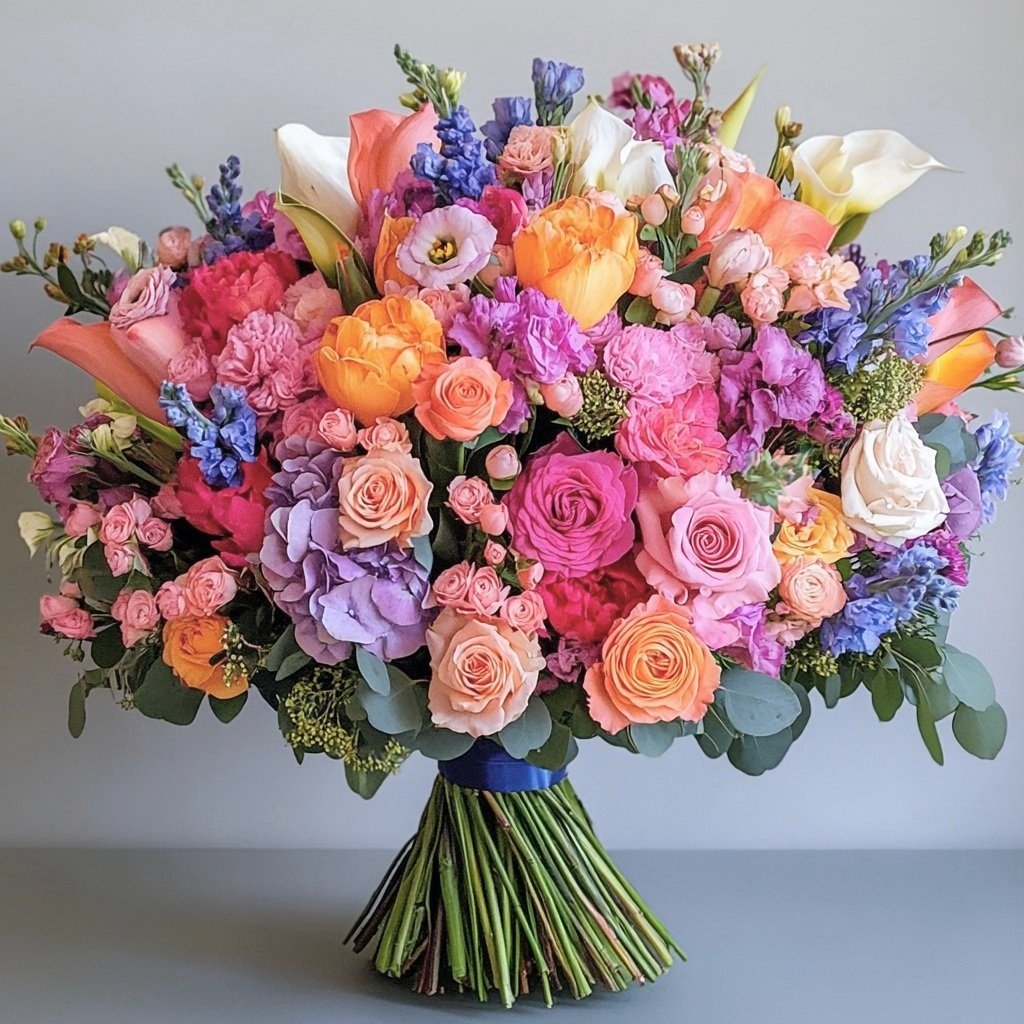
As a flower enthusiast, staying up-to-date with the latest trends, techniques, and industry insights is crucial. Fortunately, there are several exceptional florist magazines that cater to the needs of passionate flower lovers like yourself. In this Singapore flower shop guide, we'll explore the top publications that deserve a spot on your reading list.
Florists' Review
Florists' Review is a long-standing and highly respected publication in the floral industry. Published monthly, this magazine offers a comprehensive overview of the latest design trends, business strategies, and industry news. From in-depth interviews with renowned florists to detailed tutorials on innovative floral arrangements, Florists' Review is a must-read for any serious flower lover.
Flower Magazine
Flower Magazine is a visually stunning publication that celebrates the beauty and artistry of floral design. With its stunning photography and insightful articles, this magazine provides a source of inspiration for both professional florists and home enthusiasts. Whether you're looking for ideas for your next event or simply want to immerse yourself in the world of flowers, Flower Magazine is a true delight. https://www.hk-florist.org/flower-delivery
Floral Management
Floral Management is a publication geared towards the business side of the floral industry. While it may not be as visually captivating as some of the other magazines on this list, it offers invaluable insights into the operational and financial aspects of running a successful flower shop. From marketing strategies to industry trends, Floral Management is an essential read for those aspiring to or already in the floral business.
Botanical Art & Artists
For those with a particular interest in the artistic and botanical aspects of flowers, Botanical Art & Artists is a must-read. This magazine showcases the work of talented botanical artists from around the world, providing a deeper appreciation for the intricate details and natural beauty of flowers. Whether you're an artist yourself or simply appreciate the artistry of floral design, this publication is a true gem. https://www.sg-cityguide.com/journal/singapore-best-florists
Immersing yourself in these exceptional florist magazines will not only expand your knowledge but also ignite your passion for the world of flowers. Enjoy exploring these publications and let them inspire your own floral creations and appreciation for the beauty that surrounds us.
A Florist's Guide to Composition Theory
Introduction to Composition Theory
Composition theory in floristry refers to the principles that govern the arrangement of flowers and botanical elements. Understanding these principles helps create visually appealing and balanced compositions, enhancing the overall aesthetic of the arrangements. This Singapore flower shop guide explores the fundamental concepts of composition theory as it applies to floral design.
Basic Principles of Composition
1. Balance
Balance is crucial in floral arrangements, ensuring that the design feels stable and aesthetically pleasing. There are two types of balance to consider:
Symmetrical Balance: Achieved when both sides of the arrangement mirror each other. This style often exudes formality and classic elegance.
Asymmetrical Balance: Involves an unequal distribution of elements that achieves harmony through visual weight. This style is more dynamic and can convey a sense of movement.
2. Proportion
Proportion refers to the relationship between the size of the flowers, foliage, and container. Ensuring that each element is in proportion creates a harmonious and cohesive look. A common guideline is the "1:3" ratio, where the height of the arrangement should ideally be 1.5 to 2 times the height of the container.
3. Scale
Scale considers how the size of the individual components relates to each other and to the entire arrangement. When selecting flowers and foliage, consider the scale of the space where the arrangement will be displayed. Larger flowers can dominate smaller ones, so it’s important to balance them thoughtfully for visual impact.
4. Focal Point
Every successful composition should have a focal point—an area of interest that draws the viewer’s eye. This can be achieved by using a larger or more vibrant flower, or by contrasting colours or textures. Consider the positioning of the focal point in relation to the surrounding elements to maintain visual interest throughout the arrangement.
5. Rhythm
Rhythm in floral design creates a sense of movement through the repetition of elements. This can be achieved by using similar colours, shapes, or textures that guide the viewer’s eye around the arrangement. Repeating elements helps to build visual flow and engagement.
6. Harmony and Unity
Harmony refers to the overall cohesiveness of the arrangement. All elements should work together to create a unified look. This can be achieved through colour schemes, textures, and shapes. Colours that complement each other and elements that have similar textures contribute to a harmonious design.
Colour Theory in Floral Composition
Understanding colour theory is essential for creating effective floral compositions. The colour wheel can help navigate different colour combinations:
Monochromatic: Variations of a single colour, creating a sophisticated and cohesive look.
Analogous: Colours that are next to each other on the wheel, providing a serene and harmonious palette.
Complementary: Opposite colours on the wheel, creating a vibrant and energetic contrast that can add drama to arrangements.
Textures and Shapes
Incorporating various textures and shapes enhances visual interest. Mixing smooth and rough textures, as well as round and linear shapes, can create a more dynamic design. Consider adding foliage or natural elements to introduce different textures that complement the flowers.
Singapore flower tips
Understanding and applying composition theory is essential for creating exquisite floral arrangements. By mastering balance, proportion, scale, focal points, rhythm, harmony, and colour theory, florists can craft stunning designs that leave a lasting impression. Experimenting with these principles will lead to more innovative and appealing compositions, elevating your floral artistry to new heights.
Different Floristry Styles from Around the World

Floristry is an art form celebrated across cultures, each with its unique style and significance. Understanding these diverse floristry styles can enhance your appreciation for flowers and help you choose the perfect arrangement for any occasion. Below are various floristry styles from around the world.
1. Ikebana (Japan)
Ikebana is the Japanese art of flower arrangement, focusing on harmony, balance, and simplicity. Unlike Western floral design, Ikebana emphasises line, space, and natural beauty rather than full blooms. Key elements include:
Natural lines and forms
Minimalistic designs
Use of negative space
Seasonal materials
2. Dutch Floral Design (Netherlands)
Known for its lavish and opulent arrangements, Dutch floral design thrives on colour and fullness. This style often features a mix of various flowers and textures, creating vibrant displays. Characteristics include:
A wide variety of flowers, often in abundance
Bold, contrasting colours
Use of traditional round or triangular shapes
Emphasis on asymmetry
3. British Garden Style (United Kingdom)
Inspired by English country gardens, this style celebrates a romantic and organic approach to floral arrangements. British garden style combines wildflowers and garden blooms for a natural look. Features include:
Loose, informal arrangements
A mix of textures and colours
Seasonal and locally-sourced flowers
Emphasis on movement and softness
4. Mediterranean Floral Design (Southern Europe)
Mediterranean floristry captures the essence of sunny climates and vibrant landscapes. It often includes lush greenery and fragrant herbs alongside colourful blooms. Elements of this style are:
Use of natural materials such as olive branches and citrus fruits
Bold colours like terracotta, azure, and deep greens
Rustic containers that reflect coastal charm
Informal, free-flowing arrangements
5. Chinese Floral Arrangement (China)
Chinese floristry encompasses a variety of styles, each symbolically significant. This art form often utilises flowers and stems with strong cultural meanings. Key aspects include:
Symmetrical arrangements inspired by nature
Use of specific flowers representing luck and prosperity (e.g., peonies)
Incorporation of traditional vases and containers
Attention to balance and contrast in design
6. American Floral Design (United States)
American floral design incorporates a blend of various influences, often leaning towards less formal and more accessible arrangements. American florists often focus on:
Bright, cheerful colours
A combination of traditional and contemporary styles
Use of sleek vases and modern aesthetics
Emphasis on creativity and personal expression
7. Kiwi Style (New Zealand)
Kiwi floral design reflects New Zealand's unique landscape and natural beauty. This style often features native flowers and foliage set in contemporary designs. Notable features include:
Use of native blooms like pōhutukawa and flax
Minimalist arrangements with an organic aesthetic
Innovative container choices
A strong connection to the natural environment
8. Biedermeier (Germany)
Biedermeier design is a traditional floral style that emerged in 19th-century Germany. This style focuses on circular unit arrangements with a vibrant palette. Characteristics include:
Tightly packed flowers arranged into distinctive circles
Use of different flower varieties to create texture
A focus on symmetry and balance
Elegant and formal overall presentation
Send flowers Singapore
Understanding the various floristry styles from around the world enhances your appreciation for floral arrangements. Each style carries unique cultural significance and aesthetics, contributing to the rich tapestry of floral art. Whether you prefer the elegance of Ikebana or the vibrancy of Dutch design, there is a style that will suit every occasion.
A Guide to Why Singaporeans Love Luxury Flowers
1. Status Symbol
In Singapore, luxury flowers are often viewed as a status symbol. Gifting or showcasing extravagant floral arrangements reflects an individual’s affluence and taste. Exceptional arrangements made from rare or premium blooms convey a sense of sophistication that resonates with the values of many Singaporeans.
2. Special Occasions
Luxury flowers are favoured for significant events such as weddings, anniversaries, and corporate functions. Providing a stunning floral display elevates the overall experience of the occasion. Singaporeans often turn to luxury florists to find unique arrangements that impress guests and create lasting memories.
3. Quality and Freshness
When it comes to flowers, quality matters. Luxury flowers are sourced from the best growers and are often fresher than mass-produced alternatives. This focus on quality ensures that arrangements last longer and maintain their vibrancy, making them a preferred choice for discerning consumers who appreciate finer things in life.
4. Artistry and Design
Singaporeans have a growing appreciation for artistry and design in floral arrangements. Luxury florists often employ skilled artisans who combine colours, shapes, and textures to create visually stunning pieces. The level of craftsmanship involved in these arrangements resonates with those who value aesthetic beauty.
5. Customisation
Many luxury florists in Singapore offer bespoke services that allow customers to customise their floral arrangements. This personalised approach caters to individual preferences and occasions, making each bouquet a unique expression of sentiment. The ability to tailor designs enhances the appeal of luxury flowers.
6. Corporate Gifting
In the corporate sector, luxury flowers serve as impressive gifts that convey professionalism and gratitude. Businesses in Singapore often turn to high-end floral arrangements to strengthen relationships with clients and partners. The investment in luxury flowers signals respect and appreciation, reinforcing business ties.
7. Health and Well-Being
There is increasing awareness about the emotional benefits of flowers. Studies have shown that flowers can elevate mood and promote feelings of happiness. Luxury flowers, with their beauty and fragrance, are often used in homes and offices as a means of enhancing well-being. Singaporeans, who lead fast-paced lives, enjoy the calming and uplifting presence of exquisite blooms.
8. Cultural Significance
Flowers hold cultural significance in many Asian traditions, including those in Singapore. Certain flowers symbolise good fortune, love, or prosperity. Luxury flower arrangements are often chosen for their cultural meanings, making them appropriate gifts for various celebrations and rituals.
Singapore flower shops
The love for luxury flowers among Singaporeans stems from a mix of cultural importance, personal expression, and the admiration for quality and artistry. As the demand for unique and meaningful gifts continues to rise, luxury flowers will undoubtedly remain a cherished choice for both personal and corporate occasions in Singapore.