Guide to Flower Growing Regions in Scandinavia
Scandinavia, known for its stunning natural landscapes, also offers a diverse array of flower-growing regions. The varying climates, soil types, and geographical features across countries like Sweden, Norway, and Denmark create ideal conditions for numerous floral species. This florist guide highlights some of the key flower-growing regions in Scandinavia, providing insights into their unique characteristics and notable blooms.
Sweden
Södermanland
Located just south of Stockholm, Södermanland is renowned for its lush meadows and fertile soil. The region is ideal for cultivating a variety of flowers, including peonies, dahlias, and various wildflowers. The mild weather, combined with ample rainfall, allows for a longer growing season, making it a prime area for flower production.
Skåne
As the southernmost province of Sweden, Skåne enjoys a temperate climate with warm summers. This region is particularly known for its extensive rose farms and is often referred to as the "Garden of Sweden." Additionally, Skåne produces a range of annuals and perennials, thriving in the nutrient-rich soil.
Norway
Telemark
This region is famous for its stunning fjords and mountainous terrain, but it also offers an unexpected haven for flower cultivation. The mild coastal climate and well-drained soils support the growth of alpine flowers such as gentians, saxifrages, and other hardy perennials. Telemark’s unique microclimates enable growers to experiment with various species.
Vestfold
Nestled along the fjord, Vestfold has a rich agricultural heritage. The region's mild summers and moderate winters facilitate the growth of a diverse range of flowers, particularly lilies and tulips. Local farms often participate in floral festivals, showcasing their vibrant blooms to the public.
Denmark
Jutland
The largest region in Denmark, Jutland is characterised by its sandy soils and favourable climate. It is well-known for its extensive flower fields, particularly tulips and daffodils. The region’s flat terrain allows for large-scale cultivation, making it a significant player in Denmark’s flower market.
Funen
Often referred to as the 'Garden Island', Funen is celebrated for its rich agricultural landscape and abundance of gardens. The region's diverse microclimates support a wide range of flower species, including roses, peonies, and geraniums. Funen's gardens are a major attraction, drawing visitors eager to experience its floral beauty.
Singapore flower delivery recommendations
The flower-growing regions of Scandinavia showcase a rich tapestry of floral diversity, supported by the unique climates and landscapes of each area. Whether it's the rose fields of Skåne or the alpine blooms of Telemark, these regions offer invaluable insights into the thriving floristry culture of Northern Europe. As global interest in sustainable and native plants continues to rise, the importance of these regions in the flower industry remains pivotal.
Guide to the Best Flowers for a Romantic Flower Bouquet

Creating a romantic flower bouquet requires careful selection of blooms that convey love, affection, and passion. Here is a florist’s guide to some of the best flowers for crafting the perfect romantic arrangement.
1. Roses
Meaning: Love and passion.
Varieties: Classic red roses for deep love; pink roses for admiration; white roses for purity and new beginnings.
Tips: Combine different colours for an eye-catching arrangement.
2. Tulips
Meaning: Perfect love.
Varieties: Available in various colours; choose red for love and joy, or purple for royalty.
Tips: Pair with greenery for a lush look.
3. Lilies
Meaning: Passion and devotion.
Varieties: Stargazer lilies offer a bold fragrance, while white lilies signify purity.
Tips: Mix with smaller flowers to create depth.
4. Peonies
Meaning: Romance and prosperity.
Varieties: Soft pink and coral hues evoke sweetness and charm.
Tips: Best used in spring and early summer; they make a lush focal point.
5. Orchids
Meaning: Exotic beauty and strength.
Varieties: Phalaenopsis and Cymbidium are both stunning choices.
Tips: Use as a focal flower with softer blooms for contrast.
6. Carnations
Meaning: Fascination and love.
Varieties: Soft pinks and reds are ideal for romantic bouquets.
Tips: Their ruffled petals add texture and volume.
7. Daisies
Meaning: Innocence and purity.
Varieties: Gerbera daisies in bold colours bring cheerfulness.
Tips: Perfect for a more casual, playful bouquet.
8. Sunflowers
Meaning: Adoration and loyalty.
Varieties: Bright yellow sunflowers can add a cheerful touch.
Tips: Pair with darker blooms for a striking contrast.
9. Freesia
Meaning: Innocence and friendship.
Varieties: Known for their sweet fragrance and vibrant colours.
Tips: Combine with roses for an elegant touch.
10. Hydrangeas
Meaning: Gratitude and understanding.
Varieties: Blue, pink, or white can add softness to any bouquet.
Tips: Use as a filler to create a voluminous look.
Arrangement Tips
Balance: Mix large blooms with small flowers to create a dynamic arrangement.
Foliage: Incorporate greenery such as eucalyptus or ferns for texture and depth.
Vase Selection: Choose a vase that complements the bouquet, whether tall and elegant or short and rustic.
When creating a romantic bouquet, consider the recipient’s preferences and the occasion. With these floral selections and tips, you can craft a stunning arrangement that expresses your feelings beautifully.
Thesis on Flower Arrangement Theory
Abstract
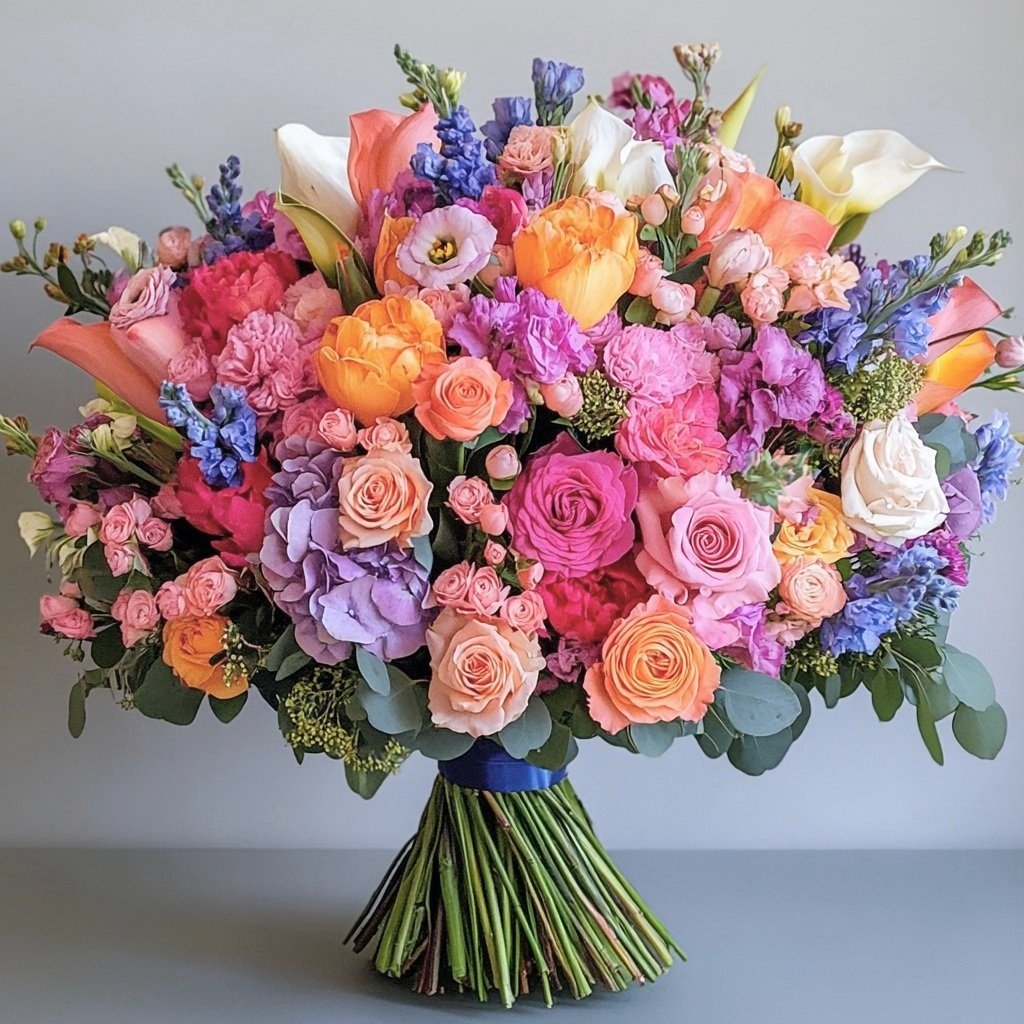
This thesis examines the principles and theories underlying the art and science of flower arrangement. Flower arranging is an ancient art form that combines aesthetic, cultural, and psychological elements to communicate moods, themes, and symbolism through floral displays. By blending historical influences, design principles, and modern trends, flower arrangement theory offers insights into how arrangements can be crafted to enhance both beauty and meaning. This study explores the theoretical frameworks that inform flower arrangement, delving into design principles, cultural significance, and psychological effects on viewers. The goal of this thesis is to provide a comprehensive understanding of flower arrangement theory and establish a foundation for further research and practice in floral design.
Table of Contents
1. Introduction
2. Historical and Cultural Contexts of Flower Arrangement
3. Principles of Flower Arrangement Design
4. Styles of Flower Arrangement
5. Materials and Techniques
6. Psychology of Flower Arrangement
7. Contemporary Trends and Applications
8. Conclusion
9. References
Chapter 1: Introduction
Flower arrangement is a creative practice that involves arranging flowers and foliage in a way that is aesthetically pleasing and harmonious. Flower arrangement theory encompasses a wide range of principles and approaches that guide floral artists in achieving balance, rhythm, and unity in their creations. This thesis aims to provide a comprehensive understanding of the theories behind flower arrangement, examining its historical and cultural origins, the guiding design principles, styles, and modern trends in the field.
The research questions addressed include:
- What are the fundamental principles of flower arrangement design?
- How do cultural and historical contexts influence flower arrangement styles?
- How do flower arrangements affect the emotions and perceptions of viewers?
Chapter 2: Historical and Cultural Contexts of Flower Arrangement
2.1 Ancient Roots of Flower Arrangement
The art of flower arrangement dates back to ancient civilizations. In ancient Egypt, flowers such as lotus blossoms were arranged in vases as offerings for the gods. In ancient China, flower arranging became associated with Taoism and Buddhism, emphasizing harmony with nature.
2.2 Ikebana: Japanese Influence
Ikebana, the Japanese art of flower arrangement, holds a special place in flower arrangement theory. With an emphasis on simplicity, asymmetry, and symbolism, Ikebana emphasizes spiritual and natural harmony, creating a distinctive style that has influenced floral design globally.
2.3 Western Floral Design: European Influences
European floral traditions have evolved through distinct styles, from the opulent Baroque and Rococo eras to the minimalist designs of the modern era. The Victorian language of flowers, or “floriography,” introduced symbolic meanings to flower arrangements, influencing how flowers communicate messages today.
Chapter 3: Principles of Flower Arrangement Design
3.1 Balance
Balance in flower arrangement can be either symmetrical or asymmetrical. Symmetrical balance gives a sense of formality and structure, while asymmetrical balance offers dynamism and organic flow.
3.2 Proportion and Scale
Proportion refers to the relative sizes of elements in an arrangement, while scale refers to the size of the arrangement in relation to its setting. Attention to proportion and scale ensures that arrangements are harmonious and suited to their environments.
3.3 Rhythm and Movement
Rhythm in flower arrangement refers to the visual flow and movement within an arrangement. It is achieved by placing elements in a way that guides the viewer's eye through the design. Techniques such as repetition, gradation, and variation contribute to rhythm.
3.4 Contrast and Harmony
Contrast is achieved by combining elements with differing colors, textures, or forms to create visual interest, while harmony ensures that all elements work together cohesively. The interplay of contrast and harmony is fundamental to successful floral designs.
3.5 Unity
Unity is the overarching principle that brings all elements together to create a coherent and complete arrangement. Effective unity in a floral arrangement is achieved when all components work in harmony toward a central theme or aesthetic goal.
Chapter 4: Styles of Flower Arrangement
4.1 Traditional European Style
This style is characterized by dense, symmetrical arrangements with a focus on color harmony and variety. It often involves rounded or triangular shapes and showcases opulent blooms.
4.2 Ikebana: Japanese Minimalism
Ikebana is distinguished by its minimal use of flowers, focus on line and space, and the representation of natural beauty. This style is guided by the principle of “less is more,” with an emphasis on spirituality and symbolic meaning.
4.3 Modern and Contemporary Styles
Modern flower arrangements are marked by abstract forms, minimalism, and innovative use of materials. Contemporary styles often challenge traditional rules by incorporating non-traditional materials and asymmetrical compositions.
Chapter 5: Materials and Techniques
5.1 Flower and Foliage Selection
Selecting flowers and foliage is a critical step that affects the aesthetics, symbolism, and longevity of an arrangement. Flowers are chosen not only for their color and shape but also for their seasonal availability and symbolism.
5.2 Floral Mechanics and Construction
The mechanics of flower arranging include tools and techniques used to stabilize and structure an arrangement. Floral foam, wire, and vases are commonly used, but sustainable practices are increasingly popular, with a focus on reducing waste.
5.3 Techniques for Arrangement
Techniques vary widely, from classic methods like bundling and weaving to advanced techniques such as armature construction. Each technique contributes to the overall aesthetic and structural integrity of the design.
Chapter 6: Psychology of Flower Arrangement
6.1 Emotional Impact of Colors
Colors evoke specific emotions and associations. For instance, warm colors like red and yellow can stimulate excitement and warmth, while cool colors like blue and green are associated with calm and tranquility.
6.2 Symbolism and Communication
Flower arrangements can communicate messages and emotions through the selection and positioning of blooms. Red roses often symbolize love, while lilies might represent purity or mourning. Understanding these associations enhances the emotional depth of an arrangement.
6.3 Effect on Mental Health and Well-being
Studies have shown that exposure to flowers and natural beauty positively impacts mental health by reducing stress and improving mood. Flower arrangements in therapeutic settings can provide comfort and promote relaxation.
Chapter 7: Contemporary Trends and Applications
7.1 Sustainable Floral Design
With the rise of environmental consciousness, sustainable practices in flower arrangement are gaining prominence. Techniques such as using locally sourced flowers, reducing floral foam use, and recycling containers are becoming more widespread.
7.2 Digital Media and Flower Arrangement
The influence of digital platforms has transformed flower arrangement into a global art form, with trends like floral installations and large-scale designs shared on social media. This has expanded the reach and creative possibilities of flower arrangement, encouraging innovation.
7.3 Therapeutic and Community Uses
Flower arrangement is increasingly being used in therapy and community-building activities. Workshops and classes offer opportunities for creative expression and stress relief, fostering connections among participants and communities.
Chapter 8: Conclusion
Flower arrangement is a multifaceted art that combines aesthetic, cultural, and psychological elements. Through exploring the principles, styles, materials, and contemporary trends, this thesis highlights the depth and significance of flower arrangement theory. As floral design continues to evolve, it will remain a powerful medium for personal expression, cultural representation, and emotional connection.
References
A comprehensive list of academic journals, books, and other resources related to floral design, horticulture, art theory, and cultural studies that informed this thesis will be included in the full text. These sources offer a thorough foundation for understanding the historical, theoretical, and practical aspects of flower arrangement theory.
A Guide to the Best Places for Luxury Shopping in Singapore
Singapore is renowned for its vibrant shopping scene, particularly when it comes to luxury retail. Below is a detailed guide to some of the finest locations for luxury shopping in this cosmopolitan city.
1. Orchard Road
Description: Orchard Road is Singapore's most famous shopping street, offering a plethora of high-end stores and boutiques. It is a bustling area filled with shopping malls, such as ION Orchard, Takashimaya, and Paragon, featuring brands like Louis Vuitton, Gucci, and Chanel.
Highlights:
ION Orchard: A striking architectural marvel housing luxury brands and designer labels.
Paragon: Offers a mix of fashion, lifestyle, and beauty brands in an upscale setting.
2. Marina Bay Sands
Description: Marina Bay Sands is not only an iconic landmark but also a luxurious shopping destination. The Shoppes at Marina Bay Sands features an impressive lineup of designer boutiques and offers a unique shopping experience with its canal running through the complex.
Highlights:
The Shoppes: Home to an extensive list of luxury brands, including Prada, Bottega Veneta, and Versace.
Dining: After shopping, indulge in a range of fine dining options available within the complex.
3. Raffles Hotel Arcade
Description: Raffles Hotel combines history with luxury, and its shopping arcade is no exception. This colonial-style structure houses exclusive brands and boutiques that cater to discerning shoppers.
Highlights:
Luxury Homegrown Brands: Explore Singapore’s finest crafts and products at retailers like Raffles Hotel’s own boutique.
Unique Offerings: Discover artisanal goods and bespoke items that can only be found here.
4. Tangs at Tang Plaza
Description: Established in 1932, Tangs is one of Singapore's oldest department stores, boasting a dedicated luxury section filled with international designer brands. It is located at Tang Plaza, adjacent to Orchard Road.
Highlights:
Designer Fashion: Find collections from both established and emerging designers.
Curated Experience: Enjoy an inviting atmosphere with attentive service and an array of luxury goods.
5. Hilton Singapore Orchard
Description: Recently revamped, Hilton Singapore Orchard now features a modern mix of luxury retail spaces. Here, shoppers can find a selection of top-tier international brands alongside local labels.
Highlights:
Stylish Environment: A chic setting that enhances the shopping experience.
Customized Services: Personalised shopping services are available for an exclusive experience.
6. VivoCity
Description: Although it is more known for its wide range of shopping options, VivoCity also hosts a selection of luxury brands. It is the largest shopping mall in Singapore and offers a variety of entertainment and dining choices.
Highlights:
Luxury Stores: Discover brands like Coach and Michael Kors.
Scenic Views: Enjoy waterfront views while shopping or dining.
7. Capitol Singapore
Description: Capitol Singapore is a shopping and entertainment hub that includes luxurious retail options. The integrated development boasts a blend of heritage and modernity.
Highlights:
Exclusive Brands: Delve into luxury retail offerings from brands such as Givenchy and Miu Miu.
Cultural Experience: Experience the historic side of Singapore while enjoying modern shopping amenities.
Shopping recommendations
Singapore offers a magnificent array of luxury shopping destinations that cater to various tastes and preferences. From the bustling Orchard Road to the elegant Marina Bay Sands, shoppers can indulge in top-tier brands and unique experiences that reflect the city’s sophistication and style. Whether you are a local or a visitor, these locations promise an unparalleled luxury shopping experience.
Guide to Flower Varieties from Kenya
Kenya is renowned for its diverse flora, which is often sought after for floristry due to its vibrant colours, unique shapes, and robust growth. Here is a selection of some notable flower varieties that originate from this East African nation:
1. Roses
Varieties: Kenya produces a wide range of rose varieties, including classic long-stemmed roses, spray roses, and garden roses.
Characteristics: Notable for their large blooms, vibrant colours, and durability, Kenyan roses are popular for both bouquets and arrangements. They are available in various hues, including red, pink, yellow, and white.
2. Gerbera Daisies
Varieties: Available in numerous colours, including bright reds, deep oranges, sunny yellows, and soft pastels.
Characteristics: Known for their large, bold flower heads and sturdy stems, gerberas are commonly used in mixed bouquets and arrangements, adding a pop of colour and cheer.
3. Lilies
Varieties: The Asiatic and Oriental lilies are particularly prominent, offering a range of colours and fragrance.
Characteristics: With their striking blooms and varying petal shapes, lilies create a dramatic effect in arrangements. Their sweet scent makes them popular for special occasions.
4. Alstroemeria (Peruvian Lily)
Varieties: These come in colours such as pink, orange, yellow, and purple, often with distinctive markings.
Characteristics: Known for their longevity and resilience, alstroemeria adds colour and texture to bouquets. They have a delicate appearance but are quite hardy.
5. Carnations
Varieties: Available in a spectrum of colours, including variegated and striped options.
Characteristics: Carnations are appreciated for their ruffled petals and long-lasting nature. They are versatile and can be used for both formal and casual arrangements.
6. Sunflowers
Varieties: Primarily the classic yellow sunflower, but also available in darker-centred varieties.
Characteristics: Sunflowers are known for their large, cheerful heads and sturdy stems. They evoke warmth and are often used to convey feelings of happiness.
7. Freesia
Varieties: Commonly found in yellow, white, pink, and purple.
Characteristics: Freesia is renowned for its sweet scent and delicate tubular flowers. They are often used in bouquets and make a perfect accompaniment to other blooms.
8. Orchids
Varieties: Kenya is home to various orchid species, including Dendrobiums and Phalaenopsis.
Characteristics: Known for their exotic appearance and unique shapes, orchids are often used in luxury arrangements and as focal points due to their elegant forms.
9. Bougainvillea
Varieties: Various colours including pink, purple, red, and white.
Characteristics: Although technically a vine, bougainvillea is popular for its vibrant bracts and is often used in floral arrangements for a tropical touch.
Singapore flower delivery summary
Kenya’s flower varieties are distinguished by their quality and beauty. With an emphasis on colour, durability, and unique characteristics, these flowers make an excellent choice for any floral arrangement or special occasion. Whether you are crafting bouquets or centrepieces, the diverse blooms from Kenya offer something for every design aesthetic.
How Florists Can Help Consult You on Your Dream Wedding

Creating the perfect wedding bouquet and floral arrangements is an essential part of designing your dream wedding. Here’s how Singapore florists can assist in making your vision a reality:
1. Initial Consultation
Schedule an initial meeting with your florist to discuss your vision and ideas. This is the time to share details about your wedding theme, colours, and any specific flowers you adore. Florists can help refine your ideas and suggest trends that match your desires.
2. Budgeting
A professional florist can provide insights into how much different floral arrangements and services will cost. Discuss your budget openly during your consultation so that they can tailor their recommendations accordingly.
3. Floral Design Concepts
Florists are skilled in creating cohesive designs. They can present various floral design concepts that align with your style. This includes centrepieces, bouquets, boutonnieres, and flower arrangements for ceremony locations and reception venues.
4. Seasonal Flower Suggestions
Florists have expert knowledge of flower availability and seasonal choices. They can recommend blooms that are not only beautiful but also in season during your wedding date, which may offer both cost savings and optimal freshness.
5. Arrangement and Styling
Once the selections are made, a florist will assist in styling your arrangements in a way that complements your overall décor. They can provide advice on vase choices, placement, and additional decorative elements that enhance the floral displays.
6. Coordination with Other Vendors
A good florist will coordinate with other vendors, such as wedding planners, venue managers, and even photographers. They can ensure that your floral arrangements fit seamlessly into the overall timeline and layout of the event.
7. Delivery and Setup
On your wedding day, florists manage the logistics of delivering and setting up the arrangements. This includes transporting the flowers to the venue and ensuring every piece is precisely positioned for maximum visual impact.
8. Post-Wedding Services
Some florists offer post-wedding services, such as preserving wedding bouquets or repurposing floral arrangements for other events. This can add extra value and sentiment to your floral investment.
Singapore flower delivery
Collaborating with a florist who understands your vision can turn your dream wedding into a stunning reality. By taking advantage of their expertise, you can ensure that every bloom reflects your personal style and enhances the beauty of your special day.
A Guide to the Most Prestigious Flower Growing Regions Around the World

1. Holland (The Netherlands)
Holland is world-renowned for its exceptional flower production, particularly tulips. The Keukenhof Gardens are a testament to the country's floral expertise, showcasing millions of blooms every spring. The Aalsmeer Flower Auction, the largest in the world, plays a crucial role in the global flower trade. The rich soil and moderate climate make it an ideal region for cultivating various flowers, including lilies, daffodils, and hyacinths.
2. Ecuador
Ecuador is celebrated for its exquisite roses, particularly those in striking colours and impressive sizes. The high altitudes and fertile volcanic soil contribute to the unique quality of Ecuadorian roses. The country’s flower industry has become a significant exporter, with flowers grown in regions like Cayambe and Ibarra being shipped worldwide, often reaching international markets within a day.
3. Colombia
Colombia’s diverse climate allows for the cultivation of a wide variety of flowers year-round. With a focus on roses, carnations, and orchids, the region of Antioquia is particularly noted for its floral exports. The proximity to the equator ensures consistent day lengths, contributing to robust growth and vibrant colours, making Colombian flowers a staple in global floristry.
4. France
In France, the region of Grasse is famously known as the perfume capital, but its picturesque landscapes also produce stunning flowers like roses and jasmine. The French Riviera’s climate is perfect for cultivation, and the flowers are frequently used in high-end floristry as well as perfume production, highlighting the integral relationship between floral production and luxury markets.
5. Japan
Japan's cultivation of cherry blossoms is emblematic of its rich floral heritage. Beyond cherry blossoms, the country produces a variety of flowers such as chrysanthemums and peonies. Regions like Kanto and Kansai are notable for their agricultural practices. The significance of flowers in Japanese culture, symbolising beauty and transience, ensures a deep respect and dedication to floral aesthetics and quality.
6. United States
The state of California leads the charge in flower production in the United States, particularly in the regions of San Diego and Santa Barbara. Known for a vast range of flowers, including marigolds, roses, and sunflowers, California’s diverse climate allows for extensive agricultural opportunities. The state's floral industry contributes significantly to seasonal celebrations, with flowers being a major component of American festivities.
7. India
India is recognised for its vibrant and diverse array of flowers, such as marigolds, hibiscus, and jasmine. Regions like Karnataka and Tamil Nadu are notable for flower farming, providing blooms for local celebrations, weddings, and festivals. The subcontinent's rich traditions often incorporate flowers into various cultural practices, adding to the significance of floral cultivation.
8. Kenya
Kenya has emerged as a significant player in the global flower market, particularly for its high-quality roses and other blooms. The cooler highland regions near Lake Naivasha offer ideal growing conditions. Kenya’s commitment to sustainable farming practices has made it a preferred source for eco-conscious markets, solidifying its reputation in international floriculture.
Each of these regions brings unique characteristics, climates, and traditions that influence the cultivation of flowers, contributing to the global floral landscape. Their prestige is not just in the quality of flowers produced but also in the cultural significance and expertise behind their cultivation. Whether for luxury bouquets or personal celebrations, these regions set the standard for floral excellence worldwide.
Guide to Modern Vessel Shapes for Avant-Garde Flower Bouquets

When it comes to creating avant-garde flower arrangements, the choice of vessel plays a crucial role. The right modern vessel can elevate an unconventional bouquet, adding a striking visual element that complements the artistry of the flowers themselves. Here is a detailed SG florist guide on various modern vessel shapes that are ideal for avant-garde arrangements:
1. Geometric Vessels
Shapes: Cubes, pyramids, and hexagons.
Characteristics: Clean lines and sharp angles that offer a contemporary feel.
Ideal For: Bold, structured arrangements that emphasise symmetry. Use contrasting flowers to create visual tension and highlight the geometric form.
2. Organic Forms
Shapes: Asymmetrical, free-flowing shapes inspired by nature.
Characteristics: Soft curves and irregular silhouettes.
Ideal For: Naturalistic arrangements that embrace wildflower aesthetics. These vessels support spontaneity, allowing flowers to flow freely and create a sense of movement.
3. Minimalist Cylinders
Shapes: Simple, sleek cylinders in varying heights.
Characteristics: Unembellished design that allows the flowers to take centre stage.
Ideal For: Elegant, sophisticated bouquets where the focus is on the colour and texture of the blooms. Tall cylinders can showcase elongated flowers or cascading designs.
4. Statement Sculptures
Shapes: Artistic sculptures such as twisted metals or uniquely shaped ceramics.
Characteristics: Eye-catching designs that can serve as standalone art pieces.
Ideal For: Dramatic arrangements that require a bold backdrop. These vessels can support extravagant floral designs, creating a striking focal point for any space.
5. Multi-Tiered Vessels
Shapes: Stacked or tiered arrangements that create varying levels.
Characteristics: Adds dimension and depth to arrangements.
Ideal For: Complex designs with varied flower types. Each tier can highlight different colours and textures, creating a layered effect.
6. Transparent and Translucent Containers
Shapes: Glass or acrylic vessels in various forms.
Characteristics: Allow visibility of the stems and water while enhancing the bouquet's luminosity.
Ideal For: Arrangements that utilise vibrant colours. The transparency can add an ethereal quality, making flowers appear to float.
7. Bowl and Dish Vessels
Shapes: Shallow bowls or wide dishes for expansive designs.
Characteristics: Low profile allowing for an abundant spread of flowers across the surface.
Ideal For: Lush, overflowing arrangements with a more relaxed feel. Perfect for informal gatherings and settings where guests can appreciate the design from above.
8. Conical Vessels
Shapes: Tapered towards the base, resembling a cone.
Characteristics: Central point for flower placement, creating a tapered silhouette.
Ideal For: Vertical arrangements or minimalist designs. Conical shapes can enhance the height of floral displays while allowing for easy accessibility and visibility.
Singapore flower delivery
Selecting the right vessel shape is paramount in the design of avant-garde flower bouquets. Each of these modern vessel shapes offers unique qualities that can enhance the overall aesthetic of the arrangement. By thoughtfully considering both the flowers and the vessel, you can create breathtaking designs that push the boundaries of traditional floral art.
A Guide to Choosing a Flower Bouquet to Complement Your Vase
When selecting a flower bouquet to complement your vase, it's essential to consider various factors, including size, shape, colour, and occasion. Follow this Singapore florist guide to make an informed choice.
1. Assess the Size of Your Vase
Tall Vases: For tall vases, opt for long-stemmed flowers with an open shape, such as lilies, sunflowers, or delphiniums. These blooms will create a dramatic effect and fill the height of the vase.
Short Vases: For shorter or round vases, choose compact flowers like roses, peonies, or daisies. These types of blooms tend to work well in arrangements that don’t need height but rather a fuller appearance.
2. Consider the Shape of the Vase
Narrow Vases: Select flowers that can be clustered together, such as tulips or irises. This will prevent the arrangement from looking sparse.
Wide Vases: A variety of blooms can work in a wide vase, allowing for a more expansive bouquet. Use a mix of flowers and greenery to create fullness.
3. Choose a Colour Palette
Complementary Colours: Select flowers that enhance or complement the colour of your vase. For example, if your vase is a neutral shade (like white or beige), vibrant colours like red or purple will stand out beautifully.
Monochromatic Scheme: For vases in bold colours, consider using flowers in varying shades of the same colour for a harmonised and sophisticated look.
4. Think About the Occasion
Formal Events: For elegant occasions, consider luxurious blooms like orchids or calla lilies arranged in a sleek vase.
Casual Gatherings: For more relaxed settings, cheerful and colourful flowers such as daisies or wildflowers in a rustic vase can create a laid-back atmosphere.
5. Seasonality Matters
In-Season Flowers: Choosing flowers that are in season will not only ensure freshness but also consistency with the natural colour palette of the time of year. Spring might favour tulips and daffodils, while autumn leans towards chrysanthemums and dahlias.
6. Texture and Variety
Mix Textures: Incorporate a variety of textures by mixing smooth, large blooms with smaller flowers and foliage. This adds visual interest and depth to the arrangement.
Limit Variety: Aim for a cohesive look by limiting the types of flowers used. A bouquet with three to five different flower types can still create an elegant appearance.
7. Maintenance and Longevity
Care Considerations: Think about how much maintenance you are willing to commit to. If you prefer low-maintenance, choose hardy flowers like carnations or chrysanthemums, which last longer and require less attention.
8. Final Touches
Accessorise: Consider adding elements like greenery, berries, or decorative twigs to enhance your bouquet and align it with the style of your vase.
Rearrangement: After arranging, step back to view the bouquet from different angles, making necessary adjustments to achieve balance and aesthetics.
By considering these factors, you can choose a flower bouquet that beautifully complements your vase, enhancing both the flowers and the overall decor.
A Guide to Festivals in Singapore Celebrated with Flowers

Singapore’s vibrant cultural tapestry is reflected in its festivals, many of which incorporate the beauty of flowers. This florist guide highlights key festivals where flowers play a prominent role.
1. Chinese New Year (Chunjie)
When: January/February
Chinese New Year is one of the most significant festivals in Singapore. The tradition of giving and displaying flowers during this period symbolises prosperity and good fortune. Popular flowers include:
Orchids: Symbolising fertility and growth.
Peach Blossoms: Representing romance and renewal.
Chrysanthemums: Associated with longevity and happiness.
During the celebrations, floral decorations can be seen adorning homes, streets, and public spaces.
2. Hari Raya Puasa
When: Varies according to the Islamic lunar calendar
Hari Raya marks the end of Ramadan and is celebrated with vibrant decorations and gatherings. Flowers are often used in home decorations, particularly:
Kembang Paya (a type of local flower): Used in traditional Malay floral arrangements.
Daisy and Marigold: Symbolising new beginnings and prosperity.
Communities often come together to create stunning floral displays in their homes to welcome friends and family.
3. Deepavali
When: Varies according to the Hindu lunar calendar
The Festival of Lights is celebrated with beautiful floral arrangements as a part of the decoration for homes and public spaces. Key flowers include:
Marigolds: Symbolising auspiciousness and prosperity.
Jasmine: Associated with purity and divine love.
Floral rangoli, intricate designs made with flowers and coloured powders, can be found at many households, showcasing creativity and cultural heritage.
4. Singapore Orchid Festival
When: Annually in July
Held at the National Orchid Garden, this festival celebrates Singapore’s national flower, the Vanda Miss Joaquim. The event features stunning displays of orchids from around the world, attracting both locals and tourists. It serves as a wonderful exhibition of floral creativity and horticultural excellence.
5. Singapore Flower Show
When: Occurs biennially, typically in August
The Singapore Flower Show is a major event that showcases an array of floral exhibits from various horticulturalists. It provides a platform for both commercial growers and hobbyists to display their floral masterpieces. The show often includes:
Floral displays and competitions: Featuring stunning arrangements and innovative designs.
Workshops: For enthusiasts to learn about flower arrangement and care.
6. Mid-Autumn Festival
When: September/October
Though primarily known for lanterns, the Mid-Autumn Festival is also celebrated with flowers, particularly mooncakes adorned with floral motifs. Flowers commonly associated with this festival include:
Chrysanthemum: Symbolising joy and harmony.
Lotus: Representing purity and enlightenment.
Families often gather to appreciate the full moon, and floral arrangements enhance the celebratory atmosphere.
Singapore florist tips
Flowers enrich the celebratory spirit of these festivals in Singapore, acting as symbols of love, prosperity, and community. Whether through traditional decorations or beautiful arrangements, they play a crucial role in enhancing the festive atmosphere.
Guide to Popular Bouquet Styles in Singapore
Singapore's vibrant floral scene reflects both cultural diversity and artistic expression. Here are some of the most popular bouquet styles that capture this essence:
1. Classic Round Bouquet
The classic round bouquet is a timeless choice, characterised by its symmetrical shape and lush, compact arrangement. It typically features a harmonious blend of flowers such as roses, lilies, and seasonal blooms, often arranged in a way that highlights each flower's beauty. This style is perfect for weddings and formal events.
2. Cascading Bouquet
Cascading bouquets convey elegance and sophistication. This style features longer stems and trailing flowers that create a waterfall effect, making it ideal for brides looking to make a statement. Typically incorporating flowers like orchids, fern fronds, and even delicate vines, this bouquet adds a touch of romance and whimsy.
3. Hand-Tied Bouquet
The hand-tied bouquet is a more relaxed, informal style that celebrates the natural beauty of flowers. Stems are gathered together without much manipulation, allowing for a free and organic look. Common flowers used include wildflowers, sunflowers, and greenery, making this style popular for both casual gatherings and outdoor events.
4. Posy Bouquet
Small and youthful, posy bouquets consist of a compact cluster of flowers and typically feature a mix of colours and textures. These bouquets are popular for bridesmaids and as gifts, offering a cheerful touch with blossoms such as daisies, tulips, and peonies. Their modern aesthetic suits a variety of occasions.
5. Foilage-Only Bouquet
Emphasising greenery, foliage-only bouquets are rising in popularity as they highlight the beauty of plants without relying solely on blooms. Ferns, eucalyptus, and other textured leaves are often used, creating a fresh and sophisticated look. This style is perfect for those seeking something unique and eco-friendly.
6. Tropical Bouquet
Reflecting Singapore's lush climate, tropical bouquets incorporate exotic flowers such as anthuriums, birds of paradise, and hibiscus. These vibrant arrangements burst with colour and character, making them a popular choice for festive occasions, celebrations, or corporate events, adding a touch of the tropics to any setting.
7. Themed Bouquets
Themed bouquets allow for personal expression and creativity, with arrangements tailored to specific styles, colours, or motifs. Whether for a birthday celebration, anniversary, or holiday, these bouquets can be customised to reflect individual preferences, often incorporating unique elements like charms, ribbons, or themed accessories.
SG flower delivery
Singapore’s floral market offers a rich variety of bouquet styles, catering to different tastes and occasions. Whether choosing a classic arrangement for a formal gathering or a tropical display for a casual event, the right bouquet can elevate the experience and add a personal touch to any celebration.
Guide to Flower Growing Regions in North and Central America
North America
1. California
Climate: Mediterranean climate with mild, wet winters and hot, dry summers.
Notable Regions:
Central Coast: Known for its abundance of roses, tulips, and lilies.
Southern California: Home to diverse flower farms that produce chrysanthemums, gerbera daisies, and sunflowers.
Growing Seasons: Year-round growing season, with peak blooms occurring spring through autumn.
2. Florida
Climate: Humid subtropical climate, ideal for vibrant colour and lush growth.
Notable Regions:
Southern Florida: A major producer of tropical flowers such as orchids, hibiscus, and anthuriums.
Central Florida: Known for its large-scale production of cut flowers, including carnations and alstroemerias.
Growing Seasons: Typically features two growing seasons, with peaks in spring and autumn.
3. Washington
Climate: Oceanic climate with mild temperatures and ample rainfall.
Notable Regions:
Skagit Valley: Famous for tulip festivals; produces a wide range of spring-blooming flowers.
Puget Sound Region: Known for cut flowers like dahlias and peonies.
Growing Seasons: Primarily spring through summer for most blooms.
4. Texas
Climate: Varied climate ranging from arid in the west to humid in the east.
Notable Regions:
Hill Country: Produces wildflowers, including bluebonnets and Indian paintbrush.
East Texas: Known for gardenia, magnolia, and azalea.
Growing Seasons: Spring and early summer are peak blooming times, with some varieties blooming into autumn.
Central America
1. Costa Rica
Climate: Tropical climate with a distinct wet and dry season.
Notable Regions:
San José: The heart of flower production, including orchids and bromeliads.
Heredia and Alajuela: Noted for their vast coffee plantations that also incorporate flower growing.
Growing Seasons: Flowers can be cultivated year-round, with the best blooms during the dry season from December to April.
2. Panama
Climate: Tropical climate, with warm temperatures and high humidity levels.
Notable Regions:
Chiriquí Province: Well-known for its orchid farms and vibrant flower markets.
Panama City: Features a mix of tropical flowers, including heliconias and anthuriums.
Growing Seasons: Year-round cultivation, with the rainy season allowing for rich growth.
3. Honduras
Climate: Tropical climate with lush vegetation in the coastal areas and higher elevations.
Notable Regions:
Santa Bárbara: Known for its production of roses and lilies.
La Paz: Home to various flower farms focusing on cut flowers.
Growing Seasons: Mainly from November to May, aligning with drier months.
Florist tips
Understanding the diverse flower growing regions in North and Central America allows for better appreciation and selection of floral varieties suitable for various occasions. Whether one is seeking the vibrant blooms of California or the tropical elegance of Costa Rica, these regions offer an array of blossoms that can enhance any floral arrangement.
Guide to Flower Growing Regions in South America
South America boasts a diverse range of climates and ecosystems, making it an ideal region for cultivating a wide variety of flowers. Below are some of the key flower growing regions across the continent:
1. Colombia
Colombia is one of the largest flower producers in the world, particularly known for its vibrant roses, carnations, and orchids. The climatic conditions in regions such as:
Cundinamarca: The high-altitude areas, especially around Bogotá, provide ideal conditions for growing a variety of flowers.
Antioquia: Known for its lush landscapes, this region is famous for its quality floriculture, particularly for exotic flowers.
2. Ecuador
Ecuador is renowned for its unique and high-quality floral products, especially roses of various colours and sizes. Key areas include:
Quito: The capital city is surrounded by valleys that produce a vast array of flowers, thanks to its high elevation and rich volcanic soil.
Sierra Region: The temperate climate in areas such as Tungurahua and Chimborazo allows for a diverse range of blossoms.
3. Brazil
Brazil’s vast landscape supports numerous flower-growing regions, particularly in:
São Paulo: The state produces a range of flowers including orchids and bromeliads, benefiting from a humid subtropical climate.
Minas Gerais: This region is known for its diverse floral production, particularly gardenias and chrysanthemums.
4. Chile
Chile's unique geography and climate make it favourable for various flower species, especially in:
Valparaíso Region: Known for its striking coastal climate, this area is an excellent location for growing many types of flowers, including lilies and dahlias.
Central Chile: The climates here support the cultivation of more delicate and fragrant varieties.
5. Argentina
Argentina offers a range of growing conditions suitable for various flowers, particularly in:
Buenos Aires Province: Known for its large-scale flower farms, particularly those focusing on sunflowers and seasonal blooms.
Mendoza: Though primarily famous for its vineyards, the favourable conditions also allow for the cultivation of roses and other flowers.
6. Peru
Peru’s varied climate zones support a diverse range of flowers, especially:
Lima: The coastal city has a significant flower industry, including popular species such as callas and orchids.
Andean Highlands: The altitude in this region is conducive to growing unique Andean flowers like the sacred flower of the Incas, the Puya raimondii.
Singapore florist guide
South America is a remarkable continent with rich soil and diverse climates, making it a prime location for flower cultivation. The regions mentioned above are just a selection of the many areas dedicated to producing beautiful blooms that cater to both local markets and international exports. Each area brings its unique characteristics that contribute to the vibrant floral industry of South America.
A Guide to Flower Bouquet Styles for Diwali
As the vibrant festival of Diwali approaches, the team at BLOOM + SONG is delighted to share our recommendations for the most suitable flower bouquet styles to celebrate this joyous occasion.
Marigold Magnificence
Marigolds, with their warm golden hues, are a quintessential symbol of Diwali. A bouquet showcasing an abundance of these cheerful blooms is a classic choice, radiating the spirit of the festival. The rich, earthy tones of marigolds pair beautifully with accents of green foliage, creating a vibrant and festive arrangement.
Radiant Rangoli
Inspired by the intricate and colourful rangoli designs that adorn homes during Diwali, this bouquet features a harmonious blend of flowers in a spectrum of vibrant shades. Think bold reds, deep oranges, sunny yellows, and rich purples, all artfully arranged to capture the celebratory essence of the festival.
Diya Delight
To honour the significance of the diya, or oil lamp, in Diwali celebrations, this bouquet incorporates the warm glow of candles nestled amidst a lush arrangement of flowers. The combination of flickering flames and fragrant blooms creates a serene and inviting ambiance, perfect for illuminating your Diwali festivities.
Lotus Luxury
The lotus, a revered symbol of purity and enlightenment, is a fitting choice for Diwali. A bouquet showcasing the elegant, open-faced blooms of the lotus, complemented by other delicate flowers, exudes a sense of tranquility and spiritual significance, making it an ideal gift for this auspicious occasion.
Whether you choose to gift one of these curated bouquet styles or create a custom arrangement, BLOOM + SONG is here to help you celebrate Diwali in style. Let the vibrant colours and captivating fragrances of our flowers elevate your festivities and bring joy to your loved ones.
A Guide to Luxury Halloween Flower Bouquet Styles

As the spookiest time of year approaches, the floral experts at BLOOM + SONG have curated a selection of enchanting Halloween-inspired bouquets to elevate your seasonal celebrations.
Gothic Glamour
Embrace the drama of All Hallows' Eve with a bouquet that exudes gothic elegance. Sumptuous burgundy roses take centre stage, accented by lush black calla lilies and trailing tendrils of moody greenery. Touches of silvered brunia and midnight-hued berries add an air of mystery.
Bewitching Blooms
For a bouquet that captures the mystical spirit of Halloween, look no further. Deep purple irises and inky black anemones are offset by the soft, romantic appeal of blush-toned garden roses. Wispy elements like dried lunaria and trailing jasmine vines lend an ethereal, otherworldly quality.
Haunting Opulence
Elevate your Halloween decor with a bouquet that radiates opulence and intrigue. Sumptuous burgundy dahlias take centre stage, surrounded by lush, velvety black calla lilies. Accents of silvered brunia, glossy ruscus, and jet-black berries create a hauntingly beautiful contrast.
Whichever style you choose, these luxurious Halloween bouquets are sure to cast a spell on all who behold them. Contact our floral concierge today to place your order for same-day delivery across Hong Kong.
A Florist's Guide to Lisianthus Varieties
Lisianthus, also known as Eustoma, is a captivating flower that has gained immense popularity among florists and flower enthusiasts alike. This delicate bloom, native to the southwestern United States and Mexico, offers a diverse range of varieties that can elevate any floral arrangement.
Rosette Lisianthus
The Rosette Lisianthus is a classic choice, featuring large, ruffled blooms that resemble roses. These flowers come in a variety of colours, including white, lavender, pink, and blue, making them a versatile option for any occasion.
Multiflora Lisianthus
The Multiflora Lisianthus, as the name suggests, boasts an abundance of smaller, delicate flowers on a single stem. This variety is perfect for creating intricate and visually stunning bouquets, adding depth and texture to any floral design.
Grandiflora Lisianthus
The Grandiflora Lisianthus is known for its large, bold blooms that command attention. These flowers are ideal for making a statement, whether in a centerpiece or as the focal point of a bouquet.
Double Lisianthus
The Double Lisianthus features an extra layer of petals, creating a lush and opulent appearance. This variety is particularly popular for formal events and weddings, where its elegant and sophisticated look is highly sought after.
Picotee Lisianthus
The Picotee Lisianthus is a unique variety that showcases a contrasting edge or "picotee" around the petals. This distinctive feature adds a touch of whimsy and elegance to any floral arrangement.
Regardless of the variety, lisianthus flowers are known for their long vase life, making them a reliable choice for both professional florists and home enthusiasts. By understanding the unique characteristics of each lisianthus variety, you can create stunning and memorable floral designs that will captivate your clients and guests.
A Florist's Guide to Dahlia Varieties
Dahlias are a beloved choice among florists for their exquisite beauty and impressive variety. Here's a Singapore florist guide to some of the most popular dahlia types you can find, perfect for crafting stunning arrangements.
1. Decorative Dahlias
These dahlias are characterised by their full, lush blooms and are available in a wide range of colours. They are ideal for creating voluminous arrangements.
‘Cafe au Lait’: Known for its large, blush-hued petals that fade to cream, this variety adds a touch of elegance.
‘Thomas Edison’: A striking deep purple dahlia with a hint of red, providing dramatic flair to bouquets.
2. Cactus Dahlias
Cactus dahlias feature spiky, pointed petals which give them a unique texture. Their open centre invites bees and butterflies, enhancing any garden or floral display.
‘Bishop of Oxford’: With its deep crimson colour and spiky petals, this variety makes a bold statement.
‘Karma Choc’: A unique dark chocolate hue that transitions to red at the tips, ideal for autumnal arrangements.
3. Pompon Dahlias
These small, rounded blooms are delightful for their compact shape and charming appearance, often used as fillers in arrangements.
‘Ball Series’: Known for their perfect round shape and variety of colours, they are excellent for adding charm.
‘Daisy’: A small flower with white and yellow petals that works beautifully in mixed bouquets.
4. Novelty Dahlias
Novelty dahlias are known for their unusual petal shapes or colour patterns and add a distinctive touch to arrangements.
‘Café au Lait Royale’: Similar to its namesake, but with a deeper pink centre, bringing a vintage feel.
‘Fleur’: A unique variety featuring petals that are both quilled and twisted, perfect for eclectic designs.
5. Single-Flower Dahlias
These varieties have a central disk and a ring of flat petals, which lend a more natural look to floral arrangements.
‘Sunny Boy’: A bright yellow variety that embodies cheerfulness and is perfect for summer bouquets.
‘Dahlia ‘Peachy’: This soft peach dahlia brings warmth and romance to floral displays.
6. Collarette Dahlias
Collarettes have a distinct collar of smaller petals around a central disk. They offer a delightful contrast in floral arrangements.
‘Collarette’: Features a contrasting colour in the collar, drawing attention with their playful appearance.
‘Sweet Nathalie’: A sweet pink with a darker collar, ideal for whimsical arrangements.
Care Tips for Dahlias
When working with dahlias, consider the following care tips to ensure their longevity:
Watering: Give them ample water, ensuring the stems are immersed to prevent wilting.
Temperature: Keep them in a cool area, away from direct sunlight to prolong freshness.
Stem Care: Trim the stems at an angle before arranging to enhance water absorption.
Dahlias are versatile and can be combined with a variety of flowers to create stunning arrangements. Whether for weddings, events, or everyday displays, these blooms elevate any floral composition with their charm and colour.
Guide to Matching Flower Bouquet Styles with Different Vases
Selecting the right vase for your floral arrangement can greatly enhance the overall aesthetic. Here’s a Singapore florist guide to help you pair various bouquet styles with suitable vase types.
1. Rustic Bouquets
Style: Wildflowers, mixed greenery, and natural, imperfect shapes.
Vase Choice: Mason jars, ceramic jugs, or wooden containers. These options complement the organic feel of rustic bouquets and provide a charming, countryside vibe.
2. Classic Elegance
Style: Traditional flowers such as roses or lilies, arranged in a formal, structured manner.
Vase Choice: Tall, slender glass vases or crystal containers. They elevate the sophistication of the arrangement, drawing attention to the flowers’ elegance.
3. Modern Minimalism
Style: Monochromatic blooms or single-variety arrangements, showcased in a clean, uncluttered style.
Vase Choice: Clear glass or matte black ceramic vases. Simple shapes and lines support the modern aesthetic without overpowering the flowers.
4. Bold and Vibrant
Style: Bright, colourful flowers like gerberas or sunflowers, often in mixed arrangements.
Vase Choice: Colourful glass vases or metallic containers. These choices amplify the vibrancy of the bouquet, allowing the colours to pop and create a striking focal point.
5. Soft and Romantic
Style: Pastel blooms such as peonies or sweet peas, arranged in a loose, flowing manner.
Vase Choice: Vintage glass vases or soft-toned ceramic options. These complement the romantic vibe and enhance the delicate nature of the flowers.
6. Succulent and Dried Arrangements
Style: Succulents, dried flowers, or a combination of both, often with a distinctive, textural quality.
Vase Choice: Terracotta pots or rustic metal containers. These materials suit the earthy aesthetic and provide a sturdy base for the arrangement.
7. Seasonal Themes
Style: Flowers chosen for their seasonal relevance, such as autumnal tones or spring blooms.
Vase Choice: Seasonal vases, such as clear glass for spring to showcase fresh blooms or darker, textured vases for autumn arrangements. Matching the vase to the season enhances the overall theme.
Tips for Pairing Bouquets and Vases
Scale: Consider the size of the vase in relation to the bouquet. A large bouquet needs a sturdy, larger vase, while smaller arrangements can be showcased in petite vessels.
Material: Balance the texture of the bouquet with the vase. A sleek bouquet pairs well with smooth glass, while a textured arrangement benefits from a rustic vase.
Colour Coordination: Ensure the vase either complements or contrasts with the bouquet without overshadowing it. Neutral tones often work well with vibrant flowers, while bold vases can enhance simpler arrangements.
By thoughtfully considering the interplay between bouquet styles and vase types, you can create stunning floral displays that captivate and elevate any space.
How Florists in Singapore Can Enhance Your Dinner Event
When planning a dinner event, the right floral arrangements can significantly elevate the atmosphere and overall experience. Florists in Singapore offer a variety of services and expertise that can contribute to a memorable occasion.
1. Initial Consultation
Engage with a florist to discuss your vision for the event. Consider the following:
Theme: Define the theme of your dinner. Is it formal, casual, or perhaps festive? This will guide the floral choices.
Budget: Clarify your budget early on to help the florist recommend suitable options.
Venue: Describe the venue’s size and layout, as well as any restrictions regarding setup.
2. Floral Design Selection
Florists can provide a range of options tailored to your event’s theme:
Centrepieces: Create impactful centrepieces that complement the dining arrangement. Options can include low arrangements for a casual setting or high arrangements for formality.
Bouquets and Arrangements: Consider floral accents near entryways, buffets, or lounge areas to create a cohesive aesthetic.
Seasonal Flowers: Opt for seasonal blooms to not only reduce costs but also ensure freshness and suitability.
3. Coordinating Colour Schemes
Choose a colour palette that aligns with your event’s theme:
Complementary Colours: Florists can help select flowers that match or contrast with the table settings and decorations.
Mood Setting: Different colours evoke different emotions; for instance, warm tones can create a welcoming atmosphere, while cool tones may promote calm.
4. Incorporating Unique Elements
Consider incorporating unique floral elements to enhance the dinner experience:
Edible Flowers: Integrate edible flowers into the menu for a creative twist.
Personal Touches: Use flowers that have specific meanings or resonate with the guest of honour.
Floral Installations: Large floral installations can serve as stunning backdrops for guests, especially during photo opportunities.
5. Setting Up the Arrangements
Florists often provide setup services on the day of the event:
Timely Delivery: Ensure that the flowers are delivered on the day of the event for maximum freshness.
Arrangement Placement: Florists can assist with the placement of floral arrangements to ensure they are effective and aesthetically pleasing.
On-Site Adjustments: Having a florist on hand can be useful for making any last-minute adjustments to arrangements.
6. Post-Event Considerations
Discuss options for the management of flowers after the event:
Recycling Arrangements: Florists can suggest ways to repurpose or donate leftover flowers to ensure they are not wasted.
Takeaway Bouquets: Consider creating small takeaway bouquets for guests as a delightful reminder of the event.
Singapore florist recommendations
Collaborating with a florist in Singapore offers numerous advantages when planning a dinner event. From initial consultations to the final touches, their expertise can provide not only beauty but also enhance the overall dining experience for you and your guests. By leveraging their services, you can ensure that your event is both aesthetically pleasing and memorable.
Guide to Visiting Singapore Botanical Gardens
Overview
The Singapore Botanic Gardens, a UNESCO World Heritage Site, spans over 82 hectares and is home to an extensive collection of tropical flora. It is a sanctuary for plant lovers and a perfect retreat for anyone seeking a moment of tranquillity amidst the bustling city.
Getting There
Transport Options
MRT: Alight at Botanic Gardens MRT Station (Circle Line) for easy access to the gardens.
Buses: Several bus services stop near the entrance.
Walking: The gardens are within walking distance from hotels and other attractions in the Orchard Road area.
Admission
The Singapore Botanic Gardens is free to enter, except for the National Orchid Garden, which charges a nominal fee for admission. Be sure to check the latest prices on their official website.
Opening Hours
The gardens open daily from 5 am to 12 am, allowing ample time for exploration. The National Orchid Garden operates between 8.30 am and 7 pm, with last admission at 6 pm.
Key Attractions
1. National Orchid Garden
Home to over 1,000 species and 2,000 hybrids of orchids, this section showcases Singapore's national flower, the Vanda Miss Joaquim. The vibrant blooms make it a must-visit for any plant enthusiast.
2. Rainforest
Explore the lush tropical rainforest that boasts a variety of indigenous plants and wildlife. Walk along the winding trails and immerse yourself in the rich biodiversity of this serene enclave.
3. Ginger Garden
This area features an impressive collection of ginger species and beautiful water features. Don't miss the delightful café situated within the garden, perfect for a relaxing break.
4. Symphony Lake
A peaceful spot for unwinding, Symphony Lake hosts concerts and performances. Bring a picnic blanket and enjoy the scenic views of the surrounding gardens.
5. Heritage Museum
Located near the entrance, this museum offers insights into the history and development of the Singapore Botanic Gardens and showcases the significance of botanical research.
Tips for Visiting
Best Time to Visit: Early morning or late afternoon to avoid the heat.
Bring Water: Stay hydrated, especially during the warmer months.
Footwear: Wear comfortable shoes for walking along the expansive paths.
Photography: Capture beautiful images, but be respectful of the plants and other visitors.
Check for Events: The gardens often host workshops, guided tours, and events. Look up the schedule in advance.
Singapore florist guide
A visit to the Singapore Botanic Gardens offers a unique blend of nature, relaxation, and culture. With its diverse range of plants and serene landscapes, it provides a perfect escape from the city’s hustle and bustle.