Best Flower Varieties for Auspicious Feng Shui

Feng Shui, the ancient Chinese practice of arranging environments for harmonising energies, places great emphasis on the power of flowers. Here is a selection of flower varieties that can enhance positive energy and bring auspicious blessings into your home or workspace.
1. Peonies
Peonies are renowned for their lush, full blooms and are often associated with romance, prosperity, and good fortune. In Feng Shui, they are believed to attract love and abundance into one's life, making them an ideal choice for any home.
2. Chrysanthemums
Symbolising longevity and fidelity, chrysanthemums are another powerful flower in Feng Shui. Their vibrant colours and sturdy stems promote positivity and joy, and they are thought to bring good luck and happiness when placed in the right areas of your space.
3. Orchids
Orchids epitomise elegance and strength. These exotic flowers are associated with fertility, refinement, and beauty. In Feng Shui, they are used to enhance wealth and creativity, making them perfect for placing in offices or areas dedicated to innovation.
4. Lotus Flowers
The lotus flower conveys purity and spiritual awakening. It is often used in Feng Shui to attract overall positive energy and transform negative spaces into uplifting environments. Placing lotuses in water features adds tranquillity and serenity to your surroundings.
5. Roses
Roses, especially in shades of pink and red, are synonymous with love and affection. They are widely appreciated in Feng Shui for their ability to foster harmony, promote emotional balance, and create a nurturing atmosphere.
6. Jasmine
Jasmine is praised for its enchanting fragrance and delicate appearance. In terms of Feng Shui, jasmine is believed to stimulate passion and attract love. It is ideal for bedrooms or intimate spaces, encouraging deeper connections.
7. Bamboo
While not a flower in the traditional sense, bamboo is a significant element in Feng Shui. Known for its resilience and flexibility, bamboo represents strength and growth. Incorporating bamboo in arrangements brings a sense of balance and prosperity.
8. Gerbera Daisies
These cheerful flowers are synonymous with joy and optimism. Gerbera daisies in bright colours can help combat negative energy, making them perfect for energising living areas and attracting happiness to the home.
Placement Tips
Entrance Area: Flowers such as peonies and orchids should be placed near the entrance to invite good fortune and positive energy.
Living Room: Use chrysanthemums and gerbera daisies to create a welcoming environment that exudes warmth and joy.
Bedroom: Incorporate jasmine and roses to promote love, romance, and emotional stability.
Home Office: Orchids can boost creativity, while bamboo fosters prosperity and growth.
Selecting the right flower varieties for your space can significantly enhance the flow of positive energy and create an atmosphere that supports your aspirations. Keep the arrangements fresh, change them regularly, and enjoy the transformative power of flowers in your Feng Shui journey.
https://www.hk-cityguide.com/expat-guide/guide-to-hong-kongs-best-moving-companies
Job Role: Senior Florist
Location: Singapore
About Us: We are a premier floral boutique renowned for creating stunning arrangements that evoke elegance and artistry. Our commitment to quality and customer satisfaction sets us apart in the floral industry.
Role Overview: We are seeking a talented and experienced Senior Florist to join our dynamic team. The ideal candidate will possess a deep passion for floristry, exceptional design skills, and a keen eye for detail. You will play a pivotal role in leading the floral design team, crafting bespoke arrangements, and enhancing our customers’ experience.
Key Responsibilities:
Design and create luxurious floral arrangements for various occasions, including weddings, corporate events, and special celebrations.
Lead and mentor a team of florists, providing guidance on techniques, design principles, and customer service.
Collaborate with clients to understand their vision and deliver exceptional service that exceeds their expectations.
Manage inventory and procurement of flowers, ensuring the freshness and quality of all products.
Maintain a clean, organised workspace and uphold the standards of the boutique.
Stay abreast of floral trends and techniques to continually enhance the boutique’s offerings.
Qualifications:
Proven experience as a florist with a minimum of 5 years in a senior or supervisory role.
Strong portfolio showcasing a wide range of floral design styles.
Excellent communication and customer service skills.
Ability to work collaboratively in a fast-paced environment.
Knowledge of flower care and handling, including seasonal availability.
Creative flair and a passion for excellence in design.
What We Offer:
Competitive salary and benefits package.
Opportunities for professional development and growth within the company.
A supportive and creative work environment.
Application Process: If you are a creative and experienced florist ready to elevate our floral offerings, please submit your CV and a portfolio of your work.
Join us in creating unforgettable floral experiences in Singapore!
The Flower Lover's Guide to the Best Florist Magazines
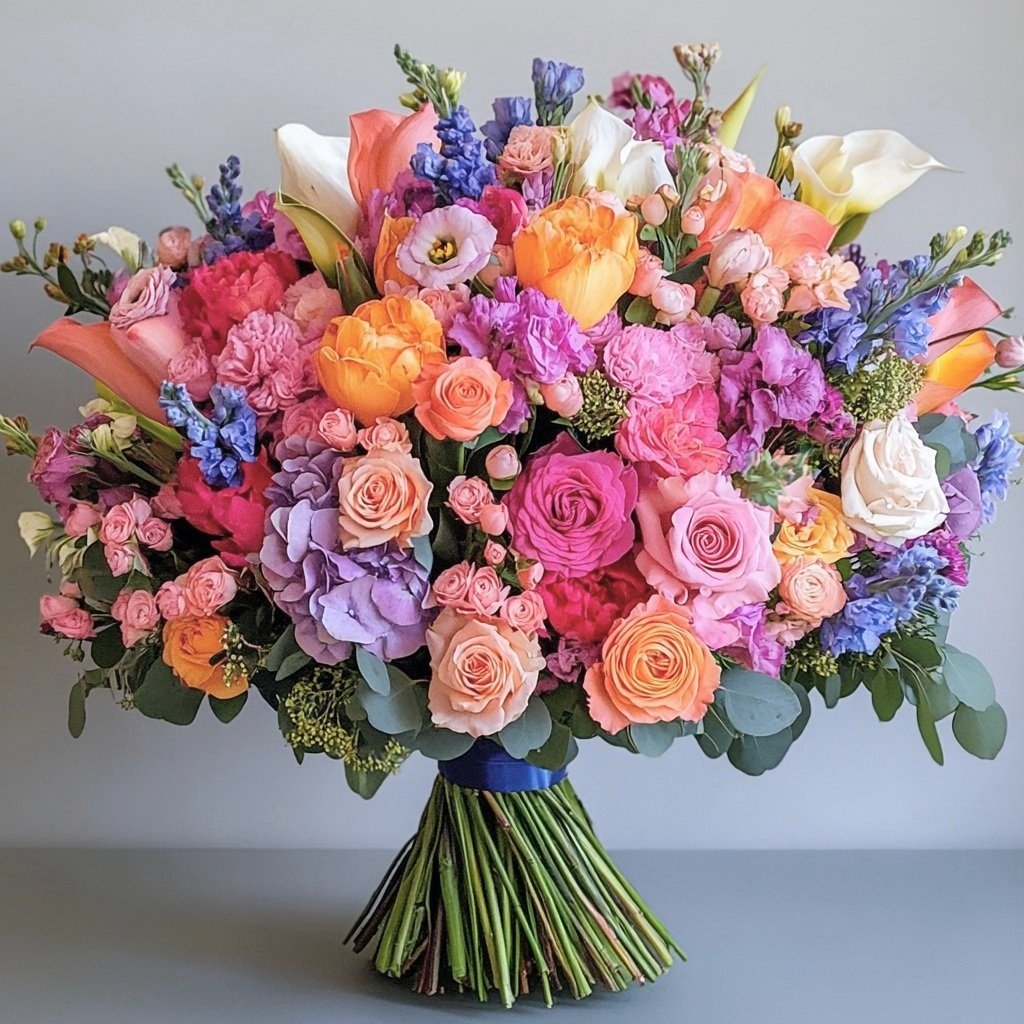
As a flower enthusiast, staying up-to-date with the latest trends, techniques, and industry insights is crucial. Fortunately, there are several exceptional florist magazines that cater to the needs of passionate flower lovers like yourself. In this Singapore flower shop guide, we'll explore the top publications that deserve a spot on your reading list.
Florists' Review
Florists' Review is a long-standing and highly respected publication in the floral industry. Published monthly, this magazine offers a comprehensive overview of the latest design trends, business strategies, and industry news. From in-depth interviews with renowned florists to detailed tutorials on innovative floral arrangements, Florists' Review is a must-read for any serious flower lover.
Flower Magazine
Flower Magazine is a visually stunning publication that celebrates the beauty and artistry of floral design. With its stunning photography and insightful articles, this magazine provides a source of inspiration for both professional florists and home enthusiasts. Whether you're looking for ideas for your next event or simply want to immerse yourself in the world of flowers, Flower Magazine is a true delight. https://www.hk-florist.org/flower-delivery
Floral Management
Floral Management is a publication geared towards the business side of the floral industry. While it may not be as visually captivating as some of the other magazines on this list, it offers invaluable insights into the operational and financial aspects of running a successful flower shop. From marketing strategies to industry trends, Floral Management is an essential read for those aspiring to or already in the floral business.
Botanical Art & Artists
For those with a particular interest in the artistic and botanical aspects of flowers, Botanical Art & Artists is a must-read. This magazine showcases the work of talented botanical artists from around the world, providing a deeper appreciation for the intricate details and natural beauty of flowers. Whether you're an artist yourself or simply appreciate the artistry of floral design, this publication is a true gem. https://www.sg-cityguide.com/journal/singapore-best-florists
Immersing yourself in these exceptional florist magazines will not only expand your knowledge but also ignite your passion for the world of flowers. Enjoy exploring these publications and let them inspire your own floral creations and appreciation for the beauty that surrounds us.
A Florist's Guide to Composition Theory

Introduction to Composition Theory
Composition theory in floristry refers to the principles that govern the arrangement of flowers and botanical elements. Understanding these principles helps create visually appealing and balanced compositions, enhancing the overall aesthetic of the arrangements. This Singapore flower shop guide explores the fundamental concepts of composition theory as it applies to floral design.
Basic Principles of Composition
1. Balance
Balance is crucial in floral arrangements, ensuring that the design feels stable and aesthetically pleasing. There are two types of balance to consider:
Symmetrical Balance: Achieved when both sides of the arrangement mirror each other. This style often exudes formality and classic elegance.
Asymmetrical Balance: Involves an unequal distribution of elements that achieves harmony through visual weight. This style is more dynamic and can convey a sense of movement.
2. Proportion
Proportion refers to the relationship between the size of the flowers, foliage, and container. Ensuring that each element is in proportion creates a harmonious and cohesive look. A common guideline is the "1:3" ratio, where the height of the arrangement should ideally be 1.5 to 2 times the height of the container.
3. Scale
Scale considers how the size of the individual components relates to each other and to the entire arrangement. When selecting flowers and foliage, consider the scale of the space where the arrangement will be displayed. Larger flowers can dominate smaller ones, so it’s important to balance them thoughtfully for visual impact.
4. Focal Point
Every successful composition should have a focal point—an area of interest that draws the viewer’s eye. This can be achieved by using a larger or more vibrant flower, or by contrasting colours or textures. Consider the positioning of the focal point in relation to the surrounding elements to maintain visual interest throughout the arrangement.
5. Rhythm
Rhythm in floral design creates a sense of movement through the repetition of elements. This can be achieved by using similar colours, shapes, or textures that guide the viewer’s eye around the arrangement. Repeating elements helps to build visual flow and engagement.
6. Harmony and Unity
Harmony refers to the overall cohesiveness of the arrangement. All elements should work together to create a unified look. This can be achieved through colour schemes, textures, and shapes. Colours that complement each other and elements that have similar textures contribute to a harmonious design.
Colour Theory in Floral Composition
Understanding colour theory is essential for creating effective floral compositions. The colour wheel can help navigate different colour combinations:
Monochromatic: Variations of a single colour, creating a sophisticated and cohesive look.
Analogous: Colours that are next to each other on the wheel, providing a serene and harmonious palette.
Complementary: Opposite colours on the wheel, creating a vibrant and energetic contrast that can add drama to arrangements.
Textures and Shapes
Incorporating various textures and shapes enhances visual interest. Mixing smooth and rough textures, as well as round and linear shapes, can create a more dynamic design. Consider adding foliage or natural elements to introduce different textures that complement the flowers.
Singapore flower tips
Understanding and applying composition theory is essential for creating exquisite floral arrangements. By mastering balance, proportion, scale, focal points, rhythm, harmony, and colour theory, florists can craft stunning designs that leave a lasting impression. Experimenting with these principles will lead to more innovative and appealing compositions, elevating your floral artistry to new heights.
Different Floristry Styles from Around the World

Floristry is an art form celebrated across cultures, each with its unique style and significance. Understanding these diverse floristry styles can enhance your appreciation for flowers and help you choose the perfect arrangement for any occasion. Below are various floristry styles from around the world.
1. Ikebana (Japan)
Ikebana is the Japanese art of flower arrangement, focusing on harmony, balance, and simplicity. Unlike Western floral design, Ikebana emphasises line, space, and natural beauty rather than full blooms. Key elements include:
Natural lines and forms
Minimalistic designs
Use of negative space
Seasonal materials
2. Dutch Floral Design (Netherlands)
Known for its lavish and opulent arrangements, Dutch floral design thrives on colour and fullness. This style often features a mix of various flowers and textures, creating vibrant displays. Characteristics include:
A wide variety of flowers, often in abundance
Bold, contrasting colours
Use of traditional round or triangular shapes
Emphasis on asymmetry
3. British Garden Style (United Kingdom)
Inspired by English country gardens, this style celebrates a romantic and organic approach to floral arrangements. British garden style combines wildflowers and garden blooms for a natural look. Features include:
Loose, informal arrangements
A mix of textures and colours
Seasonal and locally-sourced flowers
Emphasis on movement and softness
4. Mediterranean Floral Design (Southern Europe)
Mediterranean floristry captures the essence of sunny climates and vibrant landscapes. It often includes lush greenery and fragrant herbs alongside colourful blooms. Elements of this style are:
Use of natural materials such as olive branches and citrus fruits
Bold colours like terracotta, azure, and deep greens
Rustic containers that reflect coastal charm
Informal, free-flowing arrangements
5. Chinese Floral Arrangement (China)
Chinese floristry encompasses a variety of styles, each symbolically significant. This art form often utilises flowers and stems with strong cultural meanings. Key aspects include:
Symmetrical arrangements inspired by nature
Use of specific flowers representing luck and prosperity (e.g., peonies)
Incorporation of traditional vases and containers
Attention to balance and contrast in design
6. American Floral Design (United States)
American floral design incorporates a blend of various influences, often leaning towards less formal and more accessible arrangements. American florists often focus on:
Bright, cheerful colours
A combination of traditional and contemporary styles
Use of sleek vases and modern aesthetics
Emphasis on creativity and personal expression
7. Kiwi Style (New Zealand)
Kiwi floral design reflects New Zealand's unique landscape and natural beauty. This style often features native flowers and foliage set in contemporary designs. Notable features include:
Use of native blooms like pōhutukawa and flax
Minimalist arrangements with an organic aesthetic
Innovative container choices
A strong connection to the natural environment
8. Biedermeier (Germany)
Biedermeier design is a traditional floral style that emerged in 19th-century Germany. This style focuses on circular unit arrangements with a vibrant palette. Characteristics include:
Tightly packed flowers arranged into distinctive circles
Use of different flower varieties to create texture
A focus on symmetry and balance
Elegant and formal overall presentation
Send flowers Singapore
Understanding the various floristry styles from around the world enhances your appreciation for floral arrangements. Each style carries unique cultural significance and aesthetics, contributing to the rich tapestry of floral art. Whether you prefer the elegance of Ikebana or the vibrancy of Dutch design, there is a style that will suit every occasion.
A Guide to Why Singaporeans Love Luxury Flowers
1. Status Symbol
In Singapore, luxury flowers are often viewed as a status symbol. Gifting or showcasing extravagant floral arrangements reflects an individual’s affluence and taste. Exceptional arrangements made from rare or premium blooms convey a sense of sophistication that resonates with the values of many Singaporeans.
2. Special Occasions
Luxury flowers are favoured for significant events such as weddings, anniversaries, and corporate functions. Providing a stunning floral display elevates the overall experience of the occasion. Singaporeans often turn to luxury florists to find unique arrangements that impress guests and create lasting memories.
3. Quality and Freshness
When it comes to flowers, quality matters. Luxury flowers are sourced from the best growers and are often fresher than mass-produced alternatives. This focus on quality ensures that arrangements last longer and maintain their vibrancy, making them a preferred choice for discerning consumers who appreciate finer things in life.
4. Artistry and Design
Singaporeans have a growing appreciation for artistry and design in floral arrangements. Luxury florists often employ skilled artisans who combine colours, shapes, and textures to create visually stunning pieces. The level of craftsmanship involved in these arrangements resonates with those who value aesthetic beauty.
5. Customisation
Many luxury florists in Singapore offer bespoke services that allow customers to customise their floral arrangements. This personalised approach caters to individual preferences and occasions, making each bouquet a unique expression of sentiment. The ability to tailor designs enhances the appeal of luxury flowers.
6. Corporate Gifting
In the corporate sector, luxury flowers serve as impressive gifts that convey professionalism and gratitude. Businesses in Singapore often turn to high-end floral arrangements to strengthen relationships with clients and partners. The investment in luxury flowers signals respect and appreciation, reinforcing business ties.
7. Health and Well-Being
There is increasing awareness about the emotional benefits of flowers. Studies have shown that flowers can elevate mood and promote feelings of happiness. Luxury flowers, with their beauty and fragrance, are often used in homes and offices as a means of enhancing well-being. Singaporeans, who lead fast-paced lives, enjoy the calming and uplifting presence of exquisite blooms.
8. Cultural Significance
Flowers hold cultural significance in many Asian traditions, including those in Singapore. Certain flowers symbolise good fortune, love, or prosperity. Luxury flower arrangements are often chosen for their cultural meanings, making them appropriate gifts for various celebrations and rituals.
Singapore flower shops
The love for luxury flowers among Singaporeans stems from a mix of cultural importance, personal expression, and the admiration for quality and artistry. As the demand for unique and meaningful gifts continues to rise, luxury flowers will undoubtedly remain a cherished choice for both personal and corporate occasions in Singapore.

Guide to Flower Markets in Singapore

Singapore, known for its vibrant cityscape, also boasts a variety of flower markets that cater to both residents and visitors. Whether you are seeking fresh blooms for a special occasion or looking to soak in the floral ambience, these markets offer a wide selection of flowers and plants.
1. Thomson Road Flower Market
Situated along Thomson Road, this market is a go-to for flower enthusiasts. Open daily and bustling with vendors, you can find a plethora of fresh flowers, plants, and gardening supplies. Popular for its competitive prices, this market is ideal for both bulk purchases and individual bouquets.
Highlights:
Extensive variety of local and imported flowers.
Open 24 hours, but best to visit early in the morning for the freshest selection.
2. Gardens by the Bay Flower Dome
While not a traditional market, the Flower Dome at Gardens by the Bay offers an extraordinary floral experience. This cooled conservatory features changing floral displays, showcasing seasonal blooms from around the world.
Highlights:
A picturesque setting for photography.
Regular themed displays, including festive seasonal flowers.
3. Far East Flora
Far East Flora is one of Singapore’s largest flower and garden suppliers. With both retail and wholesale options, this market houses an extensive assortment of flowers, plants, and accessories.
Highlights:
Impressive variety of tropical and exotic plants.
Offers workshops and floral arrangement classes, making it a great learning experience.
4. Chinatown Flower Market
Located in the vibrant Chinatown district, this market is particularly lively during festive seasons. It features an array of fresh flowers, potted plants, and ornamental decorations associated with Chinese traditions.
Highlights:
Famous for its beautiful orchids and symbolic floral arrangements.
Best visited during Chinese New Year for a unique atmosphere and festive offerings.
5. Joo Chiat Complex Flower Market
Nestled in the heritage district of Joo Chiat, this market is lesser-known but equally charming. A variety of fresh and dried flowers can be found here, along with traditional Chinese floral arrangements.
Highlights:
A quaint atmosphere with a local flair.
Unique selection of dried flowers for crafts and decorations.
Tips for Visiting Flower Markets
Timing: Early morning is the best time to visit for the freshest flowers.
Negotiation: Bargaining may be accepted, especially in local markets.
Local Specials: Look for seasonal offerings and local blooms to make the most of your experience.
Buying flowers in Singapore
Singapore's flower markets provide a delightful escape into a world of colours and fragrances. From bustling local markets to serene floral displays, there is something for every floral aficionado. Whether you are purchasing flowers or simply enjoying the sights, these markets are worth a visit.
Guide to Buying Florist Tools in Singapore
When it comes to sourcing florist tools in Singapore, there are various options available that cater to both amateur florists and professionals alike. This Singapore florist guide outlines some of the best places to purchase essential florist tools.
1. Specialty Floral Supply Stores
Specialty stores often carry a wide range of tools specifically designed for floristry, including scissors, pruning tools, floral foam, and wire.
Far East Flora: This well-known store offers a comprehensive selection of florist supplies and tools in addition to fresh flowers.
The Flower Story: A boutique florist supplies shop providing a variety of floral accessories and tools essential for creating beautiful arrangements.
2. Online Retailers
Shopping online provides convenience and a wider selection of tools.
Lazada: Offers a vast array of florist tools, from basic scissors to advanced cutting devices. It’s an excellent option for bulk purchases.
Shopee: Features multiple sellers with competitive prices on various florist supplies, suitable for both casual and professional use.
3. Craft and Hobby Stores
Craft stores usually have floral tools among their offerings, catering to DIY enthusiasts.
Art Friend: Known for its comprehensive array of crafting materials, it stocks tools that are useful for floral arrangements, including cutting tools and adhesives.
Boon Lay’s Craft Supplies: While more focused on general craft items, they often carry a selection of basic florist tools that can serve your needs well.
4. Garden Centres
Many garden centres also stock florist tools alongside their plants and gardening supplies.
NTUC Fairprice Xtra (located in various locations): Many of these hypermarkets have sections for gardening supplies that include basic florist tools.
The Plant Story: This garden centre offers a selection of supplies and tools, perfect for those who enjoy both gardening and floristry.
5. Wholesale Markets
For bulk purchases, wholesale markets can offer cost-effective options.
Joo Chiat Complex: This location is known for its variety of wholesalers selling flowers and floral supplies. It’s ideal for professionals looking to stock up on essential tools and materials.
Chinatown Complex: Various stalls often sell florist tools at competitive prices, making it a good spot for budding florists to explore options.
Tips for Singapore flower shops
In Singapore, florists can easily access a variety of tools from specialty stores to online platforms. Whether you’re starting your journey in floristry or looking to upgrade your toolkit, these options will provide you with the necessary resources to create stunning floral arrangements.
A Guide to Wild Style Flower Bouquets
Wild style flower bouquets embody a natural and untamed aesthetic, celebrating the beauty of flowers in an informal, organic arrangement. Here’s how to create or select a wild style bouquet that stands out.
1. Choose the Right Flowers
Select a mix of seasonal blooms that showcase a variety of shapes, sizes, and colours. Consider including:
Focal Flowers: These are the standout blooms that draw the eye, such as peonies, dahlias, or sunflowers.
Filler Flowers: Smaller flowers like asters, scabiosa, or baby’s breath can add texture and volume.
Foliage: Incorporate a diverse selection of greenery like eucalyptus, ferns, or ivy to give depth and a wild feel.
2. Embrace Variety and Texture
The essence of a wild bouquet lies in its eclectic mix. Add unique elements like:
Dried Flowers: Incorporating dried florals such as lavender or pampas grass can enhance the natural look.
Branches and Twigs: These can provide structure and create a rustic, woodland atmosphere.
Unusual Foliage: Look for leaves with interesting shapes or colours.
3. Utilise Natural Shapes
Rather than traditional symmetrical arrangements, let flowers spill and flow loosely. Layer blooms at varying heights and angles to create a sense of movement. Avoid the rigid positioning typical of classic bouquets.
4. Colour Palette
Choose a harmonious palette, but don’t shy away from bold contrasts. Wild style bouquets often feature a blend of vibrant colours alongside muted tones. Consider mixing:
Brights like yellows and pinks with softer pastels.
Deep, moody hues for a dramatic effect.
5. Consider the Vessel
For wild style bouquets, opt for rustic or unconventional vases. Vintage jars, wooden boxes, or ceramic pots can enhance the organic feel. The container should complement the bouquet without overpowering it.
6. Seasonal Sensibility
Wild style bouquets flourish with seasonal blooms. Creating arrangements based on what’s fresh and available can significantly impact their appearance and longevity. Not only does this support local cultivation, but it also ensures your bouquet reflects the current season.
7. Maintenance Tips
To keep your wild style bouquet flourishing:
Trim stems at an angle before placing them in water to encourage hydration.
Refresh the water regularly and remove any wilting flowers to maintain visual appeal.
Place the bouquet in a cool spot away from direct sunlight to prolong freshness.
By following these guidelines, you can create a wild style flower bouquet that captures the untamed beauty of nature while serving as a stunning statement piece for any occasion.
Expats Guide to Sending Flowers in Singapore
Sending flowers in Singapore can be a delightful way to express sentiments, celebrate occasions, or simply brighten someone’s day. Here’s a comprehensive guide to help expats navigate the process smoothly.
Understanding Cultural Significance
Before sending flowers, it's important to understand their cultural context in Singapore:
Roses: Generally represent love and romance. Red roses are popular for romantic occasions.
Lilies: Often associated with funerals; avoid sending white lilies to recipients unless the context is appropriate.
Orchids: Considered a symbol of luxury and beauty, these are a popular choice for gifts.
Chrysanthemums: Traditionally associated with funerals in some cultures, particularly the Chinese; use caution.
Choosing the Right Florist
When selecting a florist in Singapore, consider the following:
Reputation: Look for florists with positive reviews and a strong reputation for quality.
Variety: Choose a florist that offers a wide selection of bouquets and arrangements.
Same-Day Delivery: If you need flowers quickly, ensure the florist provides same-day delivery options.
Ordering Flowers
Visit the Florist's Website: Most florists have user-friendly websites where you can browse options.
Select the Bouquet: Choose a bouquet that suits the occasion and your recipient’s taste.
Personalise Your Message: Many florists allow you to include a personal note. Keep it heartfelt and appropriate.
Provide Accurate Details: Ensure you provide the recipient's address, including postal code, and any special delivery instructions.
Check Delivery Times: Be aware of cut-off times for same-day delivery.
Payment Options
Most florists in Singapore accept various payment methods including credit/debit cards, PayPal, and bank transfers. It's advisable to choose a method you are comfortable with and check for any additional fees.
Delivery Considerations
Timing: Consider the timing of your delivery; working hours may differ, and traffic can affect delivery times.
Recipient Availability: If your recipient works standard hours, consider sending flowers at their workplace or during a time when they are most likely to be available.
Handling Special Requests: If you have specific delivery requirements (e.g., specific packaging), confirm with the florist beforehand.
Special Occasions
Birthday: Personalise the arrangement with the recipient’s favourite flowers.
Anniversary: Consider luxurious options like orchid arrangements or classic red roses.
Sympathy: Opt for simple, elegant arrangements avoiding overly bright colours.
Order flowers in Singapore
Local Customs: Familiarise yourself with local customs, especially if sending flowers for significant events or to specific communities.
Follow Up: If possible, follow up with the recipient to ensure they received their flowers and to hear their response.
Feedback: Don't hesitate to leave a review for the florist, which can help future customers and aid the florist in improving their services.
By understanding the cultural nuances and selecting the right florist, sending flowers in Singapore can be a beautiful way to connect with loved ones or colleagues.
Guide to How Florists in Singapore Can Help with a Floral Event

Florists play a crucial role in the success of any floral event, from weddings and corporate gatherings to private parties. Engaging a professional florist in Singapore can elevate the aesthetic and overall experience of your event. Here is a comprehensive Singapore Florist guide on how florists can assist in making your floral event memorable.
1. Concept Development
A florist can help develop a cohesive floral theme that aligns with your event's vision. By understanding the occasion, your preferences, and colour schemes, they can suggest suitable flower types and arrangements that reflect the desired atmosphere.
2. Customised Floral Designs
Florists offer bespoke designs tailored to the specifics of your event. Whether you prefer modern sophistication, classic elegance, or a whimsical style, they can create arrangements that meet your specific needs. This includes centrepieces, bridal bouquets, and decorative installations.
3. Sourcing Quality Blooms
Professional florists have established relationships with local and international growers, ensuring access to the freshest and most exquisite blooms. They can recommend seasonal flowers or unique varieties that will add uniqueness to your event.
4. Logistics and Planning
Florists are equipped to manage the logistical aspects of floral arrangements, including delivery, setup, and takedown. They can coordinate the timing of flower delivery to ensure that everything is fresh and pristine for your event. Good planning can prevent last-minute stress.
5. Creative Arrangement Options
Florists possess the expertise to create various arrangement styles, from cascading bouquets to minimalist centrepieces. They can also incorporate other elements like foliage, fruits, or decorative accessories, adding depth and interest to their designs.
6. Venue Coordination
A florist can liaise with your chosen venue to ensure compatibility between the floral arrangements and the event space. This includes considerations such as layout, lighting, and existing decorations that will complement the floral designs.
7. On-the-Day Management
On the day of the event, florists can oversee the setup to ensure that all arrangements are displayed as intended. This includes making last-minute adjustments and ensuring that everything remains in pristine condition throughout the event.
8. Consultation Services
Many florists offer consultation services to help you navigate the intricacies of floral design. This includes recommendations on types of flowers, colour palettes, and arrangement styles, tailored to your event type and personal taste.
9. Post-Event Services
After the event, a florist can provide options for repurposing or donating floral arrangements. This not only promotes sustainability but also extends the life of the flowers, allowing them to bring joy beyond your event.
HK florist
Engaging a florist in Singapore for your floral event ensures professionalism and creativity in delivering the perfect ambiance. From initial concepts to on-the-day execution, florists provide a wealth of expertise to help create stunning floral displays tailored to your needs. Consider their services for a seamless planning experience and an unforgettable floral experience.
How to Rescue a Wilting Flower Bouquet

Assess the Situation
Begin by examining the bouquet closely. Check for any signs of decay, such as browning petals, slimy stems, or foul odours. Identify which flowers are the most affected and need immediate attention.Trim the Stems
Using sharp scissors or pruning shears, cut approximately one inch off the bottom of each stem at a diagonal angle. This increases the surface area for water absorption and helps remove any blocked pathways caused by bacteria.Remove Excess Foliage
Strip away any leaves that will be submerged in water. This prevents bacterial growth and keeps the water cleaner for longer.Prepare Fresh Water
Fill a clean vase with fresh, lukewarm water, as this encourages quicker absorption. You may also add a packet of flower food if provided. If you lack flower food, a teaspoon of sugar and a few drops of bleach can mimic its effects by providing nourishment and preventing bacteria.Rearrange the Bouquet
Gently place the flowers back into the vase, ensuring that taller stems are positioned towards the back for a balanced aesthetic. Keep in mind that overcrowding can restrict airflow and worsen wilting.Place in the Right Environment
Position the vase in a cool location, away from direct sunlight, heat sources, or draughts. Ideally, flowers thrive in a stable environment, avoiding extreme temperature fluctuations.Mist the Flowers
Lightly mist the petals with water to increase humidity, which can help perk them up. This is especially beneficial for delicate blooms that may wilt easily.Monitor Water Levels
Check the water level daily, adding fresh water as needed. Replace the water entirely every two to three days to maintain its cleanliness and effectiveness.Remove Wilting Flowers
As individual flowers within the bouquet begin to wilt, remove them promptly to prolong the life of the remaining blooms.
By following these steps, your wilting bouquet can regain its vitality, bringing beauty back into your space. With proper care and attention, flowers can flourish for days to come.
Judging Blooms in Florist Competitions
Florist competitions are a showcase of the industry's finest talent, where the quality and artistry of floral arrangements are meticulously evaluated. As experienced Singapore florists at BLOOM + SONG, we understand the intricacies involved in judging these magnificent blooms. Here's a guide on the key criteria used to assess the winning entries.
Freshness and Condition
The first and most crucial factor is the overall freshness and condition of the flowers. Judges will closely examine the blooms for any signs of wilting, bruising, or discolouration. Flowers should appear vibrant, with petals that are free of blemishes and stems that are sturdy and upright.
Colour and Harmony
The colour palette of the arrangement is also a significant consideration. Judges will assess how well the colours complement each other, creating a visually striking and harmonious display. The use of contrasting hues, as well as the balance between lighter and darker tones, can contribute to the overall aesthetic appeal.
Proportion and Balance
The arrangement's overall structure and proportions are crucial. Judges will evaluate how well the flowers are positioned within the design, ensuring a sense of balance and symmetry. The size and placement of the blooms should create a visually pleasing and cohesive composition.
Creativity and Originality
Florist competitions often reward innovative and unique designs. Judges will look for arrangements that showcase the designer's creativity and ability to push the boundaries of traditional floral art. Originality in the choice of flowers, the use of unconventional materials, and the overall concept of the design can all contribute to a winning entry.
Technique and Execution
Finally, the technical execution of the arrangement is also closely scrutinised. Judges will assess the precision and skill with which the flowers are handled, the quality of the mechanics (such as wiring and taping), and the overall attention to detail in the final presentation.
By understanding these key criteria, florists can better prepare their entries for competition and strive to create truly exceptional floral masterpieces that captivate the judges and audience alike.
Botanical Guide to Calla Lilies for Florists
Calla lilies (Zantedeschia spp.) are elegant and versatile flowers that are often used in luxurious arrangements. With their distinct trumpet-shaped blooms and dark, glossy leaves, they are a popular choice for weddings, corporate events, and high-end floral designs. This guide provides key information about calla lilies, including their varieties, care instructions, and design tips.
Varieties
Zantedeschia aethiopica
Description: Commonly known as the white calla lily. It has large, pure white flowers.
Uses: Often used in wedding bouquets and arrangements for its classic look.
Zantedeschia rehmannii
Description: This variety features smaller blooms in colours like pink, lavender, and yellow.
Uses: Excellent for more modern or playful arrangements.
Zantedeschia elliottiana
Description: Known for its striking yellow spathes with speckled green foliage.
Uses: Ideal for tropical or vibrant floral designs.
Zantedeschia ‘Captain Safari’
Description: A hybrid variety that boasts deep, rich orange blooms.
Uses: Perfect for autumn-themed arrangements.
Care Instructions
Temperature and Environment
Ideal Temperature: Calla lilies thrive in temperatures between 15°C to 22°C. Keep them away from direct sunlight and drafts to prolong their lifespan.
Humidity: Moderate humidity levels are best. If the environment is too dry, consider misting the foliage.
Watering
Water Needs: Ensure that the water is clean and at room temperature. Change water every 2-3 days to prevent bacterial growth.
Soil: For those using potted calla lilies, use a well-draining potting mix and avoid waterlogging.
Cutting and Arrangement
Cutting: Cut stems at a 45-degree angle to allow for better water uptake. Use a sharp, clean knife or shears to avoid crushing the stems.
Arrangement: Consider their height and structure when placing in arrangements. Use complementary blooms and foliage to enhance their elegance.
Design Tips
Pairing: Calla lilies blend beautifully with other luxury flowers such as roses, peonies, and orchids. Use contrasting textures to create depth.
Height and Volume: For dramatic displays, use calla lilies in tall vases or as statement pieces in centrepieces.
Colour Palette: Select colours that match your client’s event palette. Calla lilies come in various shades, providing ample opportunities for cohesive design.
Symbolism: Calla lilies signify purity and magnificent beauty, making them an ideal choice for weddings and significant life events.
Singapore Florist Reccomendations
Calla lilies are a staple in the world of floristry due to their unique shape, range of colours, and graceful presence. By understanding their varieties, care, and design potential, florists can enhance their creations and meet the sophisticated expectations of clients.
Care Guide for Cut Lilies

Cut lilies are a stunning addition to any floral arrangement, known for their elegance and fragrance. To ensure your lilies remain vibrant and healthy for longer, follow these care tips:
1. Preparation
Trim the Stems: Before placing your lilies in water, trim the stems at a 45-degree angle using a sharp knife or secateurs. This helps to increase water absorption.
Remove Lower Leaves: Strip any leaves that will be submerged in the water to prevent bacterial growth, which can shorten the life of your flowers.
2. Watering
Use Clean Water: Fill a clean vase with room temperature water. It’s essential to use fresh, clean water to prevent mould and bacteria.
Add Flower Food: If provided, use the flower food included with your bouquet. This mixture contains nutrients and antibacterial agents that help extend the life of your blooms.
Change Water Regularly: Change the water every 2-3 days to keep it fresh. Re-trim the stems slightly during these changes to help maintain water absorption.
3. Placement
Choose the Right Location: Place your lilies in a cool spot away from direct sunlight, heat sources, and drafts. Lilies thrive in temperatures between 15-22°C (59-72°F).
Avoid Ripening Fruits: Keep your flowers away from fruit bowls, as ripening fruits emit ethylene gas, which can hasten the wilting of your cut lilies.
4. Maintenance
Remove Wilting Petals: Regularly check for any wilting or browning petals and remove them promptly to keep the arrangement looking fresh.
Inspect for Pests: Occasionally check for any signs of pests or mould, particularly if the water is not changed frequently.
5. Enjoying Your Lilies
Fragrance: Keep in mind that some lilies produce a strong scent. If this is overwhelming, consider placing them in a well-ventilated area.
Mixing with Other Flowers: Lilies pair beautifully with other flowers; however, be mindful that some varieties may release pollen that could stain delicate petals or fabrics.
By following these care tips, you can enjoy the beauty and fragrance of your cut lilies for an extended period, enhancing any occasion with their luxurious presence.
Guide to Caring for Cut Hydrangeas
Hydrangeas are renowned for their stunning blooms and vibrant colours. To ensure that your cut hydrangeas remain fresh and beautiful, follow these care instructions:
1. Preparing the Stems
Trim the Stems: Use sharp, clean scissors or a knife to make a diagonal cut at the base of each stem. This increases the surface area for water absorption.
Remove Lower Leaves: Strip any leaves that will be below the waterline in the vase to prevent rot and bacteria growth.
2. Hydration
Conditioning: Place the cut hydrangeas in a bucket of water immediately after cutting. Allow them to hydrate for a few hours or overnight if possible. Ensure the water is at room temperature for optimal absorption.
3. Choosing the Right Vase
Vase Selection: Use a clean vase that can hold sufficient water. A tall vase helps support the hydrangeas and keeps their blooms upright.
4. Watering
Fresh Water: Fill the vase with clean, lukewarm water. Change the water every two days to prevent bacterial growth.
Flower Food: If available, add flower food to the water to help extend their lifespan. Follow the instructions on the packet for the correct amount.
5. Light and Temperature
Light Conditions: Place your hydrangeas in a spot with indirect sunlight. Direct sunlight can wilt the blooms quickly.
Room Temperature: Keep the flowers in a cool room, avoiding areas with heat sources, such as radiators or televisions.
6. Pruning
Deadhead Regularly: Remove any wilting blooms to encourage new growth and to keep the arrangement looking fresh.
7. Final Tips
Avoid Ethylene Gas: Keep hydrangeas away from ripening fruits and vegetables, which release ethylene gas and can cause premature wilting.
Misting: Misting the blooms lightly can help maintain their humidity and freshness, but do not saturate them.
By following these steps, your cut hydrangeas should remain vibrant and beautiful, enhancing your home or event with their lush presence.
A Guide to Flowers as a Motif in Classical Music

Flowers have long been a rich source of inspiration in various art forms, and classical music is no exception. Their symbolism, beauty, and ephemeral nature have made them a recurring motif among composers. This Bloom and Song guide explores the ways in which flowers feature in classical music, from symphonies to operas.
1. Symbolism of Flowers in Music
Flowers often carry significant symbolic meaning. For instance, they can represent love, beauty, mortality, or the transient nature of life. Composers have used floral imagery to convey emotional depth and to enhance the narrative of their works.
Roses: Often symbolising love and passion, roses appear frequently in love-themed compositions.
Lilies: Associated with purity and transience, these flowers can evoke a sense of serenity and reflection in music.
Violets: Representing modesty and humility, violets are often used in connection with themes of innocence.
2. Notable Compositions Featuring Floral Motifs
Several classical works explicitly reference flowers, either in title, theme, or inspiration.
“The Seasons” by Vivaldi: This set of violin concertos showcases various natural elements, with rich floral imagery in "Spring," where the blooming flowers represent renewal and awakening.
“Madama Butterfly” by Puccini: The use of the chrysanthemum in this opera reflects both beauty and cultural significance. The flower acts as a poignant symbol of the protagonist's fate.
“Flower Duet” from Lakmé by Delibes: This iconic aria features the beauty of nature, specifically flowers, as the singers' harmony evokes the delicate essence of blooming flora.
3. The Role of Flowers in Programme Music
Programme music aims to evoke a specific story or scene, often using nature as a backdrop. Flowers serve to enhance the imagery and emotions conveyed through the music.
“Carnival of the Animals” by Saint-Saëns: This suite includes movements that can be interpreted as evoking various flowers and natural elements, enriching the auditory experience.
“Fleurs” by Meyerbeer: A lesser-known but significant work, where each movement represents a different flower, capturing their unique essence through sound.
4. Thematic Representations in Chamber and Orchestral Music
Chamber and orchestral composers have also drawn upon floral imagery as a thematic element.
Beethoven’s “Pastoral Symphony”: Within the serene landscape portrayed in this symphony, flowers are represented metaphorically as part of the idyllic countryside, adding to the overall feeling of joy and peace.
“Les fleurs du mal” by Dutilleux: This work reflects the complex nature of beauty and decay, capturing the dualism of flowers, both vibrant and ephemeral.
5. Influence on Later Composers
The motif of flowers has continued to inspire contemporary composers, who often revisit the symbolism and emotional resonance associated with floral imagery.
Debussy: His impressionistic style draws heavily on nature, including flowers, using delicate harmonies to evoke their ephemeral beauty.
John Adams: In works like “Dharma at Big Sur,” the blending of natural motifs, including flowers, brings a modern sensibility to the tradition.
Flowers serve as a profound symbol in classical music, enhancing the emotive and narrative aspects of compositions. From the delicate beauty of a single blossom to the grandeur of a blooming garden, their influence is felt across various genres and periods in music history. The exploration of floral motifs reveals not only the relationship between nature and art but also the enduring power of these symbols to evoke human emotions through sound.
Guide to Finding a Florist Job in Singapore
1. Research the Floral Industry in Singapore
Understanding the floral industry is crucial. Explore the types of florists available, from boutique shops to large-scale retailers, and discover what floral arrangements are popular in Singapore. Familiarise yourself with local trends and preferences, such as the use of native flowers or seasonal blooms.
2. Update Your CV
Tailor your CV to highlight relevant skills and experiences. Include sections on your floristry training, experience in floral design, customer service skills, and any artistic abilities. Showcase any previous work in environments related to floristry, retail, or customer interaction.
3. Acquire Basic Floristry Skills
If you do not have formal training, consider enrolling in floristry courses available at local institutions. Even short workshops can provide essential skills and demonstrate your commitment to the profession.
4. Network Within the Industry
Join local floristry associations or groups on social media platforms. Attend industry events, workshops, and exhibitions to connect with professionals. Networking can open doors to job opportunities that might not be advertised.
5. Browse Job Portals
Utilise online job portals tailored to Singapore, such as JobStreet, JobsDB, or MyCareersFuture. Search with specific keywords like "florist," "floral designer," or "flower shop assistant" to find relevant openings.
6. Visit Local Florist Shops
Consider visiting local florists directly. Inquire about potential job openings, even if they aren’t currently advertised. Bringing a portfolio of your work can make a strong impression.
7. Prepare for Interviews
Be ready to discuss your passion for floristry and your design style. Prepare to demonstrate your knowledge of plant care, arrangement techniques, and customer service. Conduct mock interviews to boost your confidence.
8. Consider Freelance Opportunities
If full-time positions are limited, explore freelance opportunities. Many florists seek part-time help during peak seasons such as Valentine’s Day, Chinese New Year, or weddings.
9. Stay Updated on Industry Trends
Subscribe to floristry magazines, blogs, or online platforms that focus on floral design. Being knowledgeable about the latest styles and techniques will enhance your conversations during interviews and networking.
10. Follow Up
After your interview, send a follow-up email thanking the employer for their time. Reiterating your enthusiasm for the position can leave a positive impression.
By employing these strategies, you can increase your chances of securing a florist job in Singapore. Good luck!
A Guide to Literary References Every Florist Should Know
Florists often draw inspiration from literature, enhancing their creations with deeper meanings and emotional resonance. Understanding these references can enrich your floral arrangements and customer interactions. Here’s a Bloom & Song guide to significant literary references every florist should know.
1. The Language of Flowers
Title: The Language of Flowers
Author: Vanessa Diffenbaugh
Key Concept: Flowers have their own language, with specific meanings associated with each type. For example, roses are often seen as symbols of love, while lilies can represent purity. Understanding this language allows florists to convey specific sentiments through their arrangements.
2. Hamlet
Title: Hamlet
Author: William Shakespeare
Key Concept: In this iconic play, Ophelia is famously associated with flowers, highlighting themes of innocence and tragic loss. Her lines about flower-giving can serve as inspiration for bouquets intended for somber occasions or memorials.
3. The Secret Garden
Title: The Secret Garden
Author: Frances Hodgson Burnett
Key Concept: This novel revolves around the healing power of nature and gardens. A florist can draw inspiration from the themes of renewal and transformation, perhaps emphasising seasonal flowers or native plants that evoke a sense of wellbeing.
4. The Great Gatsby
Title: The Great Gatsby
Author: F. Scott Fitzgerald
Key Concept: The opulence of Gatsby’s parties often involved lavish floral displays, symbolising wealth and aspiration. Incorporating elements reminiscent of the Jazz Age can appeal to clients seeking extravagant arrangements for upscale events.
5. To the Lighthouse
Title: To the Lighthouse
Author: Virginia Woolf
Key Concept: Woolf uses nature and flowers to convey themes of time and memory. Florists can draw on this connection, using flowers to evoke nostalgia or set a tranquil atmosphere in their designs.
6. A Midsummer Night's Dream
Title: A Midsummer Night's Dream
Author: William Shakespeare
Key Concept: The magical significance of flowers, particularly the love-in-idleness flower (pansy), highlights the connection between romance and nature. Using whimsical flower combinations in arrangements can evoke the enchanting qualities found in Shakespeare’s works.
7. The Flower That Paved the Way
Title: The Flower That Paved the Way
Author: Harriet Prescott Spofford
Key Concept: This poem delves into the power of flowers to inspire change and evoke emotion. Florists can reflect on this as they create arrangements meant to uplift or inspire customers.
8. The Little Prince
Title: The Little Prince
Author: Antoine de Saint-Exupéry
Key Concept: The relationship between the Little Prince and his rose embodies themes of love, care, and responsibility. This connection can inspire florists to create bespoke arrangements that reflect the unique relationships their customers share with loved ones.
9. In the Night Kitchen
Title: In the Night Kitchen
Author: Maurice Sendak
Key Concept: This children’s book utilises vibrant imagery and nature to depict adventure and creativity. Florists can take inspiration from its playful aesthetic when designing arrangements for children’s events or whimsical occasions.
10. Ethan Frome
Title: Ethan Frome
Author: Edith Wharton
Key Concept: Wharton explores themes of despair and yearning. A florist might consider using stark contrasts in colour and arrangement style to evoke complex emotions for events such as memorials or reflective gatherings.
Understanding these literary references allows florists to infuse their creations with deeper meanings and emotional layers, enhancing the overall experience for their customers. By weaving together the worlds of flowers and literature, you provide more than just bouquets; you offer narratives that resonate with the heart.
Best Florists in Singapore for a Romantic Occasion
Singapore boasts a vibrant floral scene, perfect for expressing love and affection through beautiful blooms. Here’s a selection of the best florists in the city that can help you curate the ideal bouquet or arrangement for romantic occasions.
1. Flower Addict
Known for its artistic flair, Flower Addict offers a wide variety of exquisite flower arrangements. Their signature style combines elegant blossoms with a modern touch, making them perfect for romantic gifts. Whether it’s a classic dozen roses or a bespoke arrangement, they promise quality and creativity. http://thefloraltease.com/
2. Petal & Poem
Petal & Poem focuses on creating unique and personalised flower arrangements. They offer a subscription service, which is ideal for ongoing romantic gestures. Their use of sustainable and seasonal flowers ensures that each bouquet is fresh and vibrant.
https://www.petalandpoem-sg.com/
3. Flowerbee SG Florist
Flowerbee Singapore Florist provides a diverse selection of floral arrangements at competitive prices. Their signature Flowerbee bouquet is a popular choice, featuring lush blooms and rich colours that create a perfect statement of love. They also provide same-day delivery, so you can plan a last-minute surprise.
4. Floristics Co.
This florist stands out for its stunning, hand-crafted arrangements. Floristics Co. also places a strong emphasis on sustainability, using eco-friendly materials in their products. Their beautifully designed romantic bouquets include lush foliage and vibrant flowers, ensuring a spectacular presentation.
5. Lover Florals
Lover Florals is well known for its prompt service and diverse floral selection. They offer a range of specially curated bouquets for romantic occasions, with a choice of classic arrangements as well as more contemporary designs. Their flexibility in arrangements makes them a popular choice for personalised gifts.
https://www.lover-florals.com/
6. Sing See Soon
Established since 1936, Sing See Soon blends tradition with modern aesthetics. Their expertise in crafting wedding and romantic bouquets is unmatched. You can opt for their bespoke services for a tailored experience that reflects your sentimental value.
7. The Floristry
Located in the heart of Singapore, The Floristry is a quaint floral boutique known for its artisanal arrangements. They offer a variety of flowers, including locally sourced options. Their romantic collections often feature unconventional blooms, ensuring a unique expression of affection.
Sending flowers in Singapore
Choosing the right florist for a romantic occasion can elevate your expression of love. Honorable florist mention: http://stalkblush.com/ Each of the mentioned florists in Singapore brings their unique approach to floral design, ensuring that your gift will leave a lasting impression. Whether you’re opting for classic roses or a more whimsical arrangement, these florists are sure to meet your needs with elegance and style.
