Guide to Flower Growing Regions in North and Central America

North America
1. California
Climate: Mediterranean climate with mild, wet winters and hot, dry summers.
Notable Regions:
Central Coast: Known for its abundance of roses, tulips, and lilies.
Southern California: Home to diverse flower farms that produce chrysanthemums, gerbera daisies, and sunflowers.
Growing Seasons: Year-round growing season, with peak blooms occurring spring through autumn.
2. Florida
Climate: Humid subtropical climate, ideal for vibrant colour and lush growth.
Notable Regions:
Southern Florida: A major producer of tropical flowers such as orchids, hibiscus, and anthuriums.
Central Florida: Known for its large-scale production of cut flowers, including carnations and alstroemerias.
Growing Seasons: Typically features two growing seasons, with peaks in spring and autumn.
3. Washington
Climate: Oceanic climate with mild temperatures and ample rainfall.
Notable Regions:
Skagit Valley: Famous for tulip festivals; produces a wide range of spring-blooming flowers.
Puget Sound Region: Known for cut flowers like dahlias and peonies.
Growing Seasons: Primarily spring through summer for most blooms.
4. Texas
Climate: Varied climate ranging from arid in the west to humid in the east.
Notable Regions:
Hill Country: Produces wildflowers, including bluebonnets and Indian paintbrush.
East Texas: Known for gardenia, magnolia, and azalea.
Growing Seasons: Spring and early summer are peak blooming times, with some varieties blooming into autumn.
Central America
1. Costa Rica
Climate: Tropical climate with a distinct wet and dry season.
Notable Regions:
San José: The heart of flower production, including orchids and bromeliads.
Heredia and Alajuela: Noted for their vast coffee plantations that also incorporate flower growing.
Growing Seasons: Flowers can be cultivated year-round, with the best blooms during the dry season from December to April.
2. Panama
Climate: Tropical climate, with warm temperatures and high humidity levels.
Notable Regions:
Chiriquí Province: Well-known for its orchid farms and vibrant flower markets.
Panama City: Features a mix of tropical flowers, including heliconias and anthuriums.
Growing Seasons: Year-round cultivation, with the rainy season allowing for rich growth.
3. Honduras
Climate: Tropical climate with lush vegetation in the coastal areas and higher elevations.
Notable Regions:
Santa Bárbara: Known for its production of roses and lilies.
La Paz: Home to various flower farms focusing on cut flowers.
Growing Seasons: Mainly from November to May, aligning with drier months.
Florist tips
Understanding the diverse flower growing regions in North and Central America allows for better appreciation and selection of floral varieties suitable for various occasions. Whether one is seeking the vibrant blooms of California or the tropical elegance of Costa Rica, these regions offer an array of blossoms that can enhance any floral arrangement.
Guide to Flower Growing Regions in South America
South America boasts a diverse range of climates and ecosystems, making it an ideal region for cultivating a wide variety of flowers. Below are some of the key flower growing regions across the continent:
1. Colombia
Colombia is one of the largest flower producers in the world, particularly known for its vibrant roses, carnations, and orchids. The climatic conditions in regions such as:
Cundinamarca: The high-altitude areas, especially around Bogotá, provide ideal conditions for growing a variety of flowers.
Antioquia: Known for its lush landscapes, this region is famous for its quality floriculture, particularly for exotic flowers.
2. Ecuador
Ecuador is renowned for its unique and high-quality floral products, especially roses of various colours and sizes. Key areas include:
Quito: The capital city is surrounded by valleys that produce a vast array of flowers, thanks to its high elevation and rich volcanic soil.
Sierra Region: The temperate climate in areas such as Tungurahua and Chimborazo allows for a diverse range of blossoms.
3. Brazil
Brazil’s vast landscape supports numerous flower-growing regions, particularly in:
São Paulo: The state produces a range of flowers including orchids and bromeliads, benefiting from a humid subtropical climate.
Minas Gerais: This region is known for its diverse floral production, particularly gardenias and chrysanthemums.
4. Chile
Chile's unique geography and climate make it favourable for various flower species, especially in:
Valparaíso Region: Known for its striking coastal climate, this area is an excellent location for growing many types of flowers, including lilies and dahlias.
Central Chile: The climates here support the cultivation of more delicate and fragrant varieties.
5. Argentina
Argentina offers a range of growing conditions suitable for various flowers, particularly in:
Buenos Aires Province: Known for its large-scale flower farms, particularly those focusing on sunflowers and seasonal blooms.
Mendoza: Though primarily famous for its vineyards, the favourable conditions also allow for the cultivation of roses and other flowers.
6. Peru
Peru’s varied climate zones support a diverse range of flowers, especially:
Lima: The coastal city has a significant flower industry, including popular species such as callas and orchids.
Andean Highlands: The altitude in this region is conducive to growing unique Andean flowers like the sacred flower of the Incas, the Puya raimondii.
Singapore florist guide
South America is a remarkable continent with rich soil and diverse climates, making it a prime location for flower cultivation. The regions mentioned above are just a selection of the many areas dedicated to producing beautiful blooms that cater to both local markets and international exports. Each area brings its unique characteristics that contribute to the vibrant floral industry of South America.
A Guide to Flower Bouquet Styles for Diwali
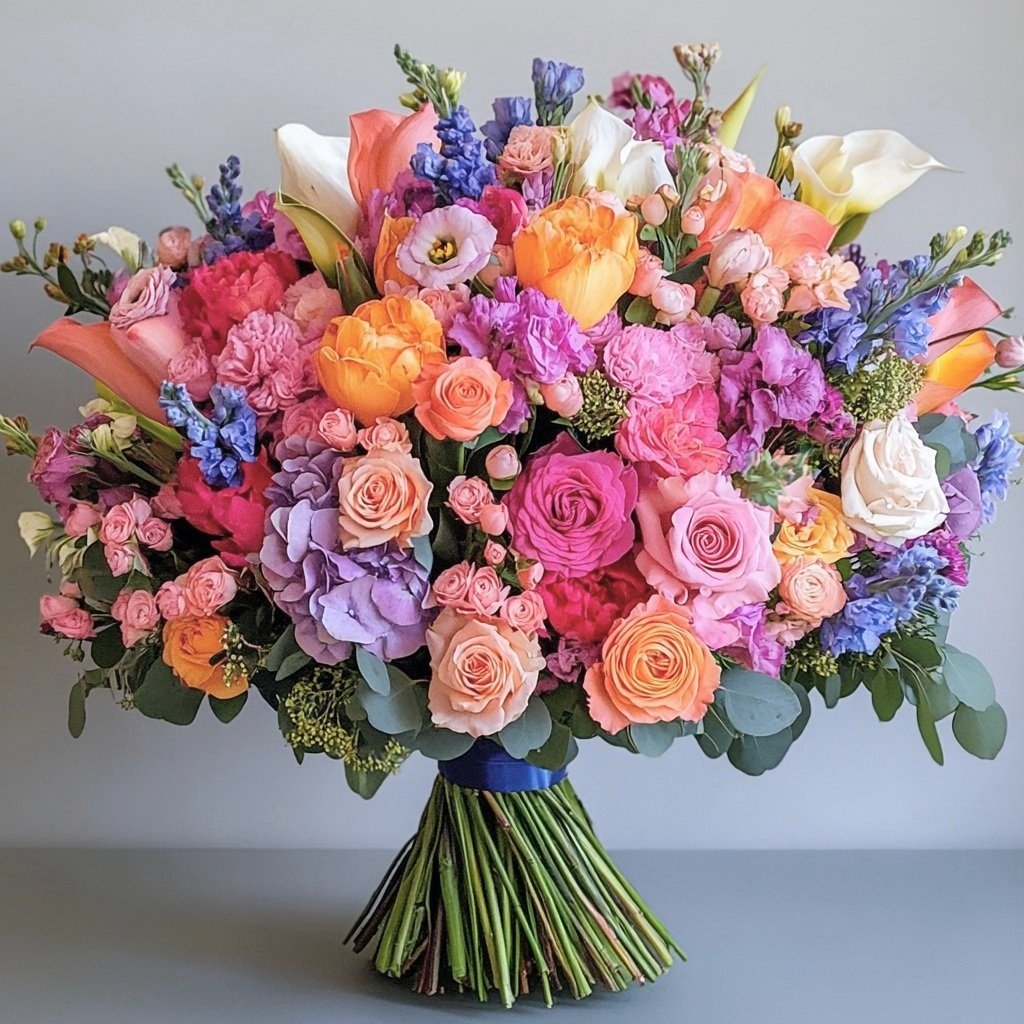
As the vibrant festival of Diwali approaches, the team at BLOOM + SONG is delighted to share our recommendations for the most suitable flower bouquet styles to celebrate this joyous occasion.
Marigold Magnificence
Marigolds, with their warm golden hues, are a quintessential symbol of Diwali. A bouquet showcasing an abundance of these cheerful blooms is a classic choice, radiating the spirit of the festival. The rich, earthy tones of marigolds pair beautifully with accents of green foliage, creating a vibrant and festive arrangement.
Radiant Rangoli
Inspired by the intricate and colourful rangoli designs that adorn homes during Diwali, this bouquet features a harmonious blend of flowers in a spectrum of vibrant shades. Think bold reds, deep oranges, sunny yellows, and rich purples, all artfully arranged to capture the celebratory essence of the festival.
Diya Delight
To honour the significance of the diya, or oil lamp, in Diwali celebrations, this bouquet incorporates the warm glow of candles nestled amidst a lush arrangement of flowers. The combination of flickering flames and fragrant blooms creates a serene and inviting ambiance, perfect for illuminating your Diwali festivities.
Lotus Luxury
The lotus, a revered symbol of purity and enlightenment, is a fitting choice for Diwali. A bouquet showcasing the elegant, open-faced blooms of the lotus, complemented by other delicate flowers, exudes a sense of tranquility and spiritual significance, making it an ideal gift for this auspicious occasion.
Whether you choose to gift one of these curated bouquet styles or create a custom arrangement, BLOOM + SONG is here to help you celebrate Diwali in style. Let the vibrant colours and captivating fragrances of our flowers elevate your festivities and bring joy to your loved ones.
A Guide to Luxury Halloween Flower Bouquet Styles

As the spookiest time of year approaches, the floral experts at BLOOM + SONG have curated a selection of enchanting Halloween-inspired bouquets to elevate your seasonal celebrations.
Gothic Glamour
Embrace the drama of All Hallows' Eve with a bouquet that exudes gothic elegance. Sumptuous burgundy roses take centre stage, accented by lush black calla lilies and trailing tendrils of moody greenery. Touches of silvered brunia and midnight-hued berries add an air of mystery.
Bewitching Blooms
For a bouquet that captures the mystical spirit of Halloween, look no further. Deep purple irises and inky black anemones are offset by the soft, romantic appeal of blush-toned garden roses. Wispy elements like dried lunaria and trailing jasmine vines lend an ethereal, otherworldly quality.
Haunting Opulence
Elevate your Halloween decor with a bouquet that radiates opulence and intrigue. Sumptuous burgundy dahlias take centre stage, surrounded by lush, velvety black calla lilies. Accents of silvered brunia, glossy ruscus, and jet-black berries create a hauntingly beautiful contrast.
Whichever style you choose, these luxurious Halloween bouquets are sure to cast a spell on all who behold them. Contact our floral concierge today to place your order for same-day delivery across Hong Kong.
A Florist's Guide to Lisianthus Varieties
Lisianthus, also known as Eustoma, is a captivating flower that has gained immense popularity among florists and flower enthusiasts alike. This delicate bloom, native to the southwestern United States and Mexico, offers a diverse range of varieties that can elevate any floral arrangement.
Rosette Lisianthus
The Rosette Lisianthus is a classic choice, featuring large, ruffled blooms that resemble roses. These flowers come in a variety of colours, including white, lavender, pink, and blue, making them a versatile option for any occasion.
Multiflora Lisianthus
The Multiflora Lisianthus, as the name suggests, boasts an abundance of smaller, delicate flowers on a single stem. This variety is perfect for creating intricate and visually stunning bouquets, adding depth and texture to any floral design.
Grandiflora Lisianthus
The Grandiflora Lisianthus is known for its large, bold blooms that command attention. These flowers are ideal for making a statement, whether in a centerpiece or as the focal point of a bouquet.
Double Lisianthus
The Double Lisianthus features an extra layer of petals, creating a lush and opulent appearance. This variety is particularly popular for formal events and weddings, where its elegant and sophisticated look is highly sought after.
Picotee Lisianthus
The Picotee Lisianthus is a unique variety that showcases a contrasting edge or "picotee" around the petals. This distinctive feature adds a touch of whimsy and elegance to any floral arrangement.
Regardless of the variety, lisianthus flowers are known for their long vase life, making them a reliable choice for both professional florists and home enthusiasts. By understanding the unique characteristics of each lisianthus variety, you can create stunning and memorable floral designs that will captivate your clients and guests.
A Florist's Guide to Dahlia Varieties
Dahlias are a beloved choice among florists for their exquisite beauty and impressive variety. Here's a Singapore florist guide to some of the most popular dahlia types you can find, perfect for crafting stunning arrangements.
1. Decorative Dahlias
These dahlias are characterised by their full, lush blooms and are available in a wide range of colours. They are ideal for creating voluminous arrangements.
‘Cafe au Lait’: Known for its large, blush-hued petals that fade to cream, this variety adds a touch of elegance.
‘Thomas Edison’: A striking deep purple dahlia with a hint of red, providing dramatic flair to bouquets.
2. Cactus Dahlias
Cactus dahlias feature spiky, pointed petals which give them a unique texture. Their open centre invites bees and butterflies, enhancing any garden or floral display.
‘Bishop of Oxford’: With its deep crimson colour and spiky petals, this variety makes a bold statement.
‘Karma Choc’: A unique dark chocolate hue that transitions to red at the tips, ideal for autumnal arrangements.
3. Pompon Dahlias
These small, rounded blooms are delightful for their compact shape and charming appearance, often used as fillers in arrangements.
‘Ball Series’: Known for their perfect round shape and variety of colours, they are excellent for adding charm.
‘Daisy’: A small flower with white and yellow petals that works beautifully in mixed bouquets.
4. Novelty Dahlias
Novelty dahlias are known for their unusual petal shapes or colour patterns and add a distinctive touch to arrangements.
‘Café au Lait Royale’: Similar to its namesake, but with a deeper pink centre, bringing a vintage feel.
‘Fleur’: A unique variety featuring petals that are both quilled and twisted, perfect for eclectic designs.
5. Single-Flower Dahlias
These varieties have a central disk and a ring of flat petals, which lend a more natural look to floral arrangements.
‘Sunny Boy’: A bright yellow variety that embodies cheerfulness and is perfect for summer bouquets.
‘Dahlia ‘Peachy’: This soft peach dahlia brings warmth and romance to floral displays.
6. Collarette Dahlias
Collarettes have a distinct collar of smaller petals around a central disk. They offer a delightful contrast in floral arrangements.
‘Collarette’: Features a contrasting colour in the collar, drawing attention with their playful appearance.
‘Sweet Nathalie’: A sweet pink with a darker collar, ideal for whimsical arrangements.
Care Tips for Dahlias
When working with dahlias, consider the following care tips to ensure their longevity:
Watering: Give them ample water, ensuring the stems are immersed to prevent wilting.
Temperature: Keep them in a cool area, away from direct sunlight to prolong freshness.
Stem Care: Trim the stems at an angle before arranging to enhance water absorption.
Dahlias are versatile and can be combined with a variety of flowers to create stunning arrangements. Whether for weddings, events, or everyday displays, these blooms elevate any floral composition with their charm and colour.
Guide to Matching Flower Bouquet Styles with Different Vases
Selecting the right vase for your floral arrangement can greatly enhance the overall aesthetic. Here’s a Singapore florist guide to help you pair various bouquet styles with suitable vase types.
1. Rustic Bouquets
Style: Wildflowers, mixed greenery, and natural, imperfect shapes.
Vase Choice: Mason jars, ceramic jugs, or wooden containers. These options complement the organic feel of rustic bouquets and provide a charming, countryside vibe.
2. Classic Elegance
Style: Traditional flowers such as roses or lilies, arranged in a formal, structured manner.
Vase Choice: Tall, slender glass vases or crystal containers. They elevate the sophistication of the arrangement, drawing attention to the flowers’ elegance.
3. Modern Minimalism
Style: Monochromatic blooms or single-variety arrangements, showcased in a clean, uncluttered style.
Vase Choice: Clear glass or matte black ceramic vases. Simple shapes and lines support the modern aesthetic without overpowering the flowers.
4. Bold and Vibrant
Style: Bright, colourful flowers like gerberas or sunflowers, often in mixed arrangements.
Vase Choice: Colourful glass vases or metallic containers. These choices amplify the vibrancy of the bouquet, allowing the colours to pop and create a striking focal point.
5. Soft and Romantic
Style: Pastel blooms such as peonies or sweet peas, arranged in a loose, flowing manner.
Vase Choice: Vintage glass vases or soft-toned ceramic options. These complement the romantic vibe and enhance the delicate nature of the flowers.
6. Succulent and Dried Arrangements
Style: Succulents, dried flowers, or a combination of both, often with a distinctive, textural quality.
Vase Choice: Terracotta pots or rustic metal containers. These materials suit the earthy aesthetic and provide a sturdy base for the arrangement.
7. Seasonal Themes
Style: Flowers chosen for their seasonal relevance, such as autumnal tones or spring blooms.
Vase Choice: Seasonal vases, such as clear glass for spring to showcase fresh blooms or darker, textured vases for autumn arrangements. Matching the vase to the season enhances the overall theme.
Tips for Pairing Bouquets and Vases
Scale: Consider the size of the vase in relation to the bouquet. A large bouquet needs a sturdy, larger vase, while smaller arrangements can be showcased in petite vessels.
Material: Balance the texture of the bouquet with the vase. A sleek bouquet pairs well with smooth glass, while a textured arrangement benefits from a rustic vase.
Colour Coordination: Ensure the vase either complements or contrasts with the bouquet without overshadowing it. Neutral tones often work well with vibrant flowers, while bold vases can enhance simpler arrangements.
By thoughtfully considering the interplay between bouquet styles and vase types, you can create stunning floral displays that captivate and elevate any space.
How Florists in Singapore Can Enhance Your Dinner Event
When planning a dinner event, the right floral arrangements can significantly elevate the atmosphere and overall experience. Florists in Singapore offer a variety of services and expertise that can contribute to a memorable occasion.
1. Initial Consultation
Engage with a florist to discuss your vision for the event. Consider the following:
Theme: Define the theme of your dinner. Is it formal, casual, or perhaps festive? This will guide the floral choices.
Budget: Clarify your budget early on to help the florist recommend suitable options.
Venue: Describe the venue’s size and layout, as well as any restrictions regarding setup.
2. Floral Design Selection
Florists can provide a range of options tailored to your event’s theme:
Centrepieces: Create impactful centrepieces that complement the dining arrangement. Options can include low arrangements for a casual setting or high arrangements for formality.
Bouquets and Arrangements: Consider floral accents near entryways, buffets, or lounge areas to create a cohesive aesthetic.
Seasonal Flowers: Opt for seasonal blooms to not only reduce costs but also ensure freshness and suitability.
3. Coordinating Colour Schemes
Choose a colour palette that aligns with your event’s theme:
Complementary Colours: Florists can help select flowers that match or contrast with the table settings and decorations.
Mood Setting: Different colours evoke different emotions; for instance, warm tones can create a welcoming atmosphere, while cool tones may promote calm.
4. Incorporating Unique Elements
Consider incorporating unique floral elements to enhance the dinner experience:
Edible Flowers: Integrate edible flowers into the menu for a creative twist.
Personal Touches: Use flowers that have specific meanings or resonate with the guest of honour.
Floral Installations: Large floral installations can serve as stunning backdrops for guests, especially during photo opportunities.
5. Setting Up the Arrangements
Florists often provide setup services on the day of the event:
Timely Delivery: Ensure that the flowers are delivered on the day of the event for maximum freshness.
Arrangement Placement: Florists can assist with the placement of floral arrangements to ensure they are effective and aesthetically pleasing.
On-Site Adjustments: Having a florist on hand can be useful for making any last-minute adjustments to arrangements.
6. Post-Event Considerations
Discuss options for the management of flowers after the event:
Recycling Arrangements: Florists can suggest ways to repurpose or donate leftover flowers to ensure they are not wasted.
Takeaway Bouquets: Consider creating small takeaway bouquets for guests as a delightful reminder of the event.
Singapore florist recommendations
Collaborating with a florist in Singapore offers numerous advantages when planning a dinner event. From initial consultations to the final touches, their expertise can provide not only beauty but also enhance the overall dining experience for you and your guests. By leveraging their services, you can ensure that your event is both aesthetically pleasing and memorable.
Guide to Visiting Singapore Botanical Gardens
Overview
The Singapore Botanic Gardens, a UNESCO World Heritage Site, spans over 82 hectares and is home to an extensive collection of tropical flora. It is a sanctuary for plant lovers and a perfect retreat for anyone seeking a moment of tranquillity amidst the bustling city.
Getting There
Transport Options
MRT: Alight at Botanic Gardens MRT Station (Circle Line) for easy access to the gardens.
Buses: Several bus services stop near the entrance.
Walking: The gardens are within walking distance from hotels and other attractions in the Orchard Road area.
Admission
The Singapore Botanic Gardens is free to enter, except for the National Orchid Garden, which charges a nominal fee for admission. Be sure to check the latest prices on their official website.
Opening Hours
The gardens open daily from 5 am to 12 am, allowing ample time for exploration. The National Orchid Garden operates between 8.30 am and 7 pm, with last admission at 6 pm.
Key Attractions
1. National Orchid Garden
Home to over 1,000 species and 2,000 hybrids of orchids, this section showcases Singapore's national flower, the Vanda Miss Joaquim. The vibrant blooms make it a must-visit for any plant enthusiast.
2. Rainforest
Explore the lush tropical rainforest that boasts a variety of indigenous plants and wildlife. Walk along the winding trails and immerse yourself in the rich biodiversity of this serene enclave.
3. Ginger Garden
This area features an impressive collection of ginger species and beautiful water features. Don't miss the delightful café situated within the garden, perfect for a relaxing break.
4. Symphony Lake
A peaceful spot for unwinding, Symphony Lake hosts concerts and performances. Bring a picnic blanket and enjoy the scenic views of the surrounding gardens.
5. Heritage Museum
Located near the entrance, this museum offers insights into the history and development of the Singapore Botanic Gardens and showcases the significance of botanical research.
Tips for Visiting
Best Time to Visit: Early morning or late afternoon to avoid the heat.
Bring Water: Stay hydrated, especially during the warmer months.
Footwear: Wear comfortable shoes for walking along the expansive paths.
Photography: Capture beautiful images, but be respectful of the plants and other visitors.
Check for Events: The gardens often host workshops, guided tours, and events. Look up the schedule in advance.
Singapore florist guide
A visit to the Singapore Botanic Gardens offers a unique blend of nature, relaxation, and culture. With its diverse range of plants and serene landscapes, it provides a perfect escape from the city’s hustle and bustle.
Guide to Distilling Essential Oils from Flower Petals

Distilling essential oils from flower petals is a rewarding process that captures the fragrant essence of flowers. This Singapore florist guide outlines the steps involved to create your own essential oils effectively.
Equipment Needed
Distillation Apparatus: A simple steam distillation setup including:
Distillation flask
Condenser
Receiving flask
Heat Source: A heat-resistant stove or heating plate.
Water: Distilled water is preferable.
Flowers: Fresh or slightly wilted flower petals.
Ice: For the condenser.
Measuring Cups: For measuring water and flowers.
Scale: To weigh the flowers if necessary.
Storage Bottles: Dark glass bottles for storing the finished oil.
Step-by-Step Process
1. Preparing the Flowers
Select Fresh Flowers: Choose aromatic flowers such as roses, lavender, or jasmine. Ensure they are pesticide-free.
Harvest Petals: Gently pluck the petals from the flowers. Fresh petals yield more oil than dried ones.
2. Set Up the Distillation Apparatus
Assemble Your Equipment: Connect the distillation flask to the condenser. Ensure all joints are secure to avoid steam loss.
Add Water: Fill the distillation flask with enough distilled water to cover the flower petals without overflowing.
3. Combine Water and Petals
Add Flower Petals: Place the flower petals into the distilled water in the flask. Make sure they are submerged.
Avoid Overpacking: Do not pack the petals tightly; allow steam to circulate freely for efficient extraction.
4. Begin Distillation
Apply Heat: Start heating the distillation flask gradually. The water will begin to turn into steam, carrying the essential oil from the petals.
Monitor Temperature: Maintain a steady simmer—avoid boiling vigorously, as this could damage the flowers and alter the oil.
5. Collect the Distillate
Condensation: The steam will rise, travel through the condenser, and cool down to form liquid. This liquid will contain both essential oil and hydrosol (floral water).
Catch the Distillate: Direct the output into a receiving flask. You will notice two layers forming—the essential oil (top layer) and hydrosol (bottom layer).
6. Separate and Store the Oil
Separation: Once distillation is complete, carefully pour off the top layer (essential oil), leaving the hydrosol behind.
Storage: Transfer the essential oil into dark glass bottles to protect it from light. Seal tightly and label with the date and type of oil.
7. Clean Up
Disassemble Equipment: After the distillation is complete and everything has cooled down, carefully dismantle the distillation apparatus.
Wash Thoroughly: Clean all equipment with warm soapy water to remove any residue.
Tips for Success
Use the highest quality flowers to ensure the best fragrance and oil yield.
Experiment with different flowers and combinations for unique scents.
Distillation can take a few hours; patience is key.
Properly label your oils with creation dates as essential oils have a shelf life.
By following these steps, you can successfully distil essential oils from flower petals, bringing the beauty and scent of nature into your home or products.
Guide to Flower Bouquet Styles for a Proposal

Choosing the right floral arrangement for a proposal can set the perfect mood and enhance the romantic atmosphere. Here are several bouquet styles to consider for this significant moment:
1. Classic Red Roses
Description: The ultimate symbol of love, red roses are timeless and elegant.
Style Tip: Opt for a single large bouquet of long-stemmed red roses, possibly accompanied by delicate greenery or ivy for added texture.
2. Whimsical Wildflowers
Description: A bouquet featuring an array of colourful wildflowers evokes a sense of spontaneity and joy.
Style Tip: Choose a varied mix of flowers such as daisies, poppies, and cornflowers, arranged loosely in a rustic-inspired wrap.
3. Elegant Peonies
Description: Known for their lush petals and romantic appearance, peonies create an opulent yet soft look.
Style Tip: Use a compact bouquet with soft pink or white peonies and complement with foliage like eucalyptus for a fragrant touch.
4. Charming Mixed Pastels
Description: A medley of pastel flowers provides a sweet, charming presentation.
Style Tip: Combine flowers such as tulips, hyacinths, and sweet peas, using a light-coloured or clear vase for a delicate aesthetic.
5. Modern Monochrome
Description: A contemporary approach, using a single colour palette can create a striking effect.
Style Tip: Choose varying shades of one colour—like deep purple or soft blue—combining flowers such as orchids, lilies, and hydrangeas.
6. Romantic Garden Roses
Description: Characterised by their soft blooms and fragrance, garden roses bring a touch of romance.
Style Tip: A loose arrangement with various shades of garden roses, framed with herbs like rosemary, can add a personal touch.
7. Tropical Paradise
Description: For a unique flair, tropical flowers can be vibrant and attractively exotic.
Style Tip: Incorporate flowers like birds of paradise or anthuriums alongside lush greenery for an eye-catching arrangement.
8. Minimalist Greenery
Description: A stylish bouquet with a focus on lush foliage rather than flowers can convey sophistication.
Style Tip: Utilise a selection of interesting leaves, branches, and succulents arranged in an unfussy manner for a clean, modern look.
9. Seasonal Blooms
Description: Using flowers that are in season can lend authenticity and beauty to your proposal bouquet.
Style Tip: Tailor the arrangement based on local seasonal flowers, ensuring they are freshly picked for maximum impact.
10. Personalised Touch
Description: Incorporating flowers that have personal significance can make the proposal even more special.
Style Tip: Select a combination of flowers that hold meaning for both you and your partner, perhaps floral representations of first dates, anniversaries, or shared memories.
Singapore florist guide
When selecting a bouquet for your proposal, consider not only aesthetics but also the emotions and messages you wish to convey. Each style presents an opportunity to enrich the moment, making it unforgettable for both parties involved.
A Guide to Writing a Meaningful Message Card for Your Flowers

Crafting the perfect message card to accompany your flowers can enhance the sentiment of your gesture. Here are some steps to help you create a thoughtful and memorable note:
1. Consider the Occasion
Identify the reason for sending flowers. Whether it’s a birthday, anniversary, congratulations, sympathy, or simply a gesture of love, the occasion will guide the tone and content of your message.
2. Keep It Personal
Personalisation adds a special touch. Include the recipient’s name and consider referencing a fond memory or shared experience that connects you both. This makes the message feel sincere and heartfelt.
3. Express Your Emotions
Articulate your feelings honestly. Whether you’re expressing love, gratitude, sympathy, or encouragement, be genuine in your words. Use language that reflects your true emotions; this resonates more deeply with the recipient.
4. Keep It Brief
Due to space limitations on card formats, aim for brevity while conveying your message. A few well-chosen sentences can be more impactful than a lengthy note.
5. Use Appropriate Tone
Match the tone of your message to the relationship you share with the recipient and the situation. A light-hearted note may be suitable for a friend, while a more somber tone is fitting for a condolence message.
6. Conclude With a Touch
End your message with a warm closing. Phrases like “With all my love,” “Thinking of you,” or “Warmest wishes” can add a comforting finish to your note.
7. Sign Your Name
Finish the card with your name or a pet name if it’s someone close to you. Signing your name makes it more personal and reinforces your connection.
Example Messages
Birthday: "Happy Birthday, [Name]! May this year bring you all the joy and love you deserve. With all my love, [Your Name]."
Sympathy: "Thinking of you during this difficult time. May these flowers bring a little light to your day. With deepest sympathy, [Your Name]."
Congratulations: "Congratulations on your remarkable achievement, [Name]! I’m so proud of you. Warmest wishes, [Your Name]."
By following these guidelines, your message card will complement your flowers beautifully, making your gesture even more impactful and meaningful.
A Guide to How Gifting Flowers Can Uplift Mental Wellbeing

Flowers have a unique ability to evoke emotions and enhance mental wellbeing. Their vibrant colours, gentle fragrances, and natural beauty can significantly impact mood and emotional health. This SG florist guide explores the various ways gifting flowers can uplift mental wellbeing and provides suggestions for incorporating them into your gifting practices.
1. The Science Behind Flowers and Mood Enhancement
Research shows that flowers can trigger positive emotions and reduce feelings of stress and anxiety. Exposure to flowers and greenery can lead to:
Increased feelings of happiness
Reduced depressive symptoms
Enhanced feelings of connection and support
The sight of flowers can stimulate the release of endorphins, leading to a natural boost in mood.
2. Symbolism and Meaning
Different flowers carry distinct meanings, allowing you to convey specific emotions and sentiments through your gift. For instance:
Sunflowers: Represent happiness and adoration, perfect for brightening someone's day.
Roses: Symbolise love and affection, ideal for deepening personal connections.
Lilies: Often associated with peace and tranquillity, suitable for providing comfort during difficult times.
Selecting flowers with meaningful symbolism can add depth to your gift.
3. Creating Connection
Gifting flowers serves as a gesture of thoughtfulness and care. It fosters a sense of connection between the giver and the receiver, reminding them that they are valued. This connection can be particularly beneficial in:
Strengthening relationships
Offering support during tough times
Celebrating milestones and achievements
4. Encouraging Mindfulness
Receiving flowers encourages mindfulness, prompting individuals to pause and appreciate beauty in their surroundings. This practice of mindfulness can lead to:
Enhanced self-awareness
Reduced stress levels
Increased overall wellbeing
Encourage the recipient to take a moment to engage with the flowers, observing their details and fragrances.
5. Boosting Creativity
Plants and flowers are often linked to increased creativity. The presence of flowers in an environment can stimulate creative thinking and inspire new ideas. Gift flowers to someone engaged in artistic pursuits or facing creative blocks to help reignite their imagination.
6. Practical Tips for Gifting Flowers
Consider the Recipient: Tailor your flower choice to the recipient’s preferences and the message you wish to convey.
Quality Matters: Opt for luxurious flower bouquets that showcase freshness and vibrancy, leaving a lasting impression.
Presentation: A beautifully wrapped bouquet enhances the experience of receiving flowers, adding an element of surprise and delight.
Singapore florist recommendations
Gifting flowers is more than a simple gesture; it is an effective way to uplift mental wellbeing and foster connections. By choosing thoughtful arrangements and considering the unique meanings of flowers, you can create lasting impacts on the emotional health and positivity of your loved ones. Embrace the beauty of flowers and their ability to bring joy and support through each bouquet you gift.
A Guide to Flowers That Make a Great Tea Ingredient
Tea is not only a soothing beverage but can also be enhanced with the natural flavours and aromas of flowers. Below is a curated selection of edible flowers that make delightful tea ingredients, alongside their unique characteristics and health benefits.
1. Chamomile
Description: This soothing flower with white petals and a yellow centre is known for its calming properties.
Benefits: Chamomile tea is celebrated for its ability to promote relaxation, aid sleep, and reduce anxiety. It may also help in digestion.
2. Hibiscus
Description: Featuring vibrant red petals, hibiscus tea has a tart flavour reminiscent of cranberries.
Benefits: Rich in antioxidants, hibiscus may support heart health and help lower blood pressure. Its refreshing taste is delightful hot or iced.
3. Lavender
Description: The sweet, floral aroma of lavender makes it a popular choice for tea blends.
Benefits: Known for its calming effects, lavender can help reduce stress and promote restful sleep. It pairs well with chamomile for a soothing blend.
4. Rose
Description: Rose petals are often used for their fragrant essence and delicate flavour.
Benefits: Rose tea is rich in vitamins and may improve mood, reduce stress, and support skin health due to its antioxidant properties.
5. Jasmine
Description: Jasmine flowers are often combined with green tea, imparting a captivating scent and flavour.
Benefits: This blend is renowned for its ability to relieve stress and balance mood while offering a gentle caffeine boost from the green tea.
6. Elderflower
Description: Delicate and fragrant, elderflower produces a light, sweet flavour in tea.
Benefits: Elderflower tea is known for its anti-inflammatory properties and is often used to support immune health during cold and flu season.
7. Calendula (Marigold)
Description: Bright orange and yellow petals, calendula adds a pop of colour and a slightly peppery flavour to teas.
Benefits: Known for its anti-inflammatory and antioxidant properties, calendula can help promote healthy skin and enhance overall well-being.
8. Linden (Lime Blossom)
Description: Linden flowers create a delicate, sweet tea with a pleasant floral aroma.
Benefits: This tea is often used to alleviate stress, aid digestion, and promote a restful sleep.
9. Chrysanthemum
Description: Commonly used in Asian tea culture, chrysanthemum flowers provide a mild, sweet taste.
Benefits: Often consumed for its cooling effects, chrysanthemum tea may help reduce fevers and improve eye health.
10. Mallow
Description: Mallow flowers have a slightly sweet flavour that can bring depth to your tea.
Benefits: Known for its soothing properties, mallow tea is often used to ease throat irritations and support respiratory health.
Tips for Brewing Floral Tea
Quality: Use fresh or high-quality dried flowers. Avoid flowers that have been treated with pesticides or chemicals.
Proportions: Start with about one tablespoon of dried flowers per cup of hot water, adjusting based on personal taste.
Brewing Time: Steep your flowers for about 5-10 minutes, depending on the variety. Covering the tea while it steeps can help retain the aroma.
Combining Flavours: Feel free to mix different flowers to create unique blends. Pairing floral teas with fruits, herbs, or spices can enhance the overall flavour profile.
Experimenting with floral teas can lead to delightful discoveries, enriching both your palate and well-being.
A Guide to Foliage Varieties for Flower Bouquets
Foliage plays a crucial role in floral arrangements, adding texture, depth, and a natural backdrop to flowers. Here are some popular varieties of foliage that enhance the beauty of a bouquet:
1. Eucalyptus
Eucalyptus is beloved for its aromatic qualities and delicate, silvery leaves. It comes in several types, such as silver dollar and spiral, each offering a distinct shape and texture. Eucalyptus pairs well with almost any flower, making it a versatile choice.
2. Ruscus
Ruscus has broad, flat leaves that create a lush and full appearance in a bouquet. It is often used to fill in gaps and give structure to arrangements. The glossy texture and rich green colour can complement both vibrant and subtle floral hues.
3. Ferns
Ferns add a whimsical and airy feel to floral arrangements. Varieties like the maidenhair fern or asparagus fern provide feathery foliage that softens the overall look of the bouquet. They work particularly well in rustic or bohemian designs.
4. Oak Leaves
Oak leaves offer a robust and classic option with their bold shape and rich green or autumnal colours. They add a unique touch, especially in seasonal arrangements, and can evoke a sense of warmth and age.
5. Asparagus Fern
Asparagus fern features fine, feathery fronds that provide an excellent filler element in bouquets. Its light and delicate nature allows it to enhance the bouquet without overpowering the flowers, making it ideal for soft, romantic arrangements.
6. Olive Branches
Olive branches signify peace and prosperity, making them a popular choice in bouquets for weddings or special occasions. The grey-green leaves contribute a rustic charm and pair beautifully with white or pastel blooms.
7. Privet Berries
While primarily used for their berries, privet also offers glossy green leaves that enrich any bouquet. The inclusion of berries adds a pop of colour and interest, particularly during the autumn and winter months.
8. Laurel Leaves
Laurel leaves are elegant and aromatic, often associated with honour and victory. Their deep green foliage brings a sophisticated touch to bouquets and can serve as a striking contrast to brighter flowers.
9. Boxwood
Boxwood is ideal for creating a structured and formal look. Its dense foliage works well in traditional arrangements and as a base for more intricate designs. The small, rich green leaves add elegance and longevity.
10. Cinnamon Fern
Cinnamon fern has unique, curled fronds that bring a distinctive textural element to floral arrangements. Its unique shape and earthy colour can enhance the depth of any bouquet, especially in more organic designs.
Tips for Using Foliage in Bouquets
Layering: Start with larger foliage at the base and build upwards with smaller varieties to create a sense of depth.
Balance: Consider the proportion of foliage to flowers; too much foliage can overshadow the blooms.
Contrasting Textures: Mix different leaf textures to add interest; for example, combine the softness of ferns with the sturdiness of ruscus.
Incorporating the right foliage into your flower bouquet not only enhances its aesthetic appeal but also provides a harmonious balance that highlights the beauty of the blooms. Choose wisely to create the perfect arrangement for any occasion.
Guide to Flower Varieties for Bouquets with Design Breathing Space
Creating a visually appealing bouquet involves not only an array of vibrant flowers but also the careful selection of varieties that provide design breathing space. Here are some flower types and foliage that help achieve that serene balance.
1. Fillers and Foliage
Eucalyptus
Description: With its soft, rounded leaves and muted grey-green tones, eucalyptus adds a fragrant element without overwhelming the arrangement.
Use: Utilised as a backdrop to highlight focal flowers, it allows for plenty of negative space.
Baby's Breath (Gypsophila)
Description: Delicate clusters of tiny white flowers, Baby’s Breath is perfect for adding lightness and airiness to a bouquet.
Use: Employ as a filler that maintains an effortless look while complementing bolder blooms.
Ruscus
Description: This hardy greenery has a structured form and deep green hue that can frame a bouquet beautifully.
Use: Ideal for creating outlines that enhance breathing space between the focal flowers.
2. Flowers with Minimalist Designs
Cymbidium Orchids
Description: With their elegant, elongated petals, cymbidium orchids convey sophistication without cluttering a bouquet.
Use: A few stems can serve as striking focal points while leaving plenty of empty spaces around them.
Anthuriums
Description: Their glossy, heart-shaped flowers add an exotic touch while possessing a sleek profile.
Use: Use them sparingly to maintain an open feel, accentuating their unique shape.
3. Textured Elements
Succulents
Description: These hardy plants come in various shapes and shades but maintain a compact size, offering an intriguing texture.
Use: Add alongside floral elements, creating depth without crowding, and lend a modern touch to bouquets.
Thistle (Eryngium)
Description: With its spiky form and steely blue colour, thistle introduces an unexpected yet complementary texture.
Use: Using a few stems can break the softness of other flowers and allow for visual space in arrangements.
4. Large Statement Blooms
Peonies
Description: Known for their lush, full heads, peonies make a statement but can be balanced out with thoughtful spacing.
Use: Position these blooms strategically to draw the eye while allowing for negative space around them.
Protea
Description: This bold, structural flower adds a dramatic flair and stands out even amidst open designs.
Use: Include protea as a focal point, ensuring surrounding areas are kept less populated with flowers.
Singapore florist guidance
When designing bouquets that evoke a sense of breathing space, the key is to select a combination of varied textures, sizes, and colours. The inclusion of fillers, foliage, and strategically chosen focal blossoms allows for a harmonious balance. By embracing these principles, one can create luxurious arrangements that are both captivating and tranquil.
Guide to Flower Varieties that Add Texture to a Flower Bouquet

When creating a visually appealing flower bouquet, texture plays a crucial role in enhancing depth and interest. Here are some flower varieties that are renowned for their unique textures, making them ideal additions to any bouquet.
1. Succulents
Succulents provide an unusual and modern touch to bouquets. Their thick, fleshy leaves add a sculptural quality, offering contrasts to more delicate blooms.
2. Thistles
Known for their prickly texture, thistles introduce an element of ruggedness. Their rich purple and blue hues can add a splash of colour while their spiky form creates visual intrigue.
3. Ruscus
With glossy, narrow leaves, ruscus is often used as a filler. Its sleek texture complements softer flowers and enhances the overall structure of the arrangement.
4. Bamboo
Incorporating bamboo stems into your bouquet can offer a strong linear texture. They are excellent for creating height and dimension, adding a contemporary edge.
5. Eucalyptus
Eucalyptus, with its silvery-grey leaves, brings a soft, feathery texture. The gentle movement of its leaves adds a sense of fluidity and elegance to arrangements.
6. Feather Grass
This airy grass can bring a playful element to bouquets. Its wispy nature creates movement and adds a touch of lightness, perfect for romantic arrangements.
7. Peonies
Peonies are known not only for their lush, full blooms but also for their soft and ruffled petals. Their luxurious texture provides richness and depth, ideal for opulent bouquets.
8. Air Plants
These unique plants have a distinct, spiky texture and can be added to bouquets for an unexpected twist. They require no soil, making them an easy addition with a standout look.
9. Cacti
For a bold statement, consider adding small cacti. Their unique shape and needle-like spines create a stunning contrast to softer flowers, making the arrangement more visually dynamic.
10. Hypericum Berries
These small berries introduce a delightful pop of colour and a rounded texture. They contrast beautifully with larger blooms, providing both visual and tactile interest.
11. Hydrangeas
Hydrangeas have a dense cluster of small florets, creating a unique, textured form. Their voluminous heads add fullness and serve as a wonderful base for other flowers.
12. Tulips
The smooth, sleek petals of tulips offer a glossy contrast to rougher textures. Their elegant curves can create a sense of softness in the bouquet.
Singapore florist tips
Incorporating a variety of textures enhances the visual appeal and tactile experience of flower bouquets. By thoughtfully selecting different flower types, you can create arrangements that not only look beautiful but also tell a story through their contrast and composition.
Guide to Flower Types That Add Structure to Your Bouquet
When crafting the perfect bouquet, the structure is key to achieving a balanced and visually appealing arrangement. Certain flowers are particularly well-suited for this purpose due to their shapes, sizes, and stem qualities. Here’s a SG florist guide to flower types that can provide the necessary structure to elevate your floral designs.
1. Roses
Roses are versatile and come in various sizes and colours. Their sturdy stems and layered petals offer a classic structure that can anchor any bouquet, whether you choose large, open blooms or tighter, closed buds.
2. Lilies
With their large, prominent flowers and tall, sturdy stems, lilies add height and drama to arrangements. Their unique shapes create visual interest and can serve as focal points while complementing other flowers.
3. Delphiniums
Tall and elegant, delphiniums provide vertical structure and can add a touch of whimsy to bouquets. Their spikes of flowers create height, making them excellent for adding layers and dimension.
4. Sunflowers
The bold, round heads of sunflowers bring a cheerful touch and substantial presence to a bouquet. Their thickness and sturdy stems make them ideal for adding weight and grounding an arrangement.
5. Orchids
With their exotic shapes and delicate elegance, orchids make for stunning structural features. Their unique growth patterns and varied textures can enhance the complexity of a bouquet without overwhelming it.
6. Snapdragons
Snapdragons are characterised by their tall, spiky flowers that provide both height and vertical lines. Their interesting form adds dynamic texture to arrangements and works well with both contemporary and traditional styles.
7. Gladiolus
These tall, striking flowers offer a dramatic vertical element, making them perfect for creating height within a bouquet. Their linear shape adds structure while providing a range of colours for visual interest.
8. Hydrangeas
Hydrangeas, though soft and fluffy, can create a solid base in floral arrangements due to their sizeable blooms. They lend volume and structure that can balance lighter flowers and foliage.
9. Foliage
While not a flower, foliage such as eucalyptus, ferns, and ruscus play a critical role in bouquet structure. They provide the necessary green element that can frame flowers, reinforcing the overall design.
10. Thistles
With their sharp, spiky forms, thistles inject an element of edge and intrigue into bouquets. Their unique shapes create contrast and can guide the eye through the arrangement.
Singapore florist tips
Incorporating structural flowers into your bouquet not only enhances its aesthetic appeal but also ensures longevity and balance. By combining these flower types thoughtfully, you can create a stunning floral arrangement that stands out for any occasion. When choosing your blooms, consider their shapes, sizes, and textures to achieve a harmonious and structured design.
Flower Varieties that Add Drama to Your Bouquet
Creating a striking flower bouquet requires the careful selection of varieties that not only complement each other but also bring an element of drama. Here are some standout choices that can elevate your arrangements with their bold colours, unique shapes, and exquisite textures.
1. Calla Lilies
With their sleek, elegant shape and vibrant colour options, calla lilies are ideal for adding sophistication and drama to any bouquet. Their trumpet-like silhouette creates a beautiful focal point that can draw attention and provide contrast against softer blooms.
2. Peonies
Peonies are a favourite for their lush, full blooms and intoxicating fragrance. Available in rich hues like deep burgundy and vivid coral, they can make a stunning statement. Their rounded petals add a romantic touch, making them perfect for dramatic arrangements.
3. King Protea
As one of the largest bloom varieties, the king protea captures attention with its striking appearance and unique shape. Its spiky petals and bold colours, ranging from pink to white, bring an exotic touch that can elevate any floral composition.
4. Cymbidium Orchids
These orchids are known for their stunning, elongated petals and come in various shades. Their sophisticated appearance adds a touch of elegance and drama. Cymbidium orchids are perfect for creating lush, layered arrangements that exude luxury.
5. Black Calla Lilies
For an even bolder choice, consider black calla lilies. Their dark, sultry colour adds a dramatic and mysterious quality to your bouquet. These striking flowers can create an impactful contrast when paired with lighter blooms.
6. Dahlia
Dahlias come in an array of shapes and sizes, with their intricate petal structures adding depth to any arrangement. Their vibrant colours and unique forms allow for creativity in composition, making them a powerful addition to dramatic bouquets.
7. Fritillaria
With their unique bell-shaped flowers and unusual colour patterns, fritillaria can add an artistic flair to your arrangements. Their slightly drooping blossoms create visual interest and convey an air of elegance, making them a sophisticated choice.
8. Snapdragons
Snapdragons are tall and stately, perfect for adding height and structure to your bouquet. Their bold vertical presence and vibrant colour palette make them an excellent option for creating drama and depth.
9. Roses
While traditional, certain varieties of roses can possess a dramatic flair. Opt for deep-red or dark-purple roses to infuse your bouquet with a sense of romance and intensity. Their classic beauty ensures they remain a timeless choice.
10. Vanda Orchids
Known for their vibrant colours and intricate patterns, vanda orchids can serve as spectacular focal points in a bouquet. Their exotic look and robust structure add both elegance and drama, making them ideal for luxury arrangements.
Top florist tips
Incorporating these dramatic flower varieties into your next bouquet will not only enhance its visual appeal but also create a memorable statement. Whether you're preparing for a special occasion or simply want to brighten someone's day, these blooms are sure to capture attention and admiration.
Driving Innovation in Floral Design: A Guide for Florists
Innovation in floral design is essential for florists to remain competitive and meet the evolving preferences of customers. Here are several strategies to foster creativity and inspire fresh approaches in your floral arrangements.
1. Embrace Unique Materials
Explore beyond traditional flowers and foliage. Incorporate unconventional materials such as:
Dried or preserved flowers
Foliage from indoor plants
Textiles, such as ribbons or fabric accents
Natural elements like branches, stones, or moss
Using diverse materials can elevate the aesthetic of your designs and allow for seasonal or themed innovations.
2. Stay Updated on Trends
Follow the latest trends in interior design, fashion, and events. Attend industry workshops, trade shows, and floral exhibitions to observe emerging styles and techniques. Subscribing to design magazines and trend forecasting reports can also provide valuable insights into what is gaining popularity.
3. Experiment with Colour Palettes
Challenge yourself to work outside your usual colour combinations. Utilise colour theory to create striking contrasts or harmonious blends. Incorporating unexpected colour schemes can create eye-catching arrangements that stand out in the market.
4. Leverage Technology
Use technology to enhance your design process. Consider:
3D design software to visualise arrangements
Social media platforms to share your work and engage with a wider audience
E-commerce platforms to offer customisation options for customers
Online workshops to share your expertise and reach new clients
These tools can streamline the creative process and open up new avenues for customer interaction.
5. Collaborate with Other Artists
Partner with local artists, designers, or photographers to create unique floral installations or arrangements. Collaboration can introduce new perspectives and techniques, resulting in exclusive designs that appeal to a broader audience.
6. Focus on Sustainability
Sustainable practices are becoming increasingly important to consumers. Implement eco-friendly methods such as:
Sourcing locally-grown flowers
Using biodegradable or recyclable packaging
Minimising waste during the design process
By prioritising sustainability, you can attract eco-conscious clients and create innovative designs that reflect current values.
7. Offer Interactive Experiences
Engage your customers by offering workshops or DIY kits that encourage them to participate in the floral design process. This not only creates a memorable experience but also fosters a deeper connection with your brand.
8. Keep Customer Feedback in Mind
Listen to your customers' preferences and feedback. Regularly ask for their thoughts on designs, materials, and patterns. Utilising surveys or social media polls can help you stay aligned with their desires, driving innovation that resonates with your clientele.
9. Create Signature Styles
Develop unique design signatures that reflect your brand identity. This could be a specific colour palette, style of arrangement, or innovative use of space. Having a signature style sets your work apart and establishes a recognisable presence within the market.
10. Continuously Learn and Adapt
Make learning a lifelong commitment. Stay open to new ideas and techniques, and be willing to adapt your style as needed. Attend training sessions, online courses, or join professional organisations to enhance your skills and knowledge in floral design.
By implementing these strategies, florists can foster a culture of innovation that not only enhances their floral arrangements but also solidifies their standing in the competitive floral industry.